Why Are Flange Valves Used in Piping Systems?
In a piping system, a valve must do more than open and close. It must connect securely, withstand operating pressure, and remain accessible for inspection or replacement. Flange valves meet these needs through bolted ends that join matching pipe flanges, with a gasket between the faces. Picture a maintenance crew loosening bolts around a valve body to remove it without cutting the pipe. That practical access is a major reason flange valves are common in water, HVAC, power, and process applications.
The connection is familiar to engineers, but it is not automatically the right choice. Flanges add weight, require space for bolts, and introduce gasket joints that need correct installation. Pressure class, temperature, fluid compatibility, flange dimensions, and gasket selection all matter. A mismatch can cause leaks or make maintenance harder. Small details count.
Philip L. Skousen, author of The Valve Handbook, is a useful reference in valve engineering. A practical reminder, phrased here as a paraphrase rather than a direct quotation, is: “Choose a valve connection for the service conditions, not simply for convenience.” That distinction helps explain why engineers specify flange valves when dependable, removable connections suit the system. It also encourages a closer look at trade-offs, including installation effort and available space. Even a sound choice deserves review: actual site conditions may not match the tidy assumptions on a drawing. The sections ahead examine where flange valves work well, what their design offers, and which selection details deserve careful attention.
What Flange Valves Are and How They Connect to Pipes
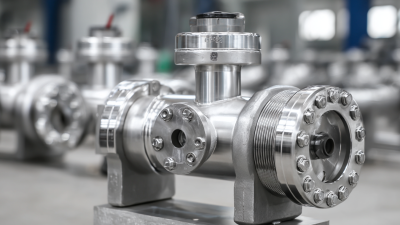
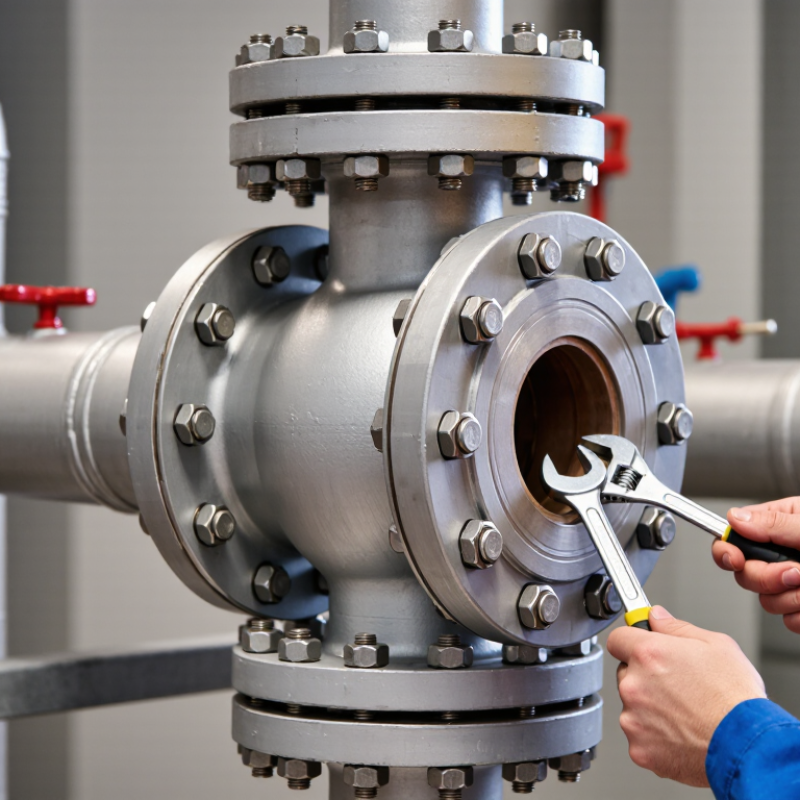
A flange valve is a valve fitted with flat, projecting rims at its ends. These rims connect to matching flanges on the pipe, creating a joint that can be bolted together and later taken apart. The valve controls or stops flow; the flanges describe how it joins the piping. That distinction is useful when selecting equipment.
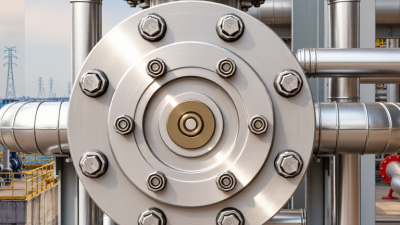
A gasket sits between the mating faces to help seal the connection. Bolts pass through aligned holes and are tightened evenly, often in a crosswise pattern, according to the valve and gasket instructions. Fit matters. The pipe faces should meet squarely, without using the bolts to drag a misaligned pipe into place. That shortcut can strain the joint. In real installations, alignment is not always perfect, and checking it takes patience. A slight gap or uneven tightening may lead to leakage under pressure.
Flanged connections are common where inspection, cleaning, or valve replacement may be needed. They can be practical on larger pipes, though the joint adds weight and requires room for bolts and tools. Check that the valve’s pressure and temperature ratings suit the line, and use compatible flange dimensions and gasket materials. Details vary between systems, so the equipment documentation should guide the final fit.
How Flanged Joints Support Installation and Maintenance
Flanged joints make valve installation more manageable when a line needs inspection, cleaning, or replacement. A technician can loosen the bolts, separate the faces, and remove the valve without cutting the pipe. That matters in a crowded pump room, where every extra cut adds work and another weld to inspect. The joint also gives crews a visible point to check for corrosion, damaged gasket surfaces, or uneven bolt loading.
The U.S. Department of Energy’s Operations & Maintenance Best Practices Guide (2010) reports that predictive maintenance programs can reduce maintenance costs by 25–30% and equipment breakdowns by 70–75%. These figures apply broadly to industrial equipment, not flanged valves alone. Still, they support planned inspection rather than waiting for a leak. Flanges are not automatically trouble-free: poor alignment, reused gaskets, or uneven tightening can undermine the benefit. A small detail, with real consequences.
Tips: Confirm the pressure and temperature rating before installation. Clean both flange faces, use the specified gasket, and tighten bolts in a cross-pattern with calibrated tools. Record the inspection date and any leakage. Keep it accessible.
Why Are Flange Valves Used in Piping Systems?
Flanged joints make valves easier to install, remove, inspect, and replace without cutting the pipe. The chart shows the pressure class designations used for flanges covered by ASME B16.5. Class numbers are not pressure values in psi; allowable pressure depends on factors including material and temperature.
What Functions Flange Valves Perform in Piping Systems
Why Are Flange Valves Used in Piping Systems?
What Functions Flange Valves Perform in Piping Systems
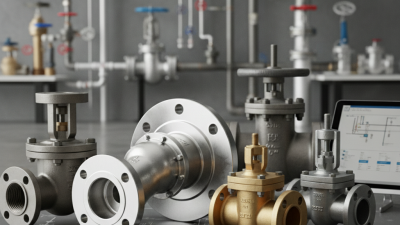
Flange valves control how fluid moves through a pipeline. Their main function may be to start or stop flow, depending on the valve design. Gate and ball valves are commonly used for isolation. Globe valves can adjust flow more precisely, while check valves help prevent reverse flow. Not every valve is suited to every task. That distinction matters.
The flanged ends connect the valve to matching pipe flanges with bolts and a gasket. This creates a joint that can be inspected and disassembled for maintenance. In a pump room, for example, an isolation valve can let technicians service one section without draining the entire line. Correct sizing, pressure rating, and material compatibility are essential. A strong flange connection cannot make an unsuitable valve perform well. It is easy to overlook alignment, too, and that deserves a second look.
Tips: Before installation, check that flange faces are clean and aligned. Use a compatible gasket, then tighten bolts evenly according to the applicable procedure. After commissioning, inspect for leaks and confirm the valve operates smoothly. Small checks help avoid larger problems.
Why Flange Valves Suit Large and High-Pressure Pipelines
In large piping systems, a valve connection must handle more than flow. It must remain secure under pressure, vibration, and repeated temperature changes. Flanged ends join the valve to matching pipe flanges with bolts and a gasket, creating a firm, inspectable connection. That matters.
On a high-pressure line, the valve body and connection must be selected for the system’s pressure and temperature ratings. A flange does not make every valve suitable for high pressure. The rating, material, gasket, bolt grade, and installation procedure all affect performance. For example, uneven bolt tightening can compress a gasket unevenly and create a leak path. Careful alignment and controlled tightening are essential.
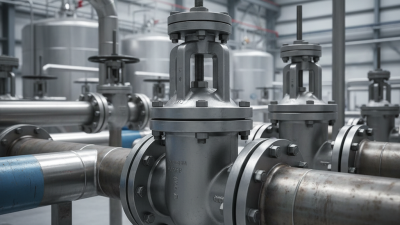
Flanged valves are especially practical on large pipes because crews can assemble or remove them without cutting the line. This can simplify inspection or replacement when a heavy valve sits between supports. The trade-off is weight and space: large flanges need room for bolts, tools, and safe access. They also add cost and require sound installation practices. In the field, those details are easy to underestimate. A well-rated valve still deserves a careful review of the piping loads and maintenance plan.
Why Are Flange Valves Used in Piping Systems? - Why Flange Valves Suit Large and High-Pressure Pipelines
| Engineering Dimension |
Typical Information |
Why It Matters in a Piping System |
| Connection method |
Flanges are joined with bolts and a gasket between the mating faces. |
Creates a removable joint, making a valve easier to install, inspect, or replace than a permanently welded connection. |
| Large-diameter compatibility |
ASME B16.5 covers pipe flanges and flanged fittings from NPS 1/2 through NPS 24; ASME B16.47 covers larger flange sizes, NPS 26 through NPS 60. |
Standardized flange dimensions support practical connections for many large-bore pipeline applications. |
| Pressure selection |
Common ASME flange classes include 150, 300, 600, 900, 1500, and 2500. Allowable pressure depends on the material and operating temperature. |
A range of standardized classes helps engineers select connections for different pressure-temperature conditions; the class number is not a universal pressure value in psi. |
| Valve pressure rating |
ASME B16.34 provides pressure-temperature rating requirements for many industrial valves. |
The valve body rating and end-connection rating must both be suitable for the service conditions. |
| Maintenance access |
Bolted joints can be dismantled after the line is safely isolated, depressurized, and drained as required. |
This can simplify planned maintenance and reduce the need to cut or reweld the pipeline. |
| Joint sealing |
Sealing performance depends on compatible flange faces, gasket selection, bolt material, and correct tightening procedure. |
Proper joint design and assembly are essential for leak control, especially in high-pressure or temperature-cycling service. |
| Installation trade-off |
Flanged joints require space for the flange pair, bolts, and tools, and generally add weight and length compared with some alternative connections. |
Allow adequate access and support; for some compact or severe services, welded-end valves may be more appropriate. |
| Typical applications |
Water treatment, power generation, chemical processing, oil and gas facilities, and other industrial piping systems. |
Flanged valves are useful where standardized connections and future access are important; final selection should follow the applicable code and project specifications. |
Factors to Consider When Selecting a Flange Valve
Choosing a flange valve starts with the fluid, not the pipe size.
Water, steam, oil, and corrosive chemicals place different demands on body, trim, and seal materials. Check the fluid’s temperature, pressure, and any suspended solids. Small particles can wear seats or obstruct narrow passages. A material that works well in one line may fail in another.
Match the valve’s pressure-temperature rating to the system’s actual operating range, including likely start-up conditions. Confirm flange size, facing, and bolt pattern against the adjoining pipework. A mismatch can lead to poor gasket seating or difficult installation. It is easy to overlook. Also consider flow rate and how the valve will be used: isolation, throttling, or frequent cycling. Not every valve design handles all three equally well.
Think about the space around the valve, too. Operators need room for a handwheel or actuator, and maintenance staff need access to bolts and seals. In a damp or dusty location, protection and inspection intervals matter. Check applicable project specifications and recognized standards, then verify details with the piping designer or supplier. This step can feel fussy, but assumptions about compatibility are not a substitute for checking the drawings. Even a careful selection may need revision once the actual installation constraints become clear.