How to Choose Flange Valves for Global Projects?
Choosing flange valves for global projects is not a simple catalog exercise. It requires evidence, field experience, and careful interpretation of project conditions. MarketsandMarkets identifies energy, water, and chemical processing as major industrial valve demand sectors. These sectors expose valves to pressure cycling, corrosive media, temperature changes, and difficult maintenance access.
Standards provide a reliable starting point. ASME B16.5 defines flange dimensions and pressure classes for many international projects. EN 1092-1 may apply when European dimensional requirements govern. API 6D is often relevant to pipeline valves. However, compliance with one standard does not guarantee complete project suitability. The engineer must verify materials, face-to-face dimensions, end connections, pressure ratings, and testing requirements. Small differences matter.
Site reality matters most. A valve installed beside a coastal pump station may face salt exposure and limited lifting space. A refinery valve may require fire-safe design, fugitive-emission control, and certified material traceability. The International Energy Agency’s World Energy Investment 2024 report highlights continued investment in power, grids, and energy infrastructure. Such projects increase demand for dependable flange valves, but the correct specification still depends on service conditions.
No checklist is perfect. Supplier documents can be incomplete, and local practices may conflict with global assumptions. That weakness deserves review before procurement. Compare manufacturer experience, third-party certificates, inspection plans, delivery capacity, and after-sales support. A lower purchase price can become expensive when replacement parts, customs delays, or installation errors appear. This guide offers a practical framework, not a substitute for licensed engineering judgment.
Define Pressure, Temperature, and Media: ASME B16.5 Class 150–2500
How to Choose Flange Valves for Global Projects?
Define Pressure, Temperature, and Media: ASME B16.5 Class 150–2500
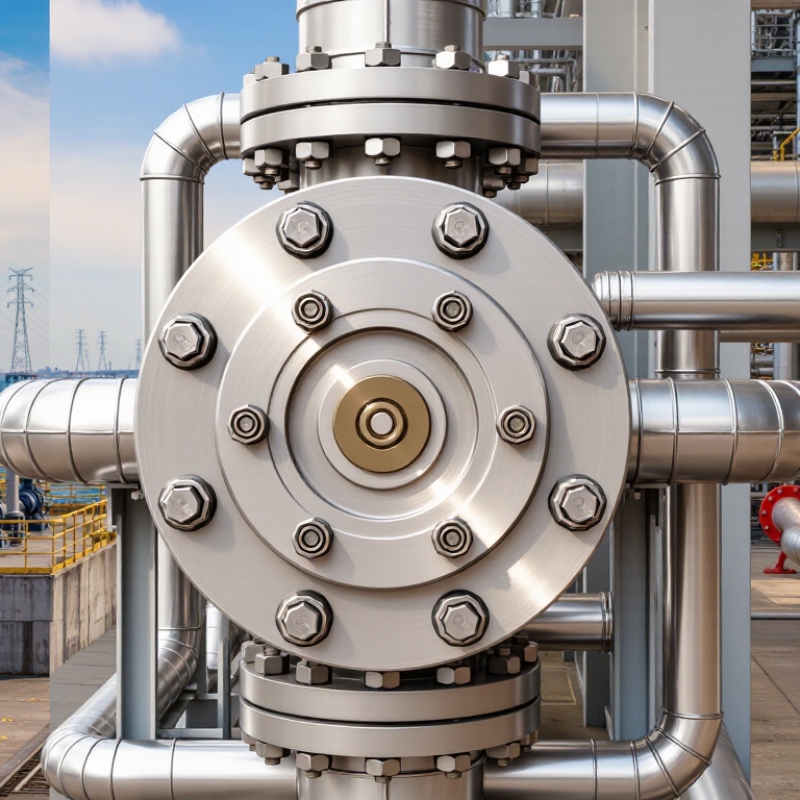
For global flange valve projects, pressure, temperature, and media must be defined before choosing a Class rating. ASME B16.5 Class 150 through Class 2500 covers flange dimensions, pressure-temperature ratings, and facing details. These classes are not simple bar labels. At higher temperatures, allowable pressure usually falls. Material matters. Always check the rating table for the selected flange material and design temperature. ASME B16.5 does not replace the valve’s pressure design standard.
Media details deserve equal attention. Water, steam, hydrocarbons, acids, and slurry can require very different valve materials and trim. A clear liquid may still contain chlorides that attack stainless steel. Gas service may demand tighter shutoff and different sealing materials. Specify concentration, solids content, viscosity, flow direction, and operating cycles. Guessing here creates expensive failures.
A common shortcut is choosing Class 300 because it feels safer. That choice can add weight and cost without solving corrosion or temperature risks. Match the valve’s NPS, flange facing, bolt pattern, and gasket type with the connected piping. Check raised-face dimensions carefully. Small mismatches can appear during installation. Request material certificates, pressure-test records, and traceable drawings before shipment. The selection is rarely perfect on the first pass. Recheck it when process data changes.
Select Dimensions Using ASME B16.10 and EN 1092 PN 6–40
How to Choose Flange Valves for Global Projects?
Select Dimensions Using ASME B16.10 and EN 1092 PN 6–40
Global valve selection starts with dimensional discipline. ASME B16.10 specifies face-to-face and end-to-end dimensions for many valve types. These measurements control replacement fit and pipeline alignment. Measure the available gap, including gasket compression and flange facing. A few millimeters can become a costly site correction. Do not treat B16.10 as a flange drilling standard. Connection details require the applicable flange standard and project specification.
For EN 1092 systems, identify the flange type, nominal size, and PN class from PN 6 through PN 40. PN 10 and PN 16 are not interchangeable by assumption. Bolt circles, hole numbers, flange thickness, and sealing faces may differ. Match the valve ends with the mating pipe flanges. Check gasket material, bolt grade, temperature, and medium compatibility together. Pressure class alone is not enough. A cold-water selection may fail after temperature rises.
Create a dimensional table for DN or NPS, face-to-face length, flange drilling, facing, and pressure rating. Compare approved drawings with the latest piping model. The first selection is rarely final. Keep unclear points visible. A missing facing detail can delay inspection or force rework. Before release, verify the standard edition, pressure-temperature limits, actuator clearance, and maintenance access. It is tempting to copy a familiar dimension. That shortcut needs a second review.
Verify Sealing Performance with ISO 5208 Leakage Rates
How to Choose Flange Valves for Global Projects?
Verify Sealing Performance with ISO 5208 Leakage Rates
Flange valves for global projects should be selected through documented sealing evidence, not appearance alone. ISO 5208:2015 defines leakage-rate classes for pressure testing. These classes range from no visible leakage to specified allowable leakage. The correct class depends on valve size, test medium, pressure, and service risk. Ask for the complete test record.
Check the details.
During inspection, confirm the pressure direction and stabilization time. A valve may pass a short factory test but behave differently after transport, installation, or thermal cycling. Field experience shows that flange alignment matters greatly. Uneven bolt tightening can distort sealing surfaces and create a small, persistent leak. Torque records and gasket specifications should travel with the valve.
The International Energy Agency’s Global Methane Tracker 2024 estimated nearly 120 million tonnes of methane emissions from fossil fuel operations in 2023. This figure strengthens the case for tighter fugitive-emission controls, especially in gas service. ISO 5208 results are valuable, but they do not replace project-specific emission testing. That distinction is easy to miss. For critical systems, compare the specified leakage rate with operating temperature, pressure changes, and maintenance access. A lower test leakage class can improve confidence, yet it may also increase procurement cost and testing time. The best selection is transparent, traceable, and realistic about imperfect site conditions.
Ensure Global Compliance with API, ASME, EN, and PED 2014/68/EU
Selecting flange valves for global projects requires more than matching pressure and size. The valve must fit the project’s governing standards, location, and documentation rules. API requirements may guide valve design and testing, while ASME standards commonly define pressure classes, dimensions, and material considerations. European projects may require EN standards, including EN flange dimensions and valve performance requirements. PED 2014/68/EU adds essential safety requirements for pressure equipment placed on the European market.
Check the flange drilling, face type, pressure-temperature rating, body material, and sealing arrangement. Confirm compatibility with ASME B16.5 or the applicable EN 1092 configuration. Review pressure testing against the specified API or EN procedure. For PED projects, identify the equipment category and required conformity assessment route. Obtain material certificates, test records, traceability documents, and the declaration of conformity when applicable. One detail is often missed: the valve standard and flange standard may not cover every installation risk.
Tips:
Create a compliance matrix before ordering. List each valve tag, standard, pressure class, material grade, test code, and certificate requirement. Ask the supplier to confirm deviations in writing. A checklist helps, but it is not perfect. Recheck regional requirements, because project specifications can be stricter than baseline standards. For critical service, involve a qualified engineer or inspection body before production starts. A small mismatch in bolt holes or certification can delay customs clearance, installation, and commissioning.