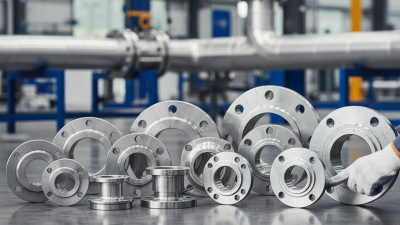
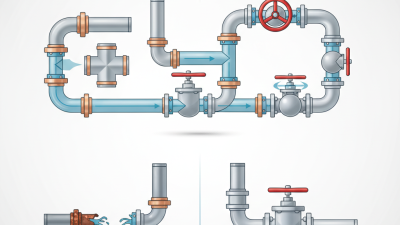
Why Choose Flange Valves for Your Industrial Needs?
In the world of industrial applications, choosing the right valve is crucial. Flange valves have emerged as a popular choice among industry professionals. According to Dr. Alice Bennett, a leading engineer in valve technology, "Flange valves provide the durability and reliability that industries rely on." This highlights their importance in various sectors.
Flange valves are known for their robust construction. They excel in high-pressure environments and withstand significant temperature variations. This makes them ideal for oil and gas, water treatment, and chemical processing industries. Dr. Bennett also points out, "Their design facilitates easy maintenance and replacement, which saves time and costs." This accessibility adds to their appeal.
However, not all flange valves are created equal. Choosing the right material and design for specific applications can be challenging. Overlooking these factors may lead to inefficiencies. Industry experts encourage careful reflection and analysis of needs before making a selection. This diligence is essential to ensure the flange valves chosen will meet operational demands effectively.
Understanding Flange Valves and Their Components
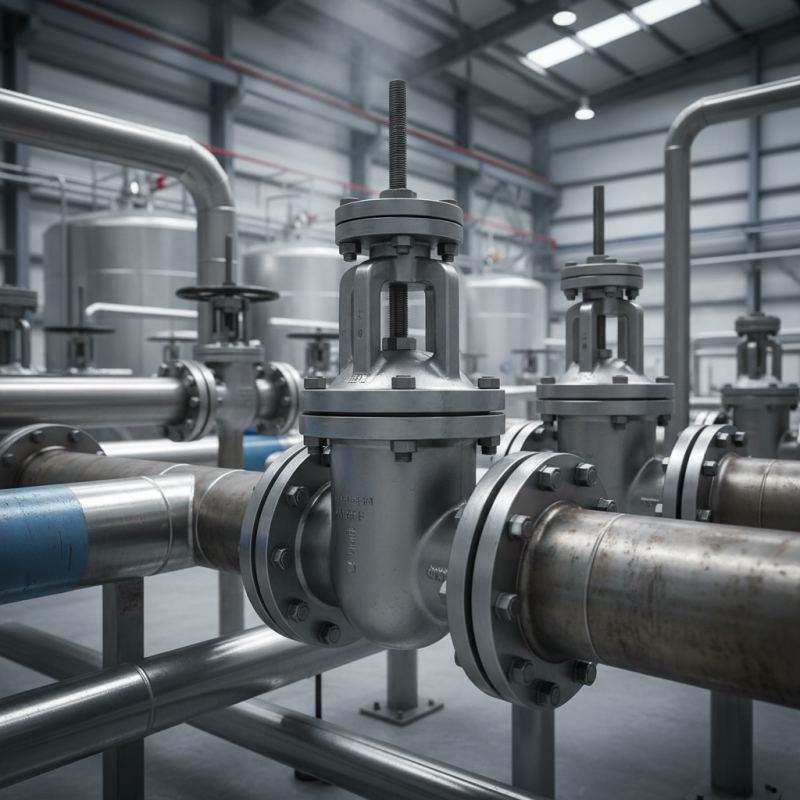
Flange valves play a crucial role in industrial applications. They ensure efficient fluid control and are essential for managing pressure and flow. Understanding their components is key to maximizing their potential. Typically, flange valves consist of a body, a bonnet, a disk, and a stem. Each part contributes to the valve’s operation and reliability.
According to industry reports, the global valve market, valued at over $70 billion, is expected to grow significantly. Flange valves are increasingly favored due to their robust design and ability to handle high-pressure environments. Their capability to maintain tight seals helps prevent leaks, a critical feature in sectors such as oil and gas, water treatment, and chemicals.
Tip: Regularly inspect your flange valves. Look for signs of erosion or buildup that could compromise performance. Monitoring can save costs in the long run. Remember, no valve is immune to wear. It’s crucial to address concerns promptly to avoid larger issues.
Flange connections provide installation flexibility, which is another reason for their widespread use. They can be found in various sizes and materials, allowing customization for specific industrial needs. However, selecting the wrong type can lead to inefficiencies. Understanding your system's requirements is essential in making the right choice.
The Advantages of Flange Valves in Industrial Applications
Flange valves are essential components in industrial pipelines. They offer a reliable solution for controlling fluid flow. One key advantage is their robust construction. This durability makes them ideal for high-pressure systems. Their ability to withstand extreme temperatures is impressive as well.
Installation of flange valves is relatively straightforward. Their design allows for easy alignment and secure connections. This can save time during setup, which is often critical in industrial settings. The use of flange valves can also enhance safety. A proper seal prevents leaks that could lead to hazardous situations. However, regular maintenance is necessary to ensure they remain effective.
Flange valves provide flexibility in applications. They can be used in various industries, from water treatment to oil and gas. Yet, it is essential to consider the specific requirements of each application. Not every flange valve is suitable for every situation. Understanding the environment and conditions is vital for optimal performance. This awareness can prevent costly errors and enhance system reliability.
Key Factors to Consider When Choosing Flange Valves
When selecting flange valves for industrial applications, several key factors should be prioritized. The material of the valve is crucial. Stainless steel is often preferred for its durability and resistance to corrosion. However, it may not be suitable for all environments. Assess the specific conditions where the valve will be used. Extreme temperatures or chemical exposure can significantly impact longevity.
Another important consideration is the pressure rating. Different applications require valves that can withstand variable pressure levels. Ensure that you choose a valve with a rating that meets or exceeds your operational requirements. This prevents failures and costly downtime.
Flange size and compatibility also matter. Mismatched sizes can lead to leaks and inefficiencies, ultimately affecting productivity.
Installation and maintenance should not be overlooked. Flange valves should facilitate easy access for service. Complex installations can lead to mistakes and increased labor costs. Regular inspections are needed to ensure reliability over time. Reflecting on past experiences can guide future decisions. Learning from previous installations can improve choice and ensure optimal performance in the long run.
Common Industries That Benefit from Flange Valves
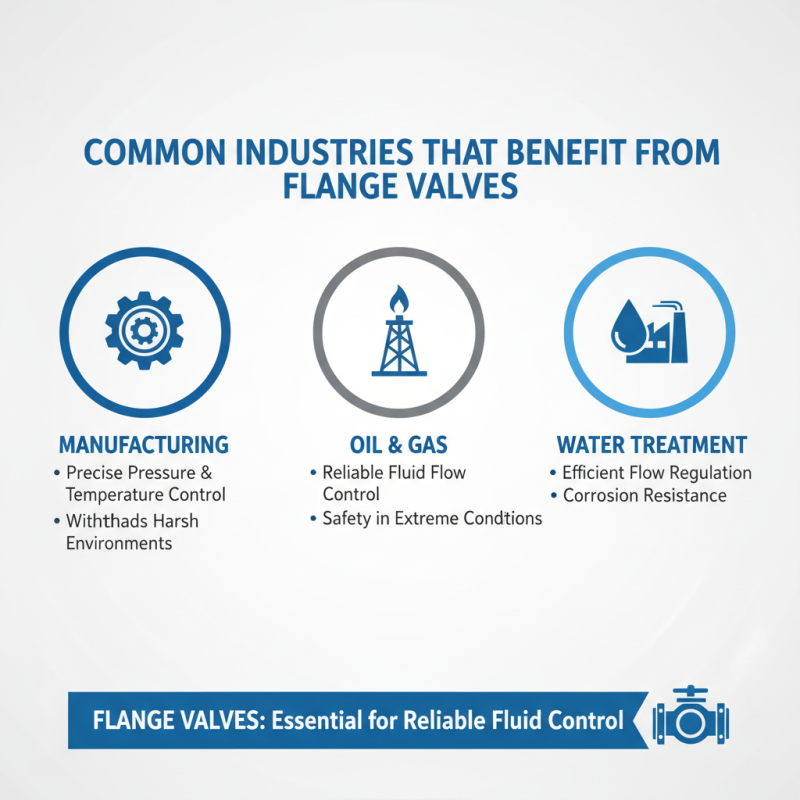
Flange valves are essential in various industries, providing reliable control over fluid flow. These valves are particularly popular in manufacturing, oil and gas, and water treatment sectors. In manufacturing, flange valves help maintain precise pressure and temperature levels. Their sturdy design ensures they withstand harsh environments while ensuring safety.
In the oil and gas industry, flange valves are crucial for managing high-pressure pipelines. They offer a secure leak-proof connection, vital for transporting hazardous materials. Their durability guarantees longevity, but sometimes they need regular inspection to prevent issues.
Water treatment facilities also rely on flange valves to regulate flow and pressure. These valves help maintain the quality and safety of water. However, their installation can be complex. Proper training and expertise are essential for effective use. It’s vital to consider the specific needs of each industry when choosing flange valves.
Maintenance and Care Tips for Flange Valves
Flange valves are essential in various industrial applications, but proper maintenance is crucial. Research indicates that regular care can enhance the lifespan of these valves by up to 30%. Understanding how to maintain these units helps in minimizing costly downtime and ensures operational efficiency.
Routine inspections should be conducted to check for leaks and corrosion. Corroded components can lead to catastrophic failures. A study revealed that over 20% of industrial valve failures arise from inadequate maintenance. It's wise to create a checklist for inspections, focusing on joints and flanges as critical points.
Tips: Use a soft brush to clean flanges gently. Avoid abrasive materials that may scratch the surface. Additionally, lubricating the threads can prevent seizing. Proper storage is also key; ensure valves are kept in a dry environment to avoid moisture accumulation.
Monitoring performance is vital. Record any changes in pressure or flow rates. Unexpected fluctuations could indicate underlying issues. Timely adjustments can save you from bigger problems down the line. Regular maintenance isn't just a task; it's a critical strategy for operational safety and efficiency.