2026 Best Stainless Fittings for Global Buyers Need?
In the fast-evolving world of industrial solutions, selecting the right stainless fittings is crucial for many global buyers. These components, known for their durability and resistance to corrosion, play a vital role in various applications. Whether in plumbing, construction, or manufacturing, the quality of stainless fittings can significantly impact efficiency and safety.
Navigating the market can be overwhelming. Buyers often encounter a wide array of options, each claiming superiority. It's essential to focus on manufacturers with a proven track record. Expertise in stainless fittings ensures reliable performance and longevity. Features like size, pressure ratings, and compatibility should be closely examined.
As the demand for stainless fittings rises, so do the challenges. Manufacturers must adapt to changing standards and materials. Global buyers should remain vigilant about sourcing from reputable companies. In this dynamic marketplace, understanding the fundamentals of stainless fittings is key to making informed decisions.
Overview of Stainless Fittings and Their Importance in Global Markets
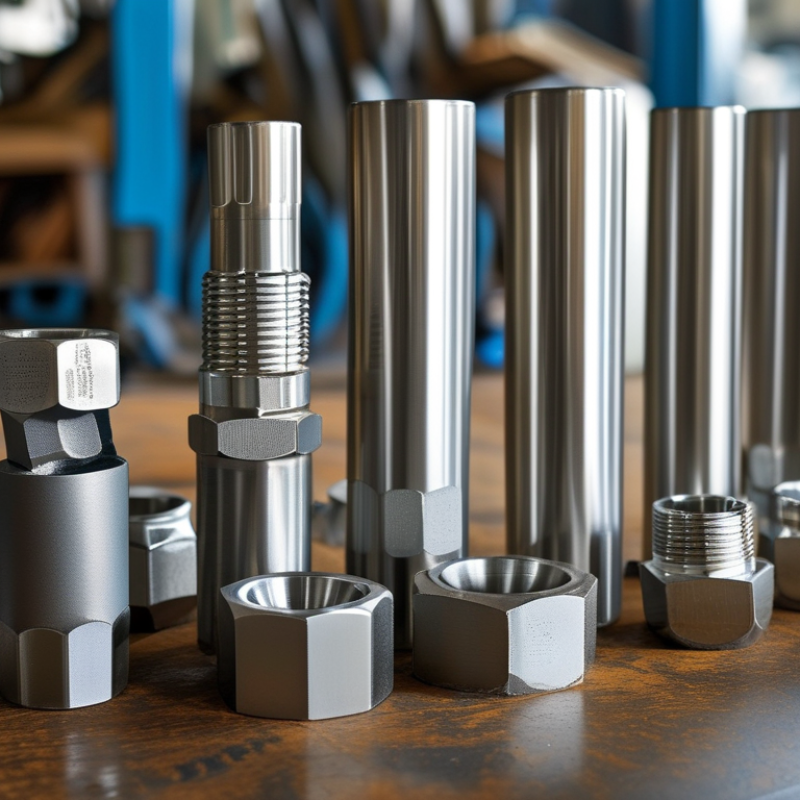
Stainless fittings are critical components in various industries. They are used in plumbing, automotive, and aerospace applications. These fittings provide strength and durability. Their resistance to corrosion makes them essential for longevity. The global demand for stainless fittings continues to rise, reflecting their importance in modern infrastructure.
Quality matters when sourcing stainless fittings. Buyers should prioritize materials and certifications. It is vital to verify that products meet international standards. Improper fittings can lead to failures in systems, causing safety issues. These failures often result from using subpar materials.
Consider the environment when selecting fittings. Some manufacturers prioritize sustainable practices. Products made with recycled materials can positively impact the planet. Look for suppliers who are transparent about their production methods. This reflection on sustainability can also influence industry standards.
When purchasing, ensure compatibility with existing systems. Each application may require specific types of fittings. Seek expert advice if uncertain about needs. Investing time in research can prevent costly mistakes later on. Always remember that informed choices lead to better outcomes in sourcing stainless fittings.
2026 Best Stainless Fittings Demand by Region
Key Factors to Consider When Choosing Stainless Fittings for Your Needs
When choosing stainless fittings, consider several key factors for your specific needs. The type of stainless steel is critical. Different grades, such as 304 and 316, have varying levels of corrosion resistance. For marine applications, 316 stainless steel is often preferred due to its superior resistance to saltwater corrosion. Be aware of your environment to make the best choice.
Another factor is the fitting's size and compatibility with existing piping systems. Accurate measurements are essential. Small discrepancies can cause leaks. It's vital to check the connection type—threaded, welded, or flanged. Each type has its advantages and disadvantages.
Quality is another consideration. Not every stainless fitting is created equal. Look for certifications that indicate the manufacturing process meets industry standards. Sometimes, companies may not disclose this information clearly. Research reviews and user experiences to gauge reliability. This attention to detail can save you from costly mistakes later on.
2026 Best Stainless Fittings for Global Buyers Need
| Type |
Material Grade |
Pressure Rating |
Temperature Resistance |
Application |
| Elbow |
304 |
150 psi |
-20°C to 120°C |
Plumbing |
| Tee |
316 |
300 psi |
-40°C to 120°C |
Chemical Processing |
| Flange |
321 |
600 psi |
-50°C to 250°C |
Oil & Gas |
| Coupling |
316L |
250 psi |
-20°C to 180°C |
Beverage Industry |
| Reducer |
304H |
150 psi |
-20°C to 220°C |
Pharmaceuticals |
Top 2026 Trends in Stainless Fittings for Global Buyers
The stainless fittings market is evolving rapidly, shaped by various trends and demands. Global buyers seek durable and cost-effective solutions. The demand for stainless steel fittings is projected to grow at a CAGR of 5% from 2023 to 2026, according to a recent market analysis. This growth is fueled by the material’s corrosion resistance and strength, essential for sectors like construction and oil and gas.
One prominent trend is the increasing focus on sustainability. Buyers are prioritizing eco-friendly products. Reports indicate that 70% of manufacturers are investing in sustainable practices. This shift is generating innovative designs, often using recycled materials. Another notable trend is the advancement in manufacturing technology. Automated and precise fabrication methods are enhancing product quality. However, the industry faces challenges. Supply chain disruptions and fluctuating raw material costs pose risks to fulfillment and pricing stability.
Flexibility in product offerings is becoming crucial. Customization options are highly valued by clients looking for specific applications. Market surveys show that 58% of buyers are inclined to choose suppliers who provide tailored solutions. As the market matures, continual assessment of purchasing habits and trends will guide global buyers. Balancing innovation with reliability remains a focal point for suppliers in this dynamic landscape.
Comparative Analysis of Leading Manufacturers of Stainless Fittings
In the competitive market of stainless fittings, understanding the best manufacturers is crucial for global buyers. Various factors determine the leading companies, such as product quality, customer service, and innovation. Buyers should analyze the material composition and corrosion resistance of fittings. Quality control processes play a significant role in ensuring high standards.
It's essential to consider the manufacturing location. Local suppliers may offer quicker delivery times and lower shipping costs. Additionally, reviewing customer feedback can provide insights into reliability and service efficiency. Manufacturers often showcase their certifications, which can guide buyers toward trustworthy options.
Tip: Conduct thorough research on the manufacturers' histories. Look for companies with long-standing experience in the industry.
Supply chain stability is also vital. Disruptions can lead to delays, affecting project timelines. Be mindful of companies’ ability to maintain stock and fulfill orders on demand. Analyze their production capacities.
Tip: Explore different pricing structures. The cheapest option may not always be the best in terms of quality.
Ultimately, aligning the choice of stainless fittings manufacturer with project needs is key to success. Buyers should reflect on their choices and the potential impact on operations.
Sustainability and Innovation in the Stainless Fittings Industry for 2026
The stainless fittings industry is witnessing transformative changes driven by sustainability and innovation. In 2026, the global market is projected to reach over $15 billion, with a considerable focus on eco-friendly materials and practices. According to a recent report by Grand View Research, the demand for sustainable fittings is rising sharply, fueled by environmental regulations and consumer preferences. Industry players are investing heavily in research and development to minimize environmental impact while enhancing product performance.
Innovations in manufacturing processes are also a crucial aspect. Advanced techniques such as additive manufacturing and automation are becoming prevalent, reducing waste while improving efficiency. A study by the World Stainless Association indicates that stainless steel production now emits 40% less CO2 compared to a decade ago. However, challenges remain, particularly in balancing cost and sustainability. Many companies still grapple with high production costs of recycled materials, which can hinder widespread adoption.
Moreover, the market is evolving with a growing emphasis on circular economy principles. Businesses are beginning to view waste as a resource, yet large-scale implementation is still in its infancy. Enhanced collaboration within the industry could pave the way for breakthroughs in sustainability. Nonetheless, the journey towards a fully sustainable stainless fittings industry is fraught with complexities that require ongoing reflection and dedication.