Quality Products

At a Fair Price

Wholesale Provider

Of Valves & Fittings

  • Corporate Office: 1301 Greengrass Drive Houston, TX 77008
  • 1-800-237-2512

Quality Products

At a Fair Price

Wholesale Provider

Of Valves & Fittings

China Top 10 Check Valve Manufacturers for Global Buyers?

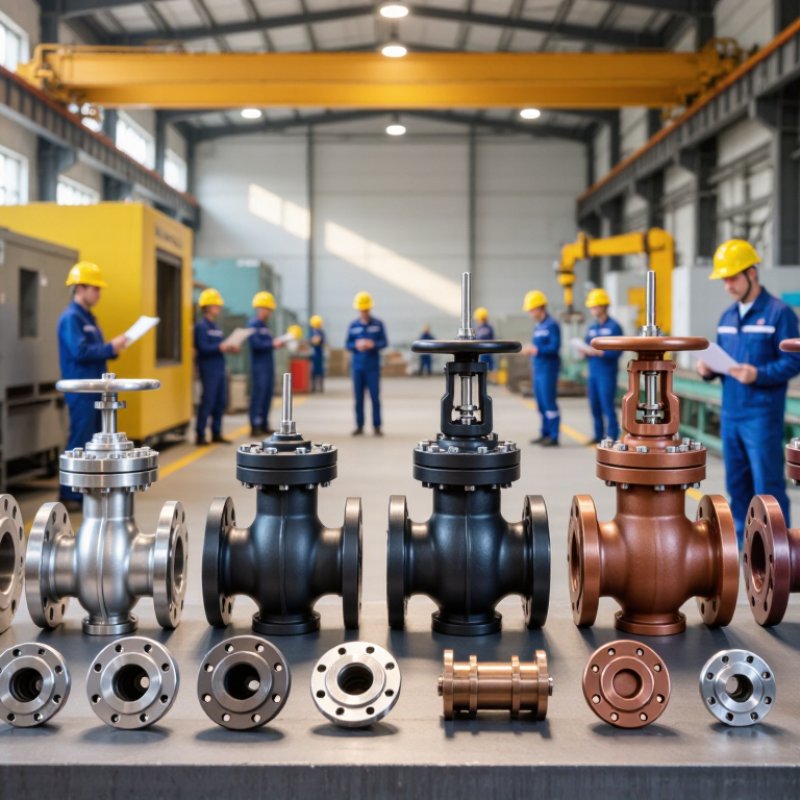
Choosing a dependable check valve manufacturer involves more than comparing prices or catalog photos. Buyers must match each valve to its operating conditions, including fluid type, pressure, temperature, connection size, and installation position. A swing check valve may suit one pipeline, while a lift or dual-plate design may better fit another. The details matter. Material choices also affect performance: stainless steel, ductile iron, and bronze each serve different applications and environments.

This guide introduces ten China-based manufacturers that global buyers may consider when sourcing check valves. It focuses on practical comparison points, such as product range, manufacturing capabilities, quality documentation, customization options, and export experience. These factors can help procurement teams prepare focused questions and compare suppliers more consistently. Still, a manufacturer’s published specifications do not replace application engineering or independent verification. Request current technical documents, clarify testing requirements, and confirm that the selected model meets your project’s stated standards. Details can change between product lines, and a broad catalog does not guarantee a suitable solution. That is worth remembering. Use this overview as a starting point, then assess each supplier against your own duty conditions, delivery needs, and inspection process.
China Top 10 Check Valve Manufacturers for Global Buyers?

Understanding Check Valves and Their Role in Industrial Systems

A check valve allows fluid to move in one direction and closes when flow reverses. This action can protect pumps, limit backflow, and support stable operation. In a water line, a spring-loaded disc may close quickly when a pump stops. Swing-type designs may suit larger pipelines with steadier flow. The right choice depends on pressure, fluid properties, temperature, installation position, and operating conditions.

In industrial systems, check valves are commonly installed near pumps, compressors, tanks, and process branches. They are not universal safety devices. A valve that closes too slowly may permit reverse flow, while one that shuts abruptly can contribute to pressure surges and noise. Solids, viscous fluids, and frequent cycling may also affect sealing and wear. Compare cracking pressure, pressure drop, materials, connection type, and maintenance access with actual system data.

Tips: Follow the flow arrow on the valve body and confirm its orientation against the installation guidance. Check for water hammer or pulsation. Leave enough clearance to inspect or remove internal parts. Design data can miss real operating conditions, so verify performance after installation.

How China’s Check Valve Manufacturing Industry Serves Global Markets

China’s check valve manufacturing industry serves global markets through a mix of component production, machining, assembly, and export support. Buyers can source valves for water systems, industrial pipelines, and process equipment in varied sizes and materials. The right choice depends on pressure, temperature, fluid, and installation direction. Small details matter.

Manufacturers may offer stainless steel, cast iron, or other body materials, with designs such as swing, lift, and dual-plate check valves. Production quality relies on controlled machining, suitable sealing materials, and repeatable testing.

Export orders also require clear drawings, product specifications, and careful packaging to reduce damage during long transport. Capabilities differ between factories, though. A polished catalog does not prove that a valve suits a particular duty; buyers should verify test records and confirm operating conditions before ordering.

Tips: Share the fluid, pressure range, temperature, pipe size, and connection type when requesting a quotation. Ask how the valve’s cracking pressure and leakage performance are checked. Request samples or inspection records when practical, and confirm spare-part availability. A lower purchase price may not mean lower total cost if maintenance is difficult.

Profiles of 10 Chinese Check Valve Manufacturers for International Buyers

International buyers comparing Chinese check valve manufacturers need more than a product catalogue. These profiles examine ten suppliers through practical details: swing, lift, and wafer designs; body materials; pressure ratings; and documented inspection procedures. A clear profile should show whether a manufacturer can provide material traceability, dimensional drawings, and test records for the exact valve offered. Details matter.

Grand View Research’s 2024 industrial valves market report estimated the global market at USD 78.4 billion in 2023. This figure covers industrial valves broadly, not check valves alone, but it signals a substantial, competitive supply landscape. For buyers, market size is not evidence of quality. Request test documentation aligned with applicable standards, such as ISO 5208, and check that the stated test conditions match the intended service.

The ten profiles should also compare export experience, production scope, and communication around customization. A stainless-steel valve may suit a corrosive process, while ductile iron can be appropriate for other water applications; the medium and operating conditions decide. Ask for pressure-temperature limits, connection dimensions, and lead-time assumptions in writing. A catalogue alone is not proof. Supplier profiles can simplify screening, yet they cannot replace technical review; even a polished profile may leave useful questions unanswered.

China Top 10 Check Valve Manufacturers for Global Buyers? — Profiles of 10 Chinese Check Valve Manufacturers for International Buyers

The anonymized rows below are product-focused sourcing profiles, not verified rankings or claims about specific companies. Valve types, materials, connections, and standards shown are common industry options; availability, design limits, certifications, and compliance must be confirmed with each supplier for the exact model.

Profile Common Check Valve Type Typical Applications Common Body Material Options Common End Connections Relevant Standards to Check Buyer Verification Priorities
Profile 01 Swing check valve Water, general industrial piping, and process lines where flow direction and installation orientation suit the selected design. Cast carbon steel, stainless steel, or ductile iron, depending on design and service. Flanged, threaded, or other specified ends, depending on model and size. GB/T 12236 for steel swing check valves; ISO 5208 for pressure testing of metallic valves. Confirm allowable orientation, disc travel, pressure-temperature limits, test procedure, and face-to-face dimensions.
Profile 02 Wafer or dual-plate check valve Compact piping layouts in water, HVAC, and industrial services where the piping design permits a wafer-style valve. Ductile iron, carbon steel, or stainless steel, depending on the service and construction. Wafer-style installation between compatible flanges. API 594 covers check-valve design types including wafer and dual-plate configurations; ASME B16.5 may apply to mating flanges. Check the exact API 594 design category, flange compatibility, minimum operating conditions, and installation instructions.
Profile 03 Lift check valve Process and utility piping where a guided closure element is appropriate for the specified flow conditions. Cast or forged carbon steel, alloy steel, or stainless steel, subject to the design. Flanged, threaded, or socket-weld ends, depending on size and model. ASME B16.34 addresses pressure-temperature ratings, dimensions, and other requirements for applicable valves; ISO 5208 addresses pressure testing. Verify flow direction, installation position, pressure drop, seat design, and material compatibility with the process fluid.
Profile 04 Piston check valve Selected steam, condensate, and process applications; suitability depends on the supplier’s design and service limits. Carbon steel, alloy steel, or stainless steel, according to the specified pressure, temperature, and fluid. Flanged or threaded ends are common options; confirm the offered configuration. ASME B16.34 and ISO 5208 may be relevant where specified by the project. Request documented pressure-temperature ratings, trim details, test records, and any service-specific limitations.
Profile 05 Forged-steel check valve Small-bore, higher-pressure process and utility lines where a forged-body construction is specified. Forged carbon steel, alloy steel, or stainless steel, depending on the order specification. Threaded, socket-weld, or butt-weld ends, depending on product design and size. API 602 covers compact steel gate, globe, and check valves for applicable petroleum and natural-gas industry uses; ASME B16.34 may also apply. Confirm pressure class, material specification, end preparation, inspection scope, and whether the exact valve is within the standard’s scope.
Profile 06 Pipeline check valve Oil, gas, and other pipeline systems when the project specification calls for a pipeline-valve design. Carbon steel or other specified metallic materials, subject to the pipeline service and design. Flanged or butt-weld ends, according to line class and project requirements. API 6D covers pipeline and piping valves, including check valves, within its scope; confirm the applicable edition and project requirements. Review design pressure, end-to-end dimensions, materials, traceability, inspection records, and required qualification documents.
Profile 07 Stainless-steel check valve Corrosive or hygienically sensitive services only when the selected alloy, finish, and design are suitable for the application. Stainless steel grades selected to the purchaser’s material specification and service conditions. Flanged, threaded, socket-weld, or butt-weld ends, depending on the product. ASME B16.34 may apply to the valve design; ISO 5208 may apply to pressure testing. Verify exact alloy grade, wetted-part materials, corrosion compatibility, surface requirements, and material certificates.
Profile 08 Ductile-iron check valve Water distribution, building services, and general waterworks applications where the pressure and fluid conditions are suitable. Ductile iron body with specified internal components and coating system. Flanged or other connections offered for the selected waterworks design. Confirm the applicable national or project waterworks standard; ASME B16.5 applies to specified flange dimensions, not to the entire valve design. Check potable-water approvals where required, coating and lining specification, flange drilling, working pressure, and test documentation.
Profile 09 Silent or nozzle-style check valve Pumping systems where rapid closure or reduced water-hammer effects are design objectives; actual performance is system-dependent. Cast steel, ductile iron, or stainless steel, depending on the design and application. Flanged or wafer-style connections, depending on the model. Relevant valve and flange standards depend on the design and project specification; ISO 5208 may be specified for pressure testing. Request flow and closure-performance data, installation requirements, pressure-loss information, and evidence relevant to the system conditions.
Profile 10 Large-diameter flanged check valve Water, power, and industrial piping projects requiring larger line sizes; material and design depend on service conditions. Ductile iron, cast steel, or other specified metallic materials. Flanged ends with drilling and dimensions selected for the project’s piping standard. EN 558 specifies face-to-face dimensions for certain metal valves; ASME B16.5 covers specified flange dimensions and ratings within its size range. Confirm nominal size, pressure class, face-to-face series, flange standard, lifting and handling requirements, and inspection plan.

Comparing Manufacturers by Products, Standards, and Export Capabilities

China Top 10 Check Valve Manufacturers for Global Buyers?

A useful comparison starts with product fit, not catalogue size. Check whether each manufacturer offers swing, lift, dual-plate, or axial designs suited to your fluid, pressure, and installation space. For technical screening, compare materials, pressure-temperature ratings, flow direction, and documented test procedures. API 594 covers check-valve designs, while ISO 5208 specifies pressure testing for industrial valves. Ask for the actual test record, not just a certificate image. Details matter. A broad product range means little if the required size or trim is unavailable.

Standards and export capability deserve equal weight. Request traceable material certificates, inspection plans, dimensional drawings, and evidence that the quoted valve matches the tested configuration. UNCTAD’s Review of Maritime Transport 2024 reports that global maritime trade grew 2.4% in 2023, reaching 12.3 billion tonnes; shipping delays can therefore affect delivery planning. The World Bank’s 2023 Logistics Performance Index assessed 139 economies across areas including customs, tracking, and timeliness. Use these reports as context, not proof of a supplier’s performance. Compare lead-time commitments, export packing, spare-parts support, and responses to technical questions. I would still verify a sample order; paperwork can look perfect, and real service can be less tidy.

How to Evaluate and Select a Chinese Check Valve Supplier

How to Evaluate and Select a Chinese Check Valve Supplier

Selecting a check valve supplier starts with your operating conditions, not a catalogue. Define the medium, pressure, temperature, connection size, and installation orientation. Then compare drawings, materials, and applicable test requirements, such as API 598. Ask for heat-number traceability and pressure-test records for the exact model you plan to buy. A polished certificate alone is not proof that the delivered valve matches it.

China’s manufacturing scale is substantial: World Steel Association’s World Steel in Figures 2025 reports 1.005 billion tonnes of crude steel production in China during 2024, about 53% of the global total. That scale supports a broad industrial supply base, but it does not guarantee valve quality. Numbers need context. Request recent inspection evidence, confirm who performs testing, and check whether the supplier can reproduce your specified materials and dimensions. A small pilot order can reveal packaging, documentation, and communication gaps before a larger purchase.

Tips: Ask for a sample inspection plan and a clearly itemized quotation. Compare delivery terms and spare-part availability, not only unit price. If a supplier cannot explain how its test results relate to your valve’s size and pressure class, pause and investigate.

How to Evaluate and Select a Chinese Check Valve Supplier

Suggested evaluation weights for comparing suppliers—these are buyer-defined priorities, not rankings or survey results.

How to use: Score each supplier against these criteria, then apply the weights to compare overall fit. Verify certifications, test records, delivery commitments, and service capabilities for your specific valve requirements.

Top
error: Content is protected !!