What Are Stainless Steel Valves and How Do They Work?
Stainless steel valves control the movement of liquids, gases, and slurries through industrial piping. They appear in water plants, food-processing lines, chemical facilities, and marine systems. Their polished bodies may look simple, yet each valve manages pressure, temperature, flow direction, and leakage risk. A small valve can protect an entire production line.
According to valve engineer and author Richard W. Greene, “A valve is only reliable when its material, movement, and maintenance agree.” This practical observation explains why stainless steel valves require more than attractive metal surfaces. Stainless steel offers strong corrosion resistance, especially when the grade matches the service environment. However, it is not immune to damage. Chlorides, poor welding, trapped moisture, and incorrect cleaning can still cause pitting or stress corrosion.
The working principle is direct. A handwheel, lever, or actuator moves a stem. The stem positions a gate, ball, globe, butterfly disc, or check mechanism. That movement changes the opening inside the valve. A wider opening usually permits greater flow. A closed mechanism blocks the passage. Simple enough.
But real systems are less forgiving. Pressure drops, worn seals, vibration, and unsuitable gaskets can change performance. A valve may operate correctly during testing, then leak months later. This article explains what stainless steel valves are, how their main designs work, and where each type fits best. It also examines selection details that are easy to overlook, including stainless steel grade, connection style, pressure rating, temperature limits, and cleaning conditions. Good engineering begins with questions, not assumptions.
What Stainless Steel Valves Are and Why They Matter
What Are Stainless Steel Valves and How Do They Work?
Stainless steel valves control, stop, or redirect fluids inside piping systems. Their bodies usually contain chromium, which helps form a thin protective oxide layer. That layer resists rust, moisture, and many chemical exposures. A ball, gate, globe, or butterfly mechanism moves inside the valve. Turning a handle, rotating an actuator, or applying air pressure changes the flow path. Simple in principle. Precision matters.
Stainless steel valves matter because failure can contaminate products, release pressure, or interrupt production. The International Stainless Steel Forum reported about 58.4 million tonnes of stainless crude steel production in 2023. That scale reflects continuing demand for corrosion-resistant materials. A 2024 industrial-valves market analysis estimated the global market near US$78 billion in 2023, with continued growth expected through 2030. These figures cover many valve materials, not stainless steel alone, so the comparison needs care.
In food processing, a smooth internal surface reduces residue around seats and joints. In water treatment, correct alloy selection helps manage chlorides and changing water chemistry. However, stainless steel is not automatically the best choice. Chloride-rich environments can still cause pitting, especially when surfaces are scratched or poorly cleaned. Valve selection should match pressure, temperature, fluid chemistry, and maintenance access. ISO 5208 pressure testing provides a useful reference, but field installation can still undermine good design. That uncomfortable gap deserves attention.
Key Components That Control Valve Operation
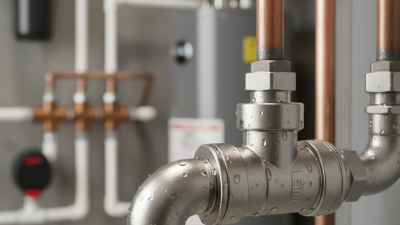
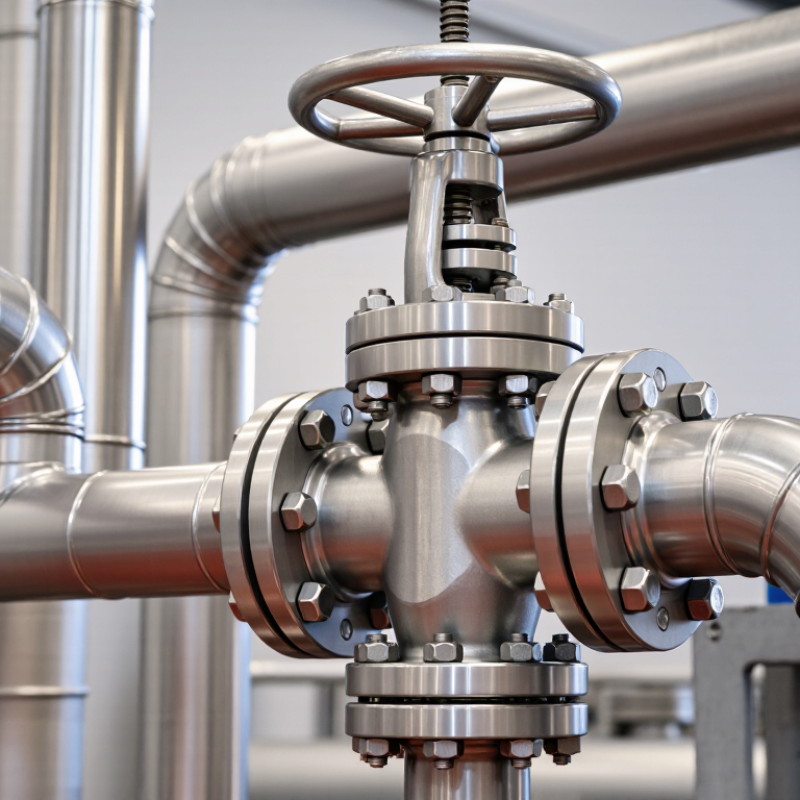
Stainless steel valves regulate, start, stop, or redirect fluid flow. Their operation depends on several components working together. The valve body contains internal pressure and connects to the piping system. Stainless steel provides strong corrosion resistance, especially in wet or chemically demanding service. However, material selection still depends on temperature, fluid composition, and pressure.
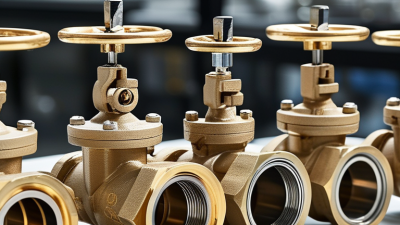
The stem transfers movement from the handwheel or actuator to the closing element. That element may be a ball, gate, disc, or plug. A ball rotates inside the body, while a gate usually moves vertically. Seats create the sealing surface around the closing element. Even a small scratch on a seat can cause leakage. Packing surrounds the stem and limits fluid escape. The bonnet holds internal parts in position and allows inspection or maintenance.
Actuators control valves remotely or automatically. Pneumatic units use air pressure, while electric units use a motor and gearbox. Springs may move the valve to a safer position when power or air fails. Position indicators show whether the valve is open, closed, or partly open. Field checks should include stem movement, packing condition, seat leakage, and unusual vibration. A valve may look sound externally but still have internal wear. This is where assumptions can fail. Correct torque, alignment, and gradual operation matter more than appearance alone. No valve is maintenance-free.
How Stainless Steel Valves Regulate Fluid Flow
Stainless steel valves control liquid and gas movement inside pipes, tanks, and processing equipment. Their corrosion-resistant bodies suit water systems, food processing, chemical service, and many outdoor installations. A valve does more than open or close. It manages pressure, direction, volume, and sometimes temperature-related flow changes.
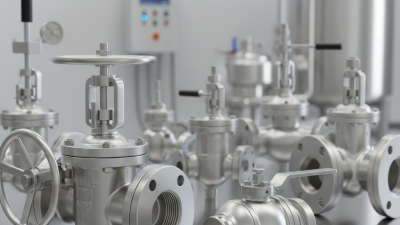
Inside a ball valve, a drilled sphere rotates to align with the pipe or block it completely. A butterfly valve uses a circular disc that turns around a central shaft. Globe valves move a plug toward a seat, allowing precise adjustment through a narrower passage. Operators may use handwheels, levers, electric actuators, or pneumatic controls. The selected method depends on pipe size, operating pressure, response speed, and required control accuracy.
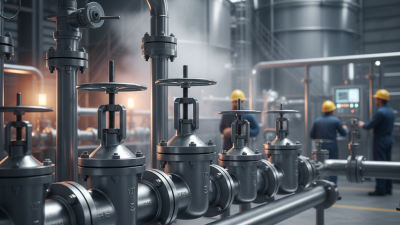
Flow regulation depends on the valve opening, fluid viscosity, and pressure difference across the valve. A partly closed valve creates resistance, reducing flow while converting some energy into turbulence and heat. Excessive throttling can cause noise, vibration, or cavitation, especially with liquids under high pressure. Correct sizing matters more than appearance. A shiny valve can still perform poorly if its seat material, pressure rating, or connection type is unsuitable. Field checks should include leakage, stem movement, bolt tightness, and unusual temperature changes. The ideal calculation may miss real conditions, such as sediment or unstable pump pressure. That is why experienced technicians adjust controls gradually and record operating results.
Where Stainless Steel Valves Are Used and How They Are Selected
Stainless steel valves control, isolate, or redirect fluids through pipelines. A ball valve rotates a drilled sphere. A gate valve lifts a flat barrier. Check valves open only when flow moves forward. Their stainless bodies resist corrosion, temperature changes, and repeated cleaning.
Their value appears in food processing, pharmaceutical production, chemical plants, water treatment, marine systems, and high-purity gas lines. World Stainless reported about 58.4 million tonnes of crude stainless steel production in 2023. That scale supports broad availability, but it does not make every grade suitable. Chloride-rich seawater can still attack common stainless alloys. A polished surface can mislead.
Selection should begin with the medium, pressure, temperature, flow rate, and cleaning method. Engineers often compare 304 and 316 stainless steel. Grade 316 usually offers stronger chloride resistance because of its molybdenum content. For pressure equipment, ASME B16.34 provides recognized requirements for valve design, materials, testing, and pressure ratings. The wrong actuator can also reduce safety and control accuracy. In practice, a valve that looks oversized may prevent costly pressure loss. Yet specifications are sometimes copied without checking actual operating cycles.
Tips: Confirm the valve’s pressure class and end connection. Check the complete temperature range. Ask for material certificates and test records. For abrasive media, inspect sealing wear regularly. Do not select stainless steel by appearance alone.
Stainless Steel Valve Materials: Chromium and Nickel Content
The chart compares representative midpoint values from standard chemical-composition ranges for stainless steel grades commonly used in valve bodies, trim, and pressure-containing components. Chromium supports corrosion resistance, while nickel improves ductility and resistance in many corrosive environments. Grade 316 is often selected for chloride-containing service, Grade 410 for wear resistance and general industrial duty, and 17-4 PH for high strength. Final selection should also verify pressure, temperature, fluid compatibility, and the applicable material standard.
Values shown are representative weight percentages based on commonly specified ASTM material ranges; actual limits depend on the product form and standard.