Quality Products
At a Fair Price
Wholesale Provider
Of Valves & Fittings
- HOME
- Products
- Ball Valves
- Bull Plugs & Swages
- Butterfly Valves
- Check Valves
- Cushion / Flow Tees & Bleed Rings
- Enhanced Oil Recovery
- Floating Ball Valves
- Foot Valves
- Forged Steel Fittings
- Forged Steel Outlets
- Gaskets-Insulation Kits
- Gate Valves
- Gate, Globe & Check Valves
- Malleable Fittings
- Needle Valves
- Nipples
- Piston Valves
- Plug Valves
- Stainless Steel Flanges, Fittings & Nipples
- Strainers
- Studs
- Trunnion
- Unions
- Weld Fittings & Flanges
- Manufacturers
- Advance
- American Block
- Anvil
- Balon
- Bonney Forge
- Champion
- Clayton Mark
- Crane
- Daniel
- DMIC
- GMI
- Galli & Cassina
- Hackney-Ladish
- JMC
- Lone Star
- MATCO
- Marpac-McCanna
- National Flange
- National Gasket
- Nordstrom
- Nutron
- PPI
- SHARPE
- SMI
- TEXSTEAM
- TEX-THREAD
- Titan
- USA Fastner
- Vogt
- Weld Bend
- Westbrook
- Wheatley
- Williams
- WKM
- Wolar
- Locations
- Contact
- Blog
- Careers
- Get a Quote
- HOME
- Products
- Ball Valves
- Bull Plugs & Swages
- Butterfly Valves
- Check Valves
- Cushion / Flow Tees & Bleed Rings
- Enhanced Oil Recovery
- Floating Ball Valves
- Foot Valves
- Forged Steel Fittings
- Forged Steel Outlets
- Gaskets-Insulation Kits
- Gate Valves
- Gate, Globe & Check Valves
- Malleable Fittings
- Needle Valves
- Nipples
- Piston Valves
- Plug Valves
- Stainless Steel Flanges, Fittings & Nipples
- Strainers
- Studs
- Trunnion
- Unions
- Weld Fittings & Flanges
- Manufacturers
- Advance
- American Block
- Anvil
- Balon
- Bonney Forge
- Champion
- Clayton Mark
- Crane
- Daniel
- DMIC
- GMI
- Galli & Cassina
- Hackney-Ladish
- JMC
- Lone Star
- MATCO
- Marpac-McCanna
- National Flange
- National Gasket
- Nordstrom
- Nutron
- PPI
- SHARPE
- SMI
- TEXSTEAM
- TEX-THREAD
- Titan
- USA Fastner
- Vogt
- Weld Bend
- Westbrook
- Wheatley
- Williams
- WKM
- Wolar
- Locations
- Contact
- About
- Careers
- Get a Quote
7 Tips for Choosing Stainless Steel Valves
Choosing the right stainless steel valves is rarely as simple as comparing prices or selecting a polished finish. In real facilities, a valve may face hot water, corrosive chemicals, high pressure, vibration, or frequent cycling. Each condition changes the correct choice. Appearance is not proof. A bright surface cannot confirm alloy quality, pressure performance, or long-term reliability.
This guide introduces seven practical tips for evaluating stainless steel valves with greater confidence. It considers material grades, fluid compatibility, pressure and temperature ratings, connection types, sealing systems, certification, and supplier traceability. Experienced engineers usually begin with the process conditions, not the product photograph. That habit prevents expensive mistakes. A 316 valve may resist chlorides better than a 304 valve, but neither option is automatically suitable for every chemical service. Details matter.
Reliable selection also requires checking test records, inspection procedures, and maintenance access. A valve that performs well in a clean workshop may struggle in a dusty plant or a washdown area. Small factors, such as actuator space or gasket material, can later affect downtime. I have seen projects focus heavily on body material while overlooking seals and operating frequency. That assumption fails. Product data must be matched against actual site conditions, applicable standards, and the supplier’s documented experience. The following tips offer a practical framework, although no checklist can replace qualified engineering review for critical applications. Be careful with shortcuts.
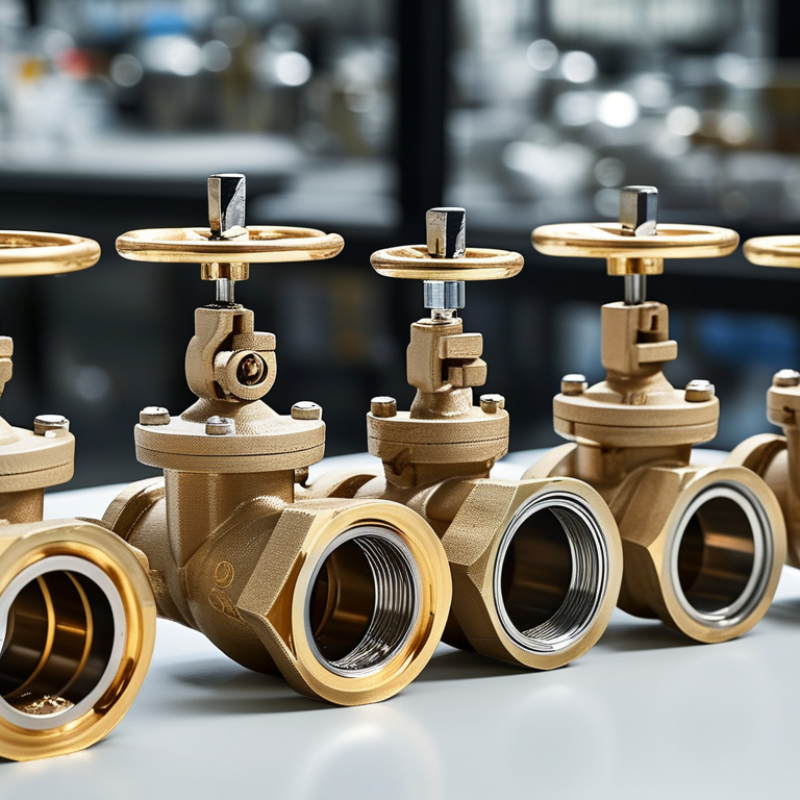
Define Valve Requirements and Operating Conditions
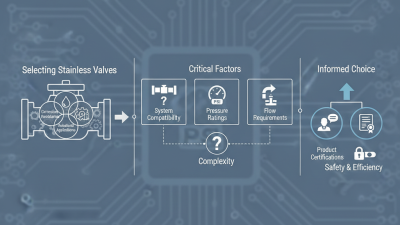
Choosing a stainless steel valve starts with defining the service, not browsing a catalog. Record the fluid, temperature, pressure, flow rate, and pipe size. Note whether the medium contains chlorides, abrasive particles, or cleaning chemicals. These details shape the valve body, trim, seat, and connection design. A valve for chilled water may fail quickly in a hot, corrosive process. I have seen specifications omit pressure during startup. That small gap can distort the entire selection.
Operating conditions also include cycling frequency, installation position, and available actuation power. A manually operated valve might suit an isolated line, while a frequently adjusted line needs controlled actuation. Check the required shutoff class and expected differential pressure. Do not assume stainless steel solves every corrosion problem. Grade selection depends on chemistry, concentration, temperature, and exposure time. Get material compatibility checked by a qualified engineer when the fluid is uncertain. It is safer to question a familiar specification.
Write the requirements in measurable terms. Specify normal and maximum pressure, design temperature, leakage tolerance, end connections, and inspection needs. Consider maintenance access before approving the layout. A compact valve can be difficult to service beside insulation or a pump. Leave room for tools. Also verify whether the valve must drain, vent, or resist outdoor moisture. Field conditions often differ from drawings, so review the selection against actual operating records before ordering.
7 Tips for Choosing Stainless Steel Valves - Define Valve Requirements and Operating Conditions
| Tip | Requirement to Define | Key Operating Data | Suitable Stainless Steel Considerations | Selection Guidance | Verification |
|---|---|---|---|---|---|
| 1 | Identify the fluid | Chemical composition, concentration, chlorides, solids, viscosity, toxicity, and cleanliness requirements. | 304 stainless steel is commonly used for many clean-water and general-service applications. 316 stainless steel provides improved resistance to chlorides and many corrosive environments because of its molybdenum content. | Do not select material from the fluid name alone; evaluate the complete chemistry and contamination risk. | Review the chemical compatibility data and applicable corrosion requirements. |
| 2 | Define pressure and temperature | Normal, minimum, and maximum pressure; design pressure; operating temperature; start-up and shut-down conditions. | Valve pressure capability decreases as temperature rises. Pressure ratings must be checked for the actual material, pressure class, end connection, and temperature. | Choose a valve with a rated pressure-temperature envelope that exceeds the full design range, including transient conditions. | Compare the manufacturer’s pressure-temperature table with the system design conditions. |
| 3 | Select the correct valve function | Isolation, throttling, non-return, pressure control, emergency shutoff, or hygienic service. | Ball and gate valves are generally used for isolation. Globe and specially designed control valves are intended for regulating flow. Check valves prevent reverse flow. | Avoid using an isolation valve for continuous throttling unless it is specifically designed and rated for that duty. | Confirm the required flow-control behavior, shutoff direction, and allowable pressure loss. |
| 4 | Determine size and flow capacity | Pipe size, required flow rate, allowable pressure drop, flow velocity, and fluid phase. | Valve size should be based on flow capacity and system hydraulics, not only on the connected pipe diameter. Oversizing may reduce controllability; undersizing may create excessive pressure loss. | Use the valve flow coefficient, commonly expressed as Kv or Cv, together with the fluid properties and design flow. | Check the calculated pressure drop and verify that the selected valve meets the required capacity. |
| 5 | Evaluate corrosion and material compatibility | Chloride level, pH, oxidizing or reducing conditions, crevice exposure, outdoor atmosphere, and cleaning chemicals. | 316/316L stainless steel generally offers better chloride resistance than 304/304L. Low-carbon grades such as 304L and 316L can help reduce sensitization risk after welding. | Stainless steel is not universally corrosion-proof; pitting and crevice corrosion can occur in chloride-containing environments. | Obtain a corrosion assessment for severe, hot, concentrated, or mixed-chemical services. |
| 6 | Choose end connections and installation layout | Flanged, threaded, socket-weld, butt-weld, or sanitary connection; available space; maintenance access; piping standard. | Welded connections can reduce leak paths, while flanged connections simplify removal. Threaded connections are often used on smaller sizes but require compatible materials and correct sealing practice. | Match the valve ends to the pipe schedule, flange standard, pressure class, gasket, and installation orientation. | Check dimensional drawings, face-to-face dimensions, access for operation, and drain or vent requirements. |
| 7 | Specify actuation, sealing, and maintenance needs | Manual or automated operation, cycle frequency, fail position, available air or electrical supply, leakage class, and service interval. | Seat and stem materials must suit the fluid and temperature. PTFE is widely used for many moderate-temperature services, while metal seats or engineered polymers may be required for demanding applications. | Specify torque, actuator safety position, feedback, enclosure rating, emissions requirements, and replacement-part availability. | Review the datasheet, actuator sizing calculation, leakage standard, inspection records, and applicable industry code. |
Note: Final valve selection should be confirmed against the applicable piping code, pressure-temperature rating, fluid compatibility data, and project specifications.
Select the Right Stainless Steel Grade
Choosing a stainless steel valve starts with the fluid, temperature, pressure, and surrounding environment. A polished surface alone does not prove suitability. In field inspections, valves exposed to salt spray often show damage around threads, stems, and poorly drained pockets.
Grade 304 works well for clean water, dry air, and many indoor services. However, chloride can attack it, especially when moisture remains trapped. Grade 316 or 316L usually offers stronger resistance because molybdenum improves protection against pitting. It is not immune. Warm, concentrated chlorides can still cause failure.
Temperature matters too. Some services require a low-carbon grade to reduce weld-related corrosion risks. Duplex stainless steel may suit demanding pressure or chloride conditions, but its fabrication and inspection requirements are stricter. Ask for material certificates, pressure ratings, and test records. Do not rely on a sales description alone.
Check every wetted component, including the ball, stem, seat, bolts, and drain plug. A 316 body cannot compensate for a weaker internal part. This is easy to miss. I have seen specifications identify the body grade while ignoring fasteners. That shortcut deserves a second look. When the fluid composition is uncertain, obtain a laboratory analysis before selecting the final grade.
Match Valve Design to Fluid and Pressure
7 Tips for Choosing Stainless Steel Valves
Match valve design to the fluid, pressure, temperature, and operating cycle. World Stainless reported 58.4 million tonnes of crude stainless steel production in 2023. That scale reflects stainless steel’s importance, but it does not make every grade suitable. Chlorides can attack 304 stainless steel, especially in warm, stagnant water. For seawater, chemical dosing, or acidic cleaning fluids, verify corrosion data before selecting 316L or a higher-alloy option. Do not guess.
Pressure tells only half the story. Check working pressure at the actual operating temperature, not at room temperature. ASME B16.34 requires pressure-temperature ratings for many industrial valve designs. A valve rated for 1,000 psi may carry less pressure at elevated temperatures. Specify both normal and surge pressure. Water hammer can damage a valve faster than steady pressure. Slow-closing actuators may help.
Match the internal design to flow behavior. Ball valves suit tight shutoff, while globe valves provide better throttling control. Butterfly valves can reduce weight in large pipelines, but disc clearance matters near elbows and pumps. Select compatible seals, stem materials, and end connections. ISO 5208 testing can verify leakage performance. The U.S. Department of Energy reports that poorly controlled pumping systems can waste substantial energy through throttling. I have seen specifications focus on body material while ignoring gasket compatibility. That mistake is easy to repeat. Review the fluid composition, pressure history, maintenance access, and test records before approval.
Verify Standards, Performance, and Compatibility
7 Tips for Choosing Stainless Steel Valves
Verify the governing standard before comparing prices. ASME B16.34 defines pressure-temperature ratings, materials, and testing requirements for many industrial valves. ISO 5208 classifies shell and seat leakage, but “tested” does not mean zero leakage. Ask for the exact leakage rate, test medium, and certificate. A missing document is a warning sign.
Match the valve body, trim, and seals to the process. Chlorides can attack stainless steel, especially in warm, stagnant zones. The NACE IMPACT study estimated corrosion costs at 3.4% of global GDP, or about $2.5 trillion annually. That figure is broad, yet it explains why compatibility deserves more attention. Check fluid chemistry, concentration, temperature, pressure, and velocity. Then compare them with the manufacturer’s material data. Do not assume a shiny body proves chemical resistance. It does not. Confirm the correct stainless grade, seat material, connection type, and pressure class. Small details matter.
Evaluate performance under real operating cycles, not only catalog conditions. Review torque, actuation speed, cavitation risk, fire requirements, and maintenance access. For compressed-air service, the U.S. Department of Energy reports that leaks may waste 20–30% of system capacity. A poorly sealed valve can quietly increase that loss. Request cycle-test results and traceable inspection records. I would also inspect one sample personally, because paperwork can miss rough machining or damaged threads. That extra check may feel excessive, but field failures are rarely convenient.
Compare Maintenance Needs, Costs, and Supplier Quality
Tip 1: Compare maintenance access before comparing prices. A valve with removable packing and reachable bolts can reduce shutdown time. Check stem alignment, seat replacement steps, and cleaning space around the body. Tip 2: Review the fluid and operating cycle carefully. Corrosive liquids, high temperatures, and frequent cycling demand suitable stainless steel grades and seals. A cheaper specification may fail early.
Tip 3: Estimate total cost, not only purchase cost. Include installation labor, spare seats, packing, inspection, and energy loss from leakage. Small leaks matter. Tip 4: Ask for pressure-test records and material certificates. Reliable documentation should identify the alloy, heat number, test pressure, and inspection date. Standards such as API 598 or ASME B16.34 can support a consistent review.
Tip 5: Examine supplier quality controls. Look for traceability from raw material to final testing, not attractive claims alone. Tip 6: Confirm practical support. Clear drawings, maintenance instructions, replacement-part availability, and responsive technical staff can prevent expensive delays. In real projects, this support is sometimes valued too late.
Tip 7: Inspect a sample valve when possible. Check casting surfaces, thread quality, handwheel movement, and packing compression. I would not treat a polished finish as proof of quality. It can hide weak inspection practices. Supplier evaluation also deserves honest reflection: delivery history, documented failures, and corrective actions may reveal more than a low quotation.
Related Posts
-
Top Stainless Steel Valves Types and Their Applications?
-
Why Are Stainless Steel Valves Essential for Your Plumbing Needs?
-
Top 5 Benefits of Using Stainless Valves in Industrial Applications for Longevity
-
How to Choose the Best Stainless Valves for Your Needs?
-
Top Stainless Valves for Global Buyers in 2026?
-
What is a Gate Valve and How Does It Work?