Quality Products

At a Fair Price

Wholesale Provider

Of Valves & Fittings

  • Corporate Office: 1301 Greengrass Drive Houston, TX 77008
  • 1-800-237-2512

Quality Products

At a Fair Price

Wholesale Provider

Of Valves & Fittings

What Are the Top Types of Titan Valves?

Choosing the right valve is not just a matter of matching pipe size. Flow direction, pressure, temperature, and the material being handled all affect performance. This guide introduces the main types of titan valves and explains what each design is built to do. Small details matter.

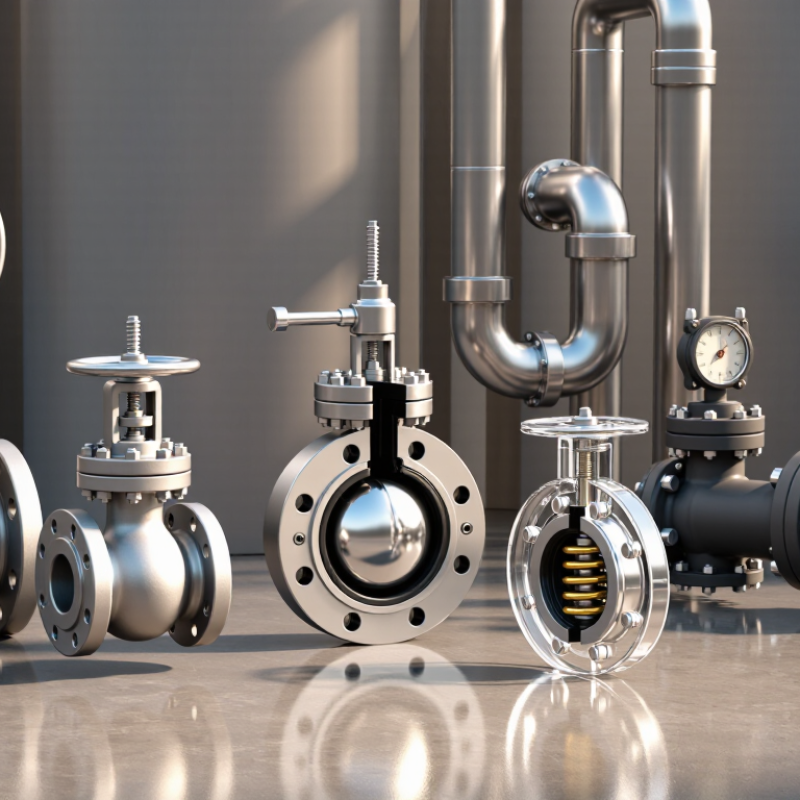
Gate valves are commonly used for straightforward on-off service, while globe valves allow more controlled flow adjustment. Ball valves offer quick quarter-turn operation, and butterfly valves can suit larger pipes where compact designs are useful. Check valves help prevent reverse flow without requiring manual operation. Relief and control valves serve more specialized roles, including pressure protection and automated regulation.

The names sound simple. Real applications are not. A valve that works well with clean water may perform differently with abrasive fluids, high heat, or frequent cycling. Materials, seals, connections, and maintenance access deserve close attention, too. In some catalogs, product labels and category boundaries can vary, so readers should verify specifications rather than rely on a name alone.

The sections ahead compare common valve types, describe their typical strengths, and note where each may fall short. They also outline practical selection questions for buyers and maintenance teams. No single design suits every system. The best choice depends on operating conditions and manufacturer data, which should be reviewed before installation.
What Are the Top Types of Titan Valves?

Titanium Valve Materials: ASTM Grade 2 Has a 345 MPa Minimum Tensile Strength

Titan valves commonly include ball, gate, globe, check, and butterfly designs. Their shapes serve different jobs: a ball valve turns flow on or off quickly, while a globe valve offers more control. Material choice matters just as much. ASTM B348/B348M specifies a minimum tensile strength of 345 MPa for Grade 2 titanium. That figure describes resistance to pulling forces in a standard material test. It does not, by itself, define a valve’s safe working pressure.

Grade 2 is commercially pure titanium, valued for corrosion resistance and useful strength in many industrial fluids. ASTM material requirements provide a practical baseline, but engineers still need to check the product form, temperature, pressure, and fluid chemistry. A valve body may be cast, forged, or machined, and its relevant specification can differ.

Not a guarantee. For pressure-boundary design, ASME B16.34 provides requirements for valve ratings and construction; its tables and rules should guide selection alongside the material specification.

Picture a valve handling warm seawater: strength is only one concern, while corrosion, joints, and operating cycles also affect service life.

The 345 MPa value is useful. It is not the whole story.

Titanium Ball Valves: 90° Rotation Enables Rapid Shutoff

A titanium ball valve closes with a quarter-turn: the ball’s bore rotates 90 degrees until it sits across the flow path. That short movement supports rapid shutoff and makes position easy to see on a manual handle. In practice, response time still depends on valve size, actuator, pressure, and operating torque. A large valve under pressure may not feel effortless.

Material data matters too. ASM International’s materials-property references place commercially pure titanium’s density near 4.51 g/cm³, compared with about 7.85 g/cm³ for carbon steel. For similar body dimensions, titanium can reduce body weight, though the full valve assembly may differ. Its corrosion performance can suit demanding services, but it is not universal protection. Seat compatibility matters. So do temperature and the fluid itself. API 598 and ISO 5208 describe valve inspection and pressure-testing practices; buyers should check test records for the actual valve and service conditions.

One caution: closing any quarter-turn valve too quickly can create pressure surges in some piping systems. Fast is useful, but not always gentle.

Titanium Butterfly Valves: Quarter-Turn Discs Suit Large-Bore Lines

Titanium butterfly valves use a disc that rotates a quarter turn to open or close the flow. The movement is simple and quick. In a large-bore line, a compact valve body can be easier to fit than some bulkier designs. Titanium also offers useful corrosion resistance in many demanding service conditions, while keeping the assembly relatively light. Picture a wide pipe in a coastal process area: less valve mass can make supports and handling easier. But “lightweight” does not mean maintenance-free.

The disc remains in the flow path when open, so it can create pressure loss. These valves often suit isolation and moderate flow control, but they may not provide precise throttling in every service.

Check the fluid, pressure, temperature, seat material, and operating cycle before selection. Actuator sizing matters too, especially when deposits or changing flow conditions increase torque.

Not every line needs one. The right choice depends on the whole system, not just the pipe diameter. That detail is easy to overlook, and it deserves a closer review before installation.

Titanium Gate and Globe Valves: Isolation Versus Throttling

Titanium gate and globe valves serve different duties, although both may handle corrosive process fluids. A gate valve is primarily an isolation device. Its wedge or slab lifts clear of the passage when open, creating a relatively unobstructed route. That design helps keep pressure loss modest in a straight pipeline. Use it fully open or fully closed. Sustained throttling is a poor fit: fast flow through a partly open valve can wear seating surfaces and cause vibration.

A globe valve offers more controlled throttling. Turning the handwheel moves a plug or disc toward or away from its seat, adjusting the opening in measured increments. The flow usually changes direction inside the body, so pressure drop is higher than through a fully open gate valve. Small adjustments matter. Not interchangeable. Globe valves suit lines where operators regulate flow rather than simply stop it. Frequent adjustment still calls for suitable trim and inspection.

Titanium can resist many corrosive environments, but the material name alone does not confirm compatibility. Fluid chemistry, temperature, pressure, and seat materials all affect service life. Match selection to operating data and the required control range. A globe valve may be excessive when tight isolation is all the line needs. It is easy to over-focus on corrosion resistance.

What Are the Top Types of Titan Valves? - Titanium Gate and Globe Valves: Isolation Versus Throttling

Comparison Dimension Titanium Gate Valve Titanium Globe Valve
Primary function On/off isolation: intended to be fully open or fully closed. Flow regulation and shutoff: designed to control flow by changing the opening.
Typical closure motion A gate moves up or down across the flow path. A disc or plug moves toward or away from a seat, usually along the flow path.
Flow path when fully open Generally offers a relatively straight-through path with little obstruction. Flow changes direction within the body, creating more resistance than a comparable full-open gate valve.
Throttling suitability Not generally recommended for sustained throttling; partial opening can cause vibration, erosion, and seat or gate damage. Well suited to throttling when the valve is selected and sized for the required control conditions.
Pressure drop Typically low when fully open; rises considerably when the gate is partly open. Typically higher than a comparable fully open gate valve because of the more tortuous flow path.
Shutoff performance Provides isolation when correctly specified and installed; the achievable leakage class depends on its design and applicable specification. Can provide shutoff as well as regulation; seat design and specified leakage requirements determine performance.
Operating characteristics Often requires multiple handwheel turns or an actuator stroke to move between open and closed positions. Offers more gradual adjustment of flow; operating torque and response depend on size, pressure, trim, and actuator.
Common applications Pipeline sections and equipment connections that need dependable isolation with minimal resistance when open. Process lines requiring flow adjustment, pressure control, or frequent changes in flow rate.
Titanium material considerations Titanium may be selected for its corrosion resistance in suitable services, including certain seawater and chemical environments. Compatibility depends on the exact titanium grade, fluid chemistry, temperature, concentration, velocity, and valve construction; confirm suitability for the specific application.
Selection guideline Choose when the main requirement is full-open or full-closed isolation and low resistance in the open position. Choose when the main requirement is controlled flow or repeated adjustment, and account for the associated pressure drop.

Note: Performance depends on valve design, size, pressure rating, trim, titanium grade, and service conditions. Verify operating limits and material compatibility against the project specification.

Titanium Check Valves: Automatic Closure Prevents Reverse Flow

Titanium check valves close without an operator when reverse pressure pushes the disc or poppet against its seat. Simple action. In a seawater cooling line, this can stop a pump shutdown from sending water back through the pipe. Titanium alloys are valued in some corrosive services, but the valve’s suitability depends on fluid chemistry, temperature, pressure, and internal components—not body material alone.

NACE International’s IMPACT study estimated corrosion costs at US$2.5 trillion worldwide, or 3.4% of global GDP, and reported that corrosion-control practices could save 15–35% of those costs. This is an economy-wide estimate, not a prediction of savings from titanium valves. Selection still matters: a swing check valve may suit a larger line, while a spring-loaded design can close quickly in compact installations. Check the required flow rate, cracking pressure, and allowable pressure drop against the system’s operating data. Fast closure is not always better; it can create damaging pressure surges. Seat wear, debris, and installation orientation also deserve attention. I would verify those details with the valve supplier and project engineer before specifying a model.

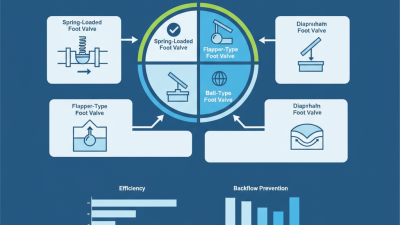
Top Types of Titanium Check Valves

Typical number of primary closing elements in common check-valve designs

Check valves open for forward flow and close automatically to help prevent reverse flow. Swing, lift, and ball designs typically use one closing element; dual-plate designs use two plates. Construction can vary by model and application.

Top
error: Content is protected !!