Top 5 Stainless Steel Valves and Fittings Buyers Should Know?
In the world of industrial design, stainless steel valves and fittings are crucial. Experts like John Smith, a leading authority in this field, once stated, "Quality stainless steel components ensure durability and reliability in various applications." This underscores the importance of understanding these components thoroughly.
Choosing the right stainless steel valves and fittings can be overwhelming. The market is flooded with options, each claiming to offer superior performance. However, not all products are created equal. Some may lack the necessary certifications or fail under pressure. Buyers must be diligent and informed.
It’s essential to weigh various factors when selecting these components. Factors like corrosion resistance, pressure ratings, and compatibility are vital. Always ask questions. The right choice today can prevent costly failures tomorrow. Overall, balancing quality and affordability in stainless steel valves and fittings is not just a choice; it’s a necessity.
Understanding the Importance of Stainless Steel Valves and Fittings
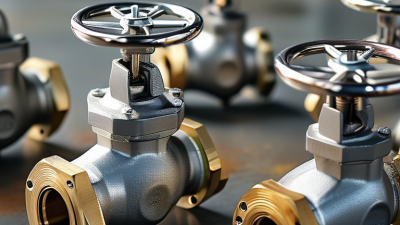
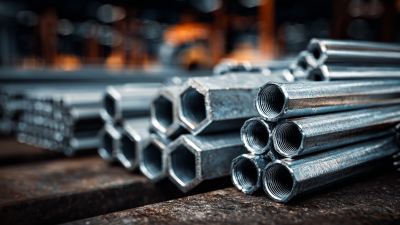
Stainless steel valves and fittings play a crucial role in various industries. They are essential for controlling the flow of liquids and gases. Their durability and resistance to corrosion make them a popular choice. In environments where cleanliness and hygiene are paramount, stainless steel is often preferred. This material resists rust, ensuring safe and efficient operation over time.
Many buyers overlook the importance of valve and fitting selection. Choosing the right type can affect system efficiency. For example, poorly designed valves may lead to leaks or pressure drops. It is essential for buyers to consider the specific application and operating conditions when making their selections. The right fit can improve longevity and reduce maintenance costs.
Understanding the manufacturing process is also important. Not all stainless steel is created equal. Variations in composition can impact performance. Buyers must be informed about the quality and specifications of the products they choose. Overall, being aware of these details contributes to smarter purchasing decisions. This approach helps in building a reliable and effective system for varied applications.
Key Features to Consider When Choosing Stainless Steel Valves
When selecting stainless steel valves and fittings, it's crucial to focus on several key features. The material's grade is paramount. Higher grades, like 316, offer better corrosion resistance. This feature is vital for applications in harsh environments, such as chemical processing or marine settings. Choosing the right grade can significantly impact the long-term performance of your system.
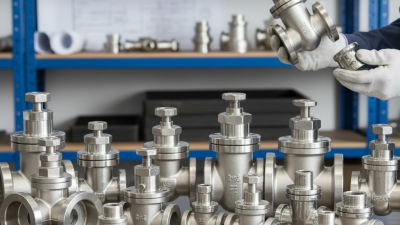
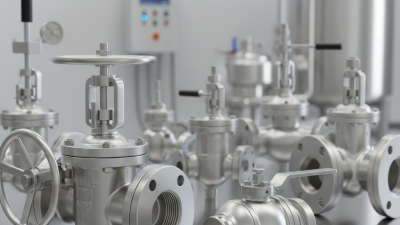
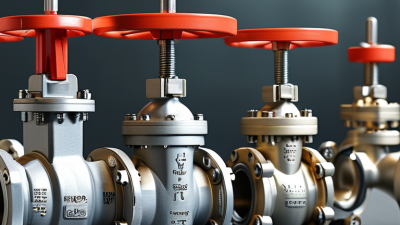
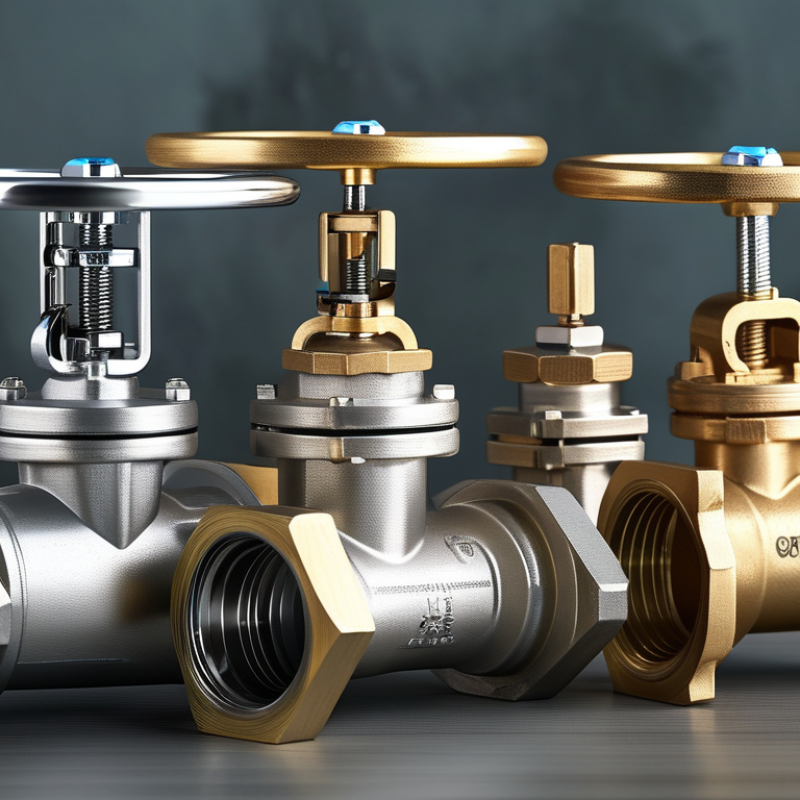
Another significant aspect is the valve type. Different applications require various types, such as ball valves, gate valves, or check valves. Each type provides unique advantages. Understanding these differences is essential for making informed choices.
Pressure ratings also matter. Select valves and fittings that can handle the specific pressures of your application. Ensure they meet or exceed required specifications.
Hand-feel is often overlooked. A smooth finish can enhance user experience and prevent injuries during installation. Testing for leaks is also necessary for reliability. Sometimes, new fittings may have manufacturing flaws.
Examining these details critically helps ensure that you obtain high-quality products. Reflecting on these features can lead to smarter purchases. Always consider both the initial cost and the long-term reliability of the valves and fittings.
Top Stainless Steel Valve Manufacturers in the Market
When exploring the stainless steel valve market, understanding the top manufacturers is essential. These companies play significant roles in producing reliable valves and fittings. Their expertise ensures that industries from construction to chemical processing can operate smoothly. Many top manufacturers focus on advanced manufacturing techniques, resulting in higher resistance to corrosion and improved durability.
It is crucial to examine product certifications. Ensure that the valves meet industry standards. This can prevent potential failures in critical applications. Pay attention to the warranty offered by the manufacturers as well. A solid warranty reflects confidence in the product quality. Conducting research into the manufacturer’s history can also provide insights into their reliability.
Consider the availability of customer support. Good manufacturers should offer assistance, including installation and maintenance guidance. Evaluating user reviews can provide firsthand experiences. It’s important to weigh both positive and negative feedback. This balanced view can help in making an informed purchase. Investing time to understand the manufacturers can lead to better choices and long-term satisfaction.
Common Applications of Stainless Steel Fittings and Valves
Stainless steel fittings and valves are essential in various industries due to their durability and resistance to corrosion. Common applications include oil and gas, food and beverage, and pharmaceuticals. In the oil and gas sector, stainless steel valves withstand high pressure and temperature conditions. According to a report by MarketsandMarkets, the global stainless steel market is projected to reach 45 million metric tons by 2025. This growth highlights the increasing demand for reliable components in critical applications.
In the food and beverage industry, stainless steel fittings ensure hygiene and safety standards. They prevent contamination, making them ideal for processing and distributing consumables. The USDA and FDA both recommend stainless steel for food handling. Its easy-to-clean surface reduces the risk of bacterial growth. However, not all stainless steel is equal. Differences in grades can affect performance. For example, 304 stainless steel is widely used, but 316 offers better corrosion resistance, especially in salty environments.
Pharmaceutical applications require strict adherence to sanitary standards. Stainless steel valves help maintain sterile conditions in production processes. As per a report from Research and Markets, the pharmaceutical fittings market is expected to grow by 6.5% annually. This reflects the ongoing need for stainless steel solutions in maintaining product integrity. Investing in the right materials is crucial, and buyers must understand their specific requirements to select appropriate products.
Maintenance Tips for Longevity of Stainless Steel Valves and Fittings
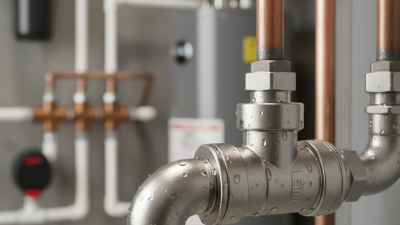
Stainless steel valves and fittings are popular in various industries due to their durability and resistance to corrosion. To ensure their longevity, regular maintenance is crucial. Begin with routine inspections. Check for any signs of wear or corrosion. Look for leaks and ensure all connections are secure. A simple visual check can prevent more significant issues.
Cleaning is another essential aspect. Use a soft cloth or sponge with mild detergents. Avoid harsh chemicals that can damage the surface. Rinse thoroughly to eliminate any residue. In some cases, applying a protective coating can enhance their lifespan. Regular lubrication of moving parts can minimize friction and wear, improving performance.
Paying attention to environmental factors is vital. Ensure valves and fittings are not exposed to extreme temperatures or harsh conditions. Store them in a dry place if not in use. Keep a maintenance log to track inspections and servicing. This proactive approach can help identify potential problems early. Being diligent can save time and costs in the long run.
Top 5 Stainless Steel Valves and Fittings: Key Considerations and Maintenance Tips