Quality Products

At a Fair Price

Wholesale Provider

Of Valves & Fittings

  • Corporate Office: 1301 Greengrass Drive Houston, TX 77008
  • 1-800-237-2512

Quality Products

At a Fair Price

Wholesale Provider

Of Valves & Fittings

What Are the Different Types of Valves and Fittings?

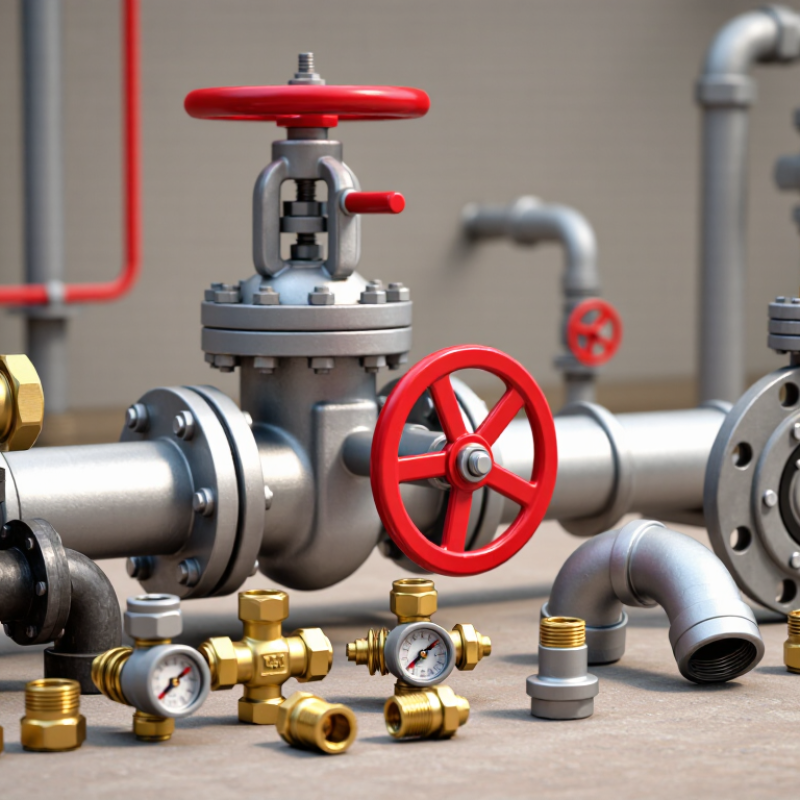
Pipes rarely work alone. Valves regulate flow, isolate sections, or prevent unwanted backflow. Fittings join, branch, reduce, or redirect the pipework. Together, valves fittings form a practical part of systems carrying water, air, or other compatible fluids. Their shapes may look simple, yet a small mismatch can cause leaks, restricted flow, or difficult maintenance.

Common valve types include gate, ball, globe, butterfly, check, and pressure-relief valves. Each works differently. A ball valve turns a drilled sphere to open or close flow, while a globe valve is often used for more controlled adjustment. Check valves respond to flow direction rather than a handwheel. Fittings also vary: elbows change direction, tees create branches, couplings join pipe ends, and reducers connect different sizes. Small details matter. A fitting that looks right may still have the wrong thread, material, or pressure rating.

Choosing components starts with the actual system, not appearance alone. Consider fluid compatibility, temperature, operating pressure, pipe size, connection style, and access for future repairs. A maintenance worker checking a cramped plant room may value a clear handle position as much as a compact design. Product specifications and qualified technical advice can help confirm a selection. This overview introduces the main types and their uses, but it cannot replace checking site conditions. That distinction is easy to overlook.
What Are the Different Types of Valves and Fittings?

How Valves and Pipe Fittings Differ

Valves and pipe fittings both connect to a piping system, but they do different jobs. A valve controls flow. It can start or stop water, reduce its rate, or direct it through another route. For example, a quarter-turn handle may shut off a branch line beneath a sink. Some valves also regulate pressure or prevent backflow, depending on their design.

A fitting changes the pipe’s path, size, or connection. Elbows turn a line around a corner, tees create a branch, and reducers join pipes of different diameters. Most fittings do not control flow by themselves. That distinction matters when inspecting a system: a tee may divide the route, but it cannot isolate one branch for repair. Small detail. In practice, casual shop talk sometimes blurs the terms, and a component’s exact role depends on its design. Check the flow direction, pressure rating, material compatibility, and connection type before installation. A valve fitted backward, or a fitting mismatched to the pipe, can cause leaks or poor operation. I still find labels less useful than looking at what the part actually does.

How Valves Control Flow and Pressure

Valves control flow by changing the opening available to a moving fluid. A control valve may narrow its internal passage, increasing resistance and reducing downstream flow. A pressure-reducing valve responds to downstream pressure, adjusting its opening to hold pressure near a set point. Relief valves work differently: they open when pressure rises beyond a chosen limit. Small changes matter.

At a pump line, a partly closed valve can create a clear pressure drop across its body. That drop may help control flow, but it also dissipates energy as heat and turbulence. Fittings such as elbows and reducers add resistance too, so their placement and size affect the pressure a valve must manage. Field behavior is messier. Wear, trapped air, or a faulty gauge can make the measured pressure misleading.

The U.S. Department of Energy’s Improving Pumping System Performance sourcebook reports that pumping systems use nearly 20% of global electrical energy demand. It also reports that pumps can account for 25–50% of energy use in some industrial plant operations. These figures show why valve selection and adjustment deserve care. A valve that is too small may restrict flow; one that is oversized may operate poorly at low openings. Measure pressure on both sides, check the operating conditions, and avoid relying on handwheel position alone.

What Are the Different Types of Valves and Fittings? — How Valves Control Flow and Pressure

Valves regulate flow and pressure; fittings connect, redirect, or adapt piping. This chart compares three normalized, idealized valve flow characteristics at a constant pressure drop. Actual performance varies by valve design and operating conditions.

The Main Types of Valves and Their Functions

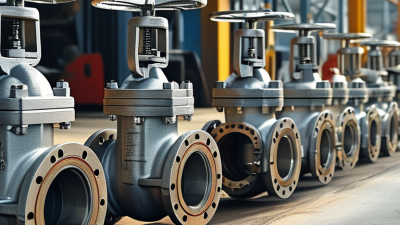
Gate valves isolate a line, while globe valves provide finer flow control. Ball valves open or close quickly with a quarter-turn, making them useful near pumps and equipment. Check valves stop reverse flow, and butterfly valves offer compact control in larger pipes. Pressure-relief valves open when system pressure exceeds a set limit. Each design has trade-offs; a quick shutoff is not always the best choice for frequent throttling.

The U.S. Department of Energy’s Improving Pumping System Performance sourcebook reports that pumping systems use nearly 20% of global electricity. It also notes they can account for 25–50% of energy use in some industrial operations. A poorly selected control valve can add resistance and increase pump workload. A common field mistake is choosing by pipe size alone. Pressure, temperature, fluid properties, and required flow all matter. That rule has limits, so confirm operating conditions before specifying a valve.

Tips: Check the flow direction before installing a check valve. Verify pressure ratings against the system’s actual operating range. Good fit matters. Avoid using a partly open isolation valve for routine flow control; it may wear faster and waste energy.

Common Pipe Fittings and Their Uses

Common Pipe Fittings and Their Uses

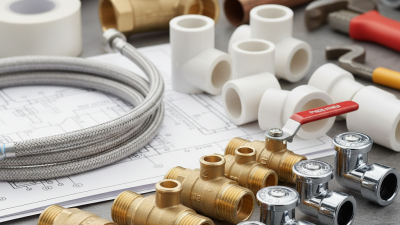
Pipe fittings shape a system’s route, connect sections, and help control changes in pipe size. An elbow redirects flow around a corner; a 90-degree turn is common, but it can increase resistance. A tee creates a branch, useful when one line supplies a fixture or another section of pipe. Small parts matter.

Couplings join two pipe ends, while unions allow a connection to be taken apart for maintenance. Reducers connect pipes of different diameters. That change should be planned carefully: a poorly chosen reducer can affect flow or create an awkward installation. Caps close pipe ends, and plugs seal openings in fittings. Flanges use bolts and a gasket to connect equipment or pipe sections that may need future access.

Selection depends on the pipe material, fluid, temperature, pressure, and connection method. A threaded fitting, for example, may not suit every material or service condition. Check the system specifications and applicable installation requirements before assembly. It is easy to focus on the fitting’s shape and overlook compatibility; that detail deserves a second look.

What Are the Different Types of Valves and Fittings? — Common Pipe Fittings and Their Uses

Category Type Main Function Common Uses Practical Note
Valve Gate valve Starts or stops flow using a gate that moves across the flow path. Isolation in water, utility, and process piping. Designed mainly for fully open or fully closed service, not regular throttling.
Valve Globe valve Regulates flow as a movable disc changes the opening inside the valve. Flow control in utility and process lines. Provides good throttling control but generally causes more pressure drop than a full-bore valve.
Valve Ball valve Uses a rotating ball with a bore to open or shut the flow path. Shutoff service in water, air, and many compatible process-fluid systems. Typically operates with a quarter-turn; verify materials and seals are suitable for the fluid and temperature.
Valve Butterfly valve Controls flow with a disc that rotates within the pipe. Large-diameter water, HVAC, and general process lines. Compact and lightweight; the disc remains in the flow path when open.
Valve Check valve Allows flow in one direction and helps prevent reverse flow. Pump discharge lines and systems where backflow could cause problems. Choose a design suited to the flow rate, orientation, and risk of water hammer.
Valve Needle valve Provides fine flow adjustment using a tapered stem. Instrument lines, sampling points, and low-flow control. Commonly used for precise adjustment rather than high-volume flow.
Valve Pressure-relief valve Opens at a set pressure to relieve excess pressure. Pressure protection for vessels and piping systems, where appropriate. Selection, installation, and testing should follow applicable codes and system requirements.
Fitting Elbow Changes the direction of a pipe run. Routing around obstacles or changing direction at a junction. Common angle options include 45 and 90 degrees; the fitting radius affects flow and space needs.
Fitting Tee Connects a branch to a main pipe run. Creating a branch line for distribution or process connections. A straight tee has equal-size openings; a reducing tee has a smaller branch opening.
Fitting Reducer Connects pipes of different diameters. Transitioning between pipe sizes in a line. Concentric and eccentric designs suit different layout and drainage needs.
Fitting Coupling Joins two pipe ends, usually in a straight run. Connecting pipe sections of the same nominal size. Connection style and pressure rating must match the pipe system.
Fitting Union Joins two pipe sections while allowing later disconnection. Equipment connections and locations that may need maintenance. Useful where a permanent joint would make removal difficult.
Fitting Flange Connects pipes, valves, or equipment with bolted faces and a gasket. Industrial piping and equipment connections that may require inspection or removal. Flange dimensions, pressure class, facing, and gasket must be compatible.
Fitting Cap or plug Closes the end of a pipe or fitting opening. Sealing a line end, branch, or unused connection. Caps fit over a pipe end; plugs typically fit into a threaded opening.

Materials, Connections, and Selection Factors

Valve and fitting choices start with the fluid, temperature, and pressure in the system. Brass, stainless steel, and polymers each suit different conditions, but no material is universally reliable. A corrosive cleaning solution may attack a metal that performs well with water. Plastic bodies can resist some chemicals, yet temperature and pressure limits still matter. Check compatibility data for the exact fluid and operating range. Small details matter.

Connection style affects installation and future maintenance. Threaded joints are compact and useful on smaller lines, but sealing depends on correct thread preparation and careful tightening. Flanged connections make inspection or replacement easier, though they need space and properly matched gaskets. Welded joints can provide a permanent, compact connection when installed and inspected correctly. Compression fittings are convenient for some tubing, but tube size and surface condition must match the fitting.

Choose a valve by its job: isolation, flow regulation, or preventing backflow. A ball valve often provides quick shutoff, while a globe-style valve can offer finer control. Verify pressure ratings, temperature limits, flow requirements, and connection dimensions together. Also consider access for tools, replacement parts, and routine inspection. A specification can look complete on paper yet overlook cramped installation space. That deserves a second look.

Top
error: Content is protected !!