How to Choose the Right Crane Valves for Your Needs?
Choosing the right crane valves is crucial for ensuring efficiency and safety in any project. The variety of crane valves available can be overwhelming. Different projects have distinct requirements that influence this choice.
When selecting crane valves, consider factors such as pressure ratings and flow rates. These specifications will impact the performance of your system. It's important to consult with experts to identify the best options for your situation. Miscommunication can lead to costly mistakes, so clarity is essential.
However, even experienced professionals face challenges in making the right choice. It may take time to fully understand the trade-offs among different valve types. Taking the time to research and seek advice can help prevent future failures. Ultimately, the right crane valves contribute not only to operational success but also to long-term reliability.
Understanding the Different Types of Crane Valves Available in the Market
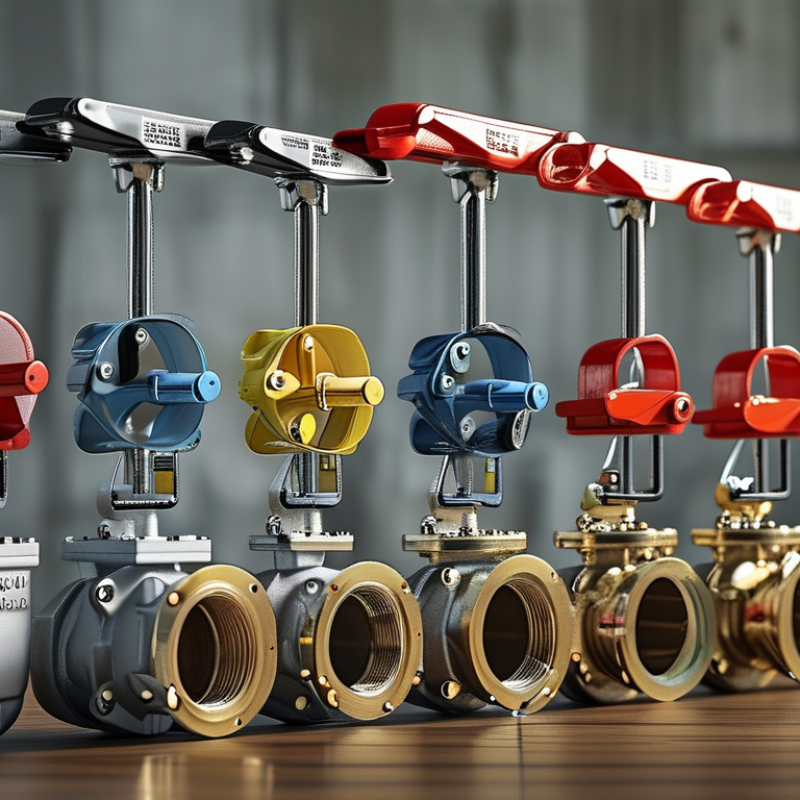
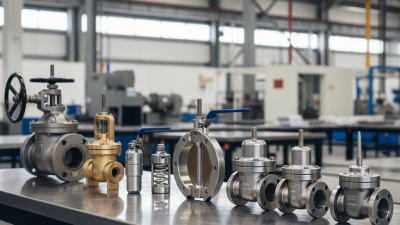
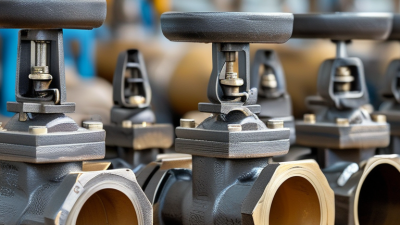
Choosing the right crane valves can be daunting. Understanding the various types available is crucial for effective selection. Crane valves come in different styles, each designed for specific applications. The most common types include gate valves, globe valves, and ball valves. Each type serves a unique purpose and has distinct operating features.
Gate valves provide an excellent seal but are not suitable for throttling flow. Globe valves excel in flow regulation but often have higher pressure drops. Ball valves offer quick shut-off capabilities and minimal resistance, making them versatile for many applications. When selecting a valve, consider the nature of the fluid, pressure, and temperature conditions.
To ensure you choose wisely, take time to assess your needs. Evaluate the materials used in the valve construction. Corrosive substances require special materials to ensure longevity. Don't overlook the valve's size and compatibility with existing systems. A mismatch can lead to inefficiencies or even failures. Always consult with industry professionals when in doubt; their insights can prevent costly mistakes.
Key Factors to Consider When Selecting Crane Valves for Your Application
Choosing the right crane valves for your application is crucial. Various factors influence this decision. First, identify the specific requirements of your system. Different applications require different types of valves. According to industry reports, improper selection can lead to inefficiencies, costing businesses up to 20% more in maintenance and operational expenses.
Material compatibility is another key factor. Valves must withstand the chemicals and temperatures of your environment. For instance, stainless steel valves are essential in corrosive environments. A report from the International Journal of Mechanical Engineering highlights that 30% of operational failures are due to material degradation. Therefore, assessing the fluid characteristics is vital.
Flow rate is significant too. The valve must support the necessary flow demands without causing pressure drops. Studies show that valves that are too small can reduce efficiency by 10-15%. Additionally, consider the installation space available. Tight spots may limit the types of valves you can use. It’s essential to consult engineering specifications during selection. This will help in making informed choices, reducing trial-and-error processes.
Evaluating the Material Compatibility for Crane Valves
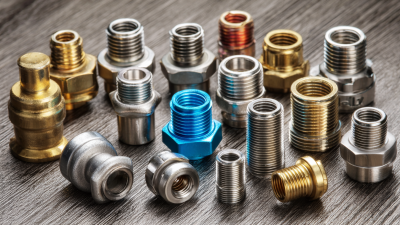
Choosing the right material for crane valves is crucial for optimal performance. Different materials offer various advantages, like durability and resistance to corrosion. Common materials for crane valves include stainless steel, bronze, and PVC. Assess the specific application to determine which material is most compatible.
Consider the operating environment. If the valves will be exposed to harsh chemicals, stainless steel may be a better choice due to its corrosion resistance. On the other hand, bronze valves can handle high temperatures and pressures well. Each option has pros and cons, so choose carefully.
Evaluate the media that will flow through the valves. Is it water, oil, or a chemical solution? Understanding this helps to select a compatible material. Some materials may degrade when in contact with certain substances. Deep knowledge of the application is vital.
Installation can also reveal incompatibilities. Valves may fit properly, but materials could react unexpectedly. Regular inspection helps identify potential issues before they escalate. Refining your approach based on real-world performance is essential for reliability.
Assessing Pressure and Temperature Ratings for Optimal Performance
When selecting crane valves, assessing pressure and temperature ratings is crucial. These ratings determine how well a valve can withstand operational conditions. For example, according to the American Society of Mechanical Engineers (ASME), common pressure ratings for valves typically range from 150 to 2500 psi (pounds per square inch), impacting the valve's durability. The temperature ratings often span from -20°F to 600°F, depending on the material used. Understanding these limits helps ensure optimal performance.
Consider the specific demands of your application. For example, cranes in high-temperature environments may require valves made from specialized alloys to prevent failure. A recent industry report noted that failures in valve systems can result in a 25% increase in operational costs. Therefore, selecting valves that can handle your system's unique pressure and temperature conditions is vital.
Evaluate the ambient conditions where the valves will operate. Hot or corrosive environments may require extra protection. Regular maintenance checks are essential; neglect can lead to issues like leaks or reduced efficiency. Always consider sourcing valves from reputable suppliers who provide detailed specifications, contributing to safer and more reliable operations. Choose wisely, and don't overlook the importance of regular assessments.
How to Choose the Right Crane Valves for Your Needs?
| Valve Type |
Pressure Rating (PSI) |
Temperature Rating (°F) |
Material |
Application |
| Gate Valve |
150 - 600 |
32 - 250 |
Cast Iron |
Water and Sewage |
| Globe Valve |
200 - 1500 |
32 - 400 |
Stainless Steel |
Oil and Gas |
| Ball Valve |
150 - 600 |
32 - 200 |
PVC |
Chemical Processing |
| Check Valve |
150 - 3000 |
32 - 300 |
Bronze |
Water and Steam |
| Butterfly Valve |
150 - 600 |
32 - 150 |
Aluminum |
HVAC Systems |
Maintenance and Longevity Tips for Crane Valves Selection
Choosing the right crane valves goes beyond just understanding their types. Maintenance is a critical factor in ensuring their longevity and performance. Regular checks can save you time and money in the long run. Pay attention to any signs of wear and tear. This includes unusual noises or leaks. Identifying these issues early can prevent larger complications.
Proper lubrication is vital for any crane valve. Use the recommended type of grease to avoid damaging the components. Over-lubrication can be just as harmful. Always adhere to the specified intervals for maintenance. Another aspect to consider is the environment where the valves operate. Extreme temperatures or corrosive substances can affect performance. Regularly inspect for damage in such conditions.
Be mindful of the installation process too. Incorrect fitting can lead to failures. Ensure all connections are tight and secure. Refer to manuals for guidance. Additionally, keeping a log of maintenance activities helps track the valve's history. This can identify patterns that need attention. Missteps in selection and maintenance can impact functionality. Taking these precautions can greatly enhance the lifespan of your crane valves.