Top Fittings Valves Suppliers in China for Global Buyers
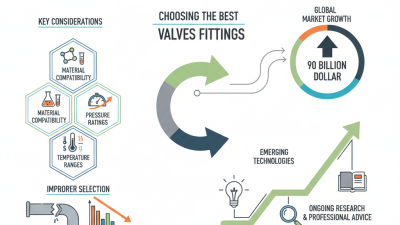
The fittings valves industry plays a crucial role in various sectors, including oil and gas, construction, and manufacturing. According to a recent report by MarketsandMarkets, the global fittings valves market is projected to reach $80 billion by 2025, with a compound annual growth rate (CAGR) of 5.8%. This growth underscores the increasing demand for reliable, efficient valves in modern applications.
Experts in the field, like Dr. John Lee, a renowned fittings valves specialist, emphasize the importance of quality and innovation: "Quality fittings valves are essential for safety and efficiency in industrial operations." This highlights the need for global buyers to source from reputable suppliers, particularly in China, which has emerged as a leading hub for manufacturing fittings valves.
Yet, challenges remain. The competitiveness of the market means that buyers must be diligent. Some manufacturers may cut corners to reduce costs. Understanding the landscape and the available options is key to making informed decisions. Buyers should invest time in researching the best suppliers to ensure they receive the highest standards and performance in fittings valves, which ultimately supports operational success.
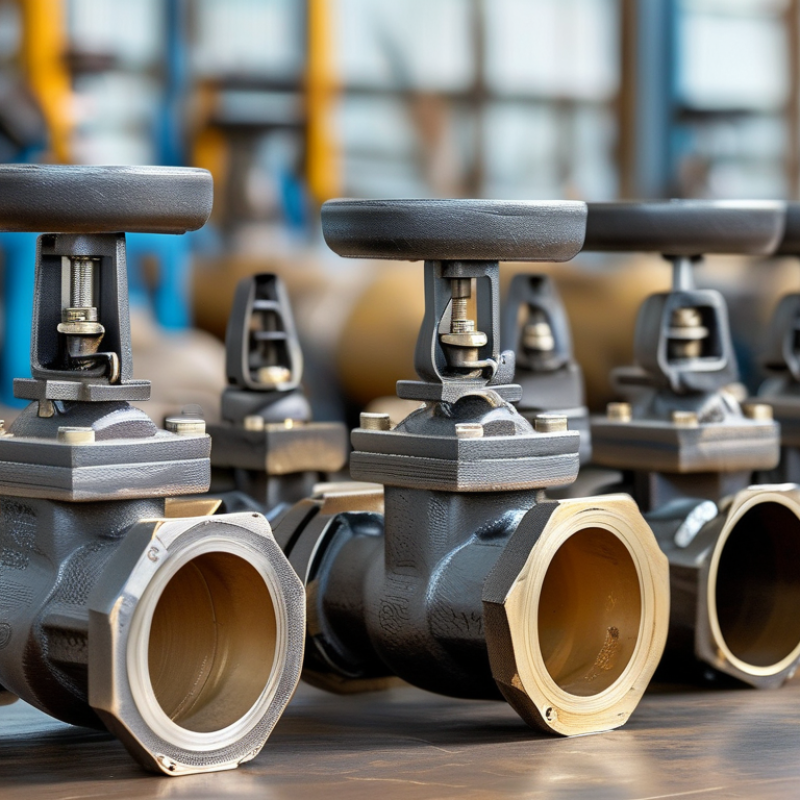
Overview of the Global Valve Market and Demand Trends
The global valve market has shown remarkable growth in recent years. According to a report by Market Research Future, the market is expected to reach approximately $100 billion by 2025. This growth is driven by increased demand from various industries such as oil and gas, water treatment, and power generation. A growing population and urbanization lead to higher infrastructure needs. In particular, the Asia-Pacific region has become a significant player, accounting for over 40% of the global market share.
Demand trends indicate a shift towards automation and smart technologies. The Industry 4.0 revolution has influenced valve manufacturing, prompting suppliers to adopt advanced materials and smart systems. As per a report by Mordor Intelligence, the smart valve segment is projected to grow at a CAGR of 7% from 2021 to 2026. However, challenges remain in ensuring consistent quality and meeting global standards. Supply chain disruptions have also created inconsistencies in timely delivery, affecting manufacturers and end-users alike.
As sustainability becomes a priority, companies must rethink traditional practices. The move towards eco-friendly materials is crucial. New regulatory pressures require investment in research and development. This presents an opportunity for innovative designs and efficient production methods. While the demand for valves increases, the industry must address these evolving challenges. Efforts to improve reliability and reduce environmental impact are essential for future growth.
Key Characteristics of Top Valve Suppliers in China
When exploring the landscape of valve suppliers in China, several key characteristics emerge. Many suppliers emphasize rigorous quality control. They often follow international standards like ISO 9001. This dedication boosts their reputation among global buyers. Recent reports indicate that about 70% of top suppliers invest significantly in R&D. This investment enables them to innovate and improve existing products continually.
The capacity to scale production is also crucial. Many leading suppliers can produce large volumes while maintaining quality. Industry data shows that suppliers with a flexible production capability report a 15% increase in customer satisfaction. However, some suppliers struggle with supply chain issues that affect delivery timelines. This inconsistency can lead to frustration for buyers relying on timely shipments.
Additionally, transparency in operations is a growing concern. A significant number of buyers prefer suppliers who openly share their manufacturing processes. Reports reveal that suppliers who adopt this transparency see a 20% increase in trust from potential clients. Yet, not all suppliers excel in this area, which can lead to a gap in customer trust. Overall, understanding these characteristics provides a clearer picture of the suppliers shaping the global valve market.
Top Fittings Valves Suppliers in China for Global Buyers - Key Characteristics of Top Valve Suppliers in China
| Supplier Type |
Location |
Years in Business |
Export Experience |
Product Range |
Quality Certification |
| Manufacturers |
Zhejiang |
15 years |
Extensive |
Valves, Fittings, Actuators |
ISO 9001 |
| Distributors |
Shanghai |
10 years |
Moderate |
Industrial Valves |
CE, API |
| Exporters |
Guangdong |
20 years |
High |
Ball Valves, Gate Valves |
ASME, ISO |
| OEM Suppliers |
Shandong |
12 years |
Significant |
Custom Valves |
TUV, API |
| Trading Companies |
Beijing |
5 years |
Limited |
General Valves |
None |
Criteria for Selecting Reliable Valve Suppliers
Finding reliable valve suppliers is critical for global buyers. In the valve industry, consistency in quality is paramount. According to recent market analysis, the global valve market is projected to grow steadily, reaching approximately $80 billion by 2026. This growth reflects the increasing demand for valves in various sectors, including oil and gas, water treatment, and chemical processing.
When selecting a valve supplier, it's essential to consider their production capacity. A supplier should have the ability to meet large orders without compromising quality. Certifications like ISO 9001 can indicate a commitment to maintaining high standards. Research shows that over 70% of buyers prefer suppliers with recognized quality certifications.
Communication matters too. Suppliers should be responsive and transparent about their processes. Inconsistent communication can lead to misunderstandings. Additionally, it's beneficial to examine past performance and client reviews. A supplier with a history of reliable service often better understands industry demands. Trust can develop over time, but due diligence is vital in the initial stages. Companies should not overlook the importance of building long-term relationships for sustained success.
Top Fittings Valves Suppliers in China for Global Buyers
This chart illustrates the annual production capacity of various valve suppliers in China. It helps global buyers identify reliable suppliers based on their production capabilities.
Profiles of Leading Fittings Valve Manufacturers in China
China is a significant player in the global fittings valve market. According to a report by Research and Markets, the fittings valve industry is expected to grow at a CAGR of 5.2% over the next five years. This growth indicates increasing demand worldwide, driven by various sectors including oil and gas, water treatment, and construction.
Leading manufacturers in China focus on innovative designs and quality materials. Many companies are investing in advanced technologies to enhance their product offerings. However, challenges like stringent regulations and fluctuating raw material prices are present. Reliability is often questioned as the market expands rapidly. Some firms might compromise on strict quality control to meet growing demands, leading to potential risks for global buyers.
Effective supply chain management is essential. Efficient logistical capabilities allow manufacturers to deliver products on time and maintain a competitive edge. Balancing cost-effectiveness and quality remains a challenge. Manufacturers must reassess their strategies continuously to ensure they meet international standards and buyer expectations. It is crucial for global buyers to conduct thorough research on suppliers to mitigate risks associated with product quality and delivery.
Exporting Chinese Valves: Regulations and Market Challenges
Exporting valves from China presents unique challenges and regulations. Buyers should be aware of the complexities in compliance with international standards. Regulatory bodies often require specific certifications, and these can vary by country. Understanding these regulations is crucial for smooth trade.
Quality assurance is another significant concern. Chinese manufacturers can vary in quality, making it essential for buyers to conduct thorough inspections. Many suppliers proudly display their certifications, but due diligence is necessary. Establishing a good communication line helps in addressing potential misunderstandings about product specifications and standards.
Market dynamics are also unpredictable. Currency fluctuations can impact pricing, and trade policies can change suddenly. Buyers need to be flexible and adaptable to these shifts. Researching market trends and maintaining relationships with suppliers can mitigate potential risks. There is a learning curve in navigating these challenges. Each experience provides valuable insights for future transactions.