7 Tips for Buying Butterfly Valves?
Choosing butterfly valves is not just a matter of matching pipe size. The right choice depends on the fluid, operating pressure, temperature, flow needs, and how often the valve will move. A valve handling clean water may not suit a line carrying abrasive slurry or a chemical that affects its seat.
Details matter. Check the valve body and disc materials, seat type, end connections, and whether manual or automated operation is needed. For example, a compact lever-operated valve may work well in an accessible utility line, while a powered actuator may be more practical where controls are remote. Confirm the manufacturer’s pressure and temperature ratings against the actual service conditions, rather than relying on a product title or a quick visual comparison.
Read the datasheet closely. Ask the supplier about compatibility, maintenance requirements, and any limits on throttling; butterfly valves can vary significantly in design and performance. If the application is critical, have a qualified engineer review the specification before ordering. A low purchase price can look attractive, but replacing a poorly matched valve may cost more in downtime and labor. And catalog descriptions are not always clear. It is worth checking assumptions, even when the model seems familiar. The seven tips ahead offer a practical way to compare options, ask better questions, and choose a valve that fits the system—not just the budget.
Identify the Valve’s Application and Operating Conditions
Identify the service before comparing valve sizes. Is the line carrying clean water, slurry, air, or a corrosive chemical? Note the normal and peak pressure, temperature, flow rate, and solids content. A valve handling abrasive wastewater may need a different disc and seat from one controlling clean cooling water. Check whether it will throttle continuously or close only during maintenance. These details affect material choice, sealing, and actuator torque.
The World Bank’s 2006 report, The Challenge of Reducing Non-Revenue Water, estimated that developing countries lose about 45 million cubic metres of water daily through physical and commercial losses. That figure is not a valve-failure rate, but it shows why service conditions and isolation needs matter in water networks. For water-hammer risks, record how quickly the valve must close; a fast-moving disc can worsen pressure surges. Confirm the pressure-temperature limits and test requirements against the project specification and applicable standards, such as API 609. Small detail, big consequence. One point is easy to miss: published line conditions may not reflect startup or cleaning cycles. Verify those with operators, even if the records are imperfect.
Choose the Appropriate Butterfly Valve Design
7 Tips for Buying Butterfly Valves?
Choose the Appropriate Butterfly Valve Design
Choosing a butterfly valve starts with the service conditions, not the catalog photo. A concentric, resilient-seated design is often suitable for general water service and moderate operating conditions. For higher pressure, temperature, or more demanding cycling, a double-offset design may reduce seat wear. Triple-offset, metal-seated valves can suit high-temperature duties, but their installation and sealing requirements deserve careful review. Check the fluid, operating pressure, temperature range, and required shutoff performance together.
Tips: Confirm the valve body and disc materials suit the fluid. Compare the seat material with the actual temperature, not just the normal set point. Check whether the valve must seal against flow in one direction or both. A wafer style fits between flanges; a lug style may allow different removal arrangements, subject to its rated service conditions.
The actuator matters, too. Manual handles can work well for accessible, infrequently operated valves; remote or frequent operation may call for a geared or powered actuator. Verify the flange standard, face-to-face dimensions, and available installation space before ordering. A detail that seems minor can cause a poor fit. I would also question any selection based only on pipe size: flow range, pressure drop, and operating frequency can change the best design. When data is incomplete, confirm assumptions with a qualified valve specialist.
Select Materials for the Valve Body, Disc, and Seat
Choosing materials for a butterfly valve starts with the fluid, operating temperature, pressure, and surrounding environment. The body supports the assembly, so its material must handle pipe loads and external exposure. Ductile iron is common in many water services, while stainless steel may suit more corrosive conditions. Neither choice is universal. Check the fluid’s chemistry and the system’s pressure rating before deciding.
The disc contacts the flow and can face erosion or corrosion. Stainless steel is a frequent option, but coatings or other alloys may be more suitable for specific fluids. The seat creates the seal, so compatibility matters even more. EPDM often serves water applications; NBR may suit some oil services, and PTFE can handle many chemicals. Temperature limits still apply. A material that works at room temperature may perform poorly when hot.
Tip: Confirm the exact fluid, concentration, and temperature range with reliable material data. Check whether the disc and seat combination is compatible, too. It is easy to focus on corrosion and overlook abrasion or frequent cycling. That small oversight can shorten service life. When details are uncertain, pause and verify them before selecting the valve.
Verify Valve Size, Pressure Rating, and Connection Type
A butterfly valve must match the pipe’s actual size, not just a nearby nominal measurement. Check the line specification and, where possible, measure the pipe’s outside diameter. A valve that is too large may interfere with nearby equipment; one that is too small can restrict flow. Also confirm that the disc can rotate freely inside the pipe, especially in lined or narrow piping. Small mismatch, big trouble.
Read the pressure rating alongside the operating temperature and fluid conditions. The valve body, seat, and disc may have different limits, so check the manufacturer’s technical data rather than relying on one rating alone. Compare those limits with both normal operation and possible pressure surges. It is easy to rush this step; that habit deserves a second look. Then verify the connection type and dimensions. Wafer, lug, and flanged valves are not automatically interchangeable. Check the mating flange standard, bolt pattern, face-to-face length, and available clearance before ordering. A careful fit check now can prevent awkward adjustments during installation.
Compare Standards, Actuation Options, and Supplier Support
Compare standards against the valve’s actual service, not just its nominal size. Check pressure and temperature limits, face-to-face dimensions, material requirements, and test documentation. Confirm the standard’s edition and whether it covers the complete valve or only one component. Do not assume two valves are interchangeable because their dimensions look alike. Small details matter.
Actuation needs careful comparison too. Estimate operating torque under real pressure conditions, then allow a suitable margin. An electric actuator may suit remote control and frequent cycling; a pneumatic unit may fit sites with reliable compressed air. For either option, verify power supply, control signals, mounting, and any required fail-safe action. Fit can deceive. A handwheel may be enough for an accessible line, but awkward positioning can make routine operation difficult.
Supplier support affects installation and upkeep. Ask for material certificates, dimensional drawings, torque data, and clear maintenance instructions. Check expected lead times for seals and other wear parts, and confirm who can answer technical questions after delivery. A checklist can still miss site-specific details, so share the operating conditions and piping layout early. A useful supplier will flag uncertainties rather than promise that one configuration suits every system.
7 Tips for Buying Butterfly Valves
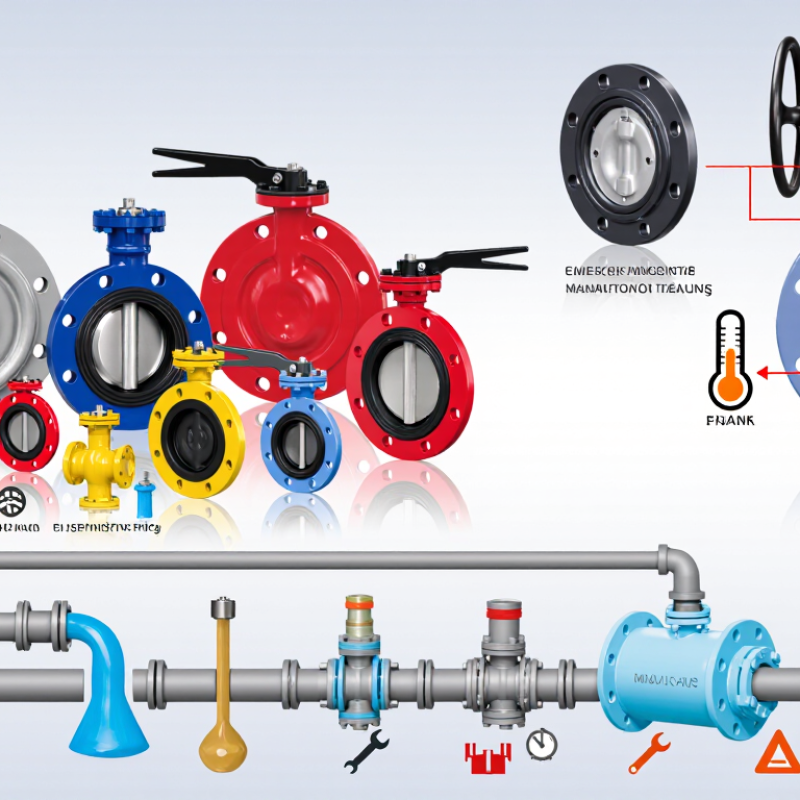
Compare standards, actuation options, and supplier support. The chart shows common nominal size equivalents; DN values are nominal designations, not measured valve bore diameters.
Nominal size equivalents are commonly used mappings. Confirm the required dimensions and face-to-face series against the applicable valve and piping standards.
- Confirm the medium, pressure, temperature, and operating conditions.
- Specify the nominal size and required face-to-face dimensions.
- Check the applicable design and testing standards, such as API 609 and ISO 5208.
- Select the body, disc, and seat materials for the service and compatibility requirements.
- Choose manual, pneumatic, or electric actuation to suit the control system and fail-safe needs.
- Verify the actuator mounting interface and required operating torque.
- Ask the supplier for documentation, testing details, spare-parts availability, and technical support.