
Quality Products
At a Fair Price
Wholesale Provider
Of Valves & Fittings
- HOME
- Products
- Ball Valves
- Bull Plugs & Swages
- Butterfly Valves
- Check Valves
- Cushion / Flow Tees & Bleed Rings
- Enhanced Oil Recovery
- Floating Ball Valves
- Foot Valves
- Forged Steel Fittings
- Forged Steel Outlets
- Gaskets-Insulation Kits
- Gate Valves
- Gate, Globe & Check Valves
- Malleable Fittings
- Needle Valves
- Nipples
- Piston Valves
- Plug Valves
- Stainless Steel Flanges, Fittings & Nipples
- Strainers
- Studs
- Trunnion
- Unions
- Weld Fittings & Flanges
- Manufacturers
- Advance
- American Block
- Anvil
- Balon
- Bonney Forge
- Champion
- Clayton Mark
- Crane
- Daniel
- DMIC
- GMI
- Galli & Cassina
- Hackney-Ladish
- JMC
- Lone Star
- MATCO
- Marpac-McCanna
- National Flange
- National Gasket
- Nordstrom
- Nutron
- PPI
- SHARPE
- SMI
- TEXSTEAM
- TEX-THREAD
- Titan
- USA Fastner
- Vogt
- Weld Bend
- Westbrook
- Wheatley
- Williams
- WKM
- Wolar
- Locations
- Contact
- Blog
- Careers
- Get a Quote
- HOME
- Products
- Ball Valves
- Bull Plugs & Swages
- Butterfly Valves
- Check Valves
- Cushion / Flow Tees & Bleed Rings
- Enhanced Oil Recovery
- Floating Ball Valves
- Foot Valves
- Forged Steel Fittings
- Forged Steel Outlets
- Gaskets-Insulation Kits
- Gate Valves
- Gate, Globe & Check Valves
- Malleable Fittings
- Needle Valves
- Nipples
- Piston Valves
- Plug Valves
- Stainless Steel Flanges, Fittings & Nipples
- Strainers
- Studs
- Trunnion
- Unions
- Weld Fittings & Flanges
- Manufacturers
- Advance
- American Block
- Anvil
- Balon
- Bonney Forge
- Champion
- Clayton Mark
- Crane
- Daniel
- DMIC
- GMI
- Galli & Cassina
- Hackney-Ladish
- JMC
- Lone Star
- MATCO
- Marpac-McCanna
- National Flange
- National Gasket
- Nordstrom
- Nutron
- PPI
- SHARPE
- SMI
- TEXSTEAM
- TEX-THREAD
- Titan
- USA Fastner
- Vogt
- Weld Bend
- Westbrook
- Wheatley
- Williams
- WKM
- Wolar
- Locations
- Contact
- About
- Careers
- Get a Quote
2026 Top Guide to Butterfly Valves for Global Buyers
In the realm of fluid control, butterfly valves are vital components. These valves offer a simple, efficient solution to regulate flow in pipelines. According to a 2022 market analysis, the global butterfly valve market reached USD 4.5 billion, with a projected growth rate of 4.8% by 2026. This growth showcases the rising demand for reliable and cost-effective flow control solutions.
Butterfly valves are known for their lightweight design and swift operation. Their unique structure allows for quick opening and closing, making them ideal for various applications. Industries such as water treatment and petrochemicals increasingly rely on these valves. A report from Grand View Research highlights that over 25% of butterfly valves are used in water and wastewater treatment. However, selection can be challenging due to the variety of materials and designs available.
Despite their advantages, users often overlook critical factors when choosing butterfly valves. Factors like pressure rating, temperature range, and media compatibility are essential. Inconsistencies in valve selection can lead to operational inefficiencies, increasing costs and downtime. Global buyers must carefully navigate these complexities to make informed purchasing decisions.
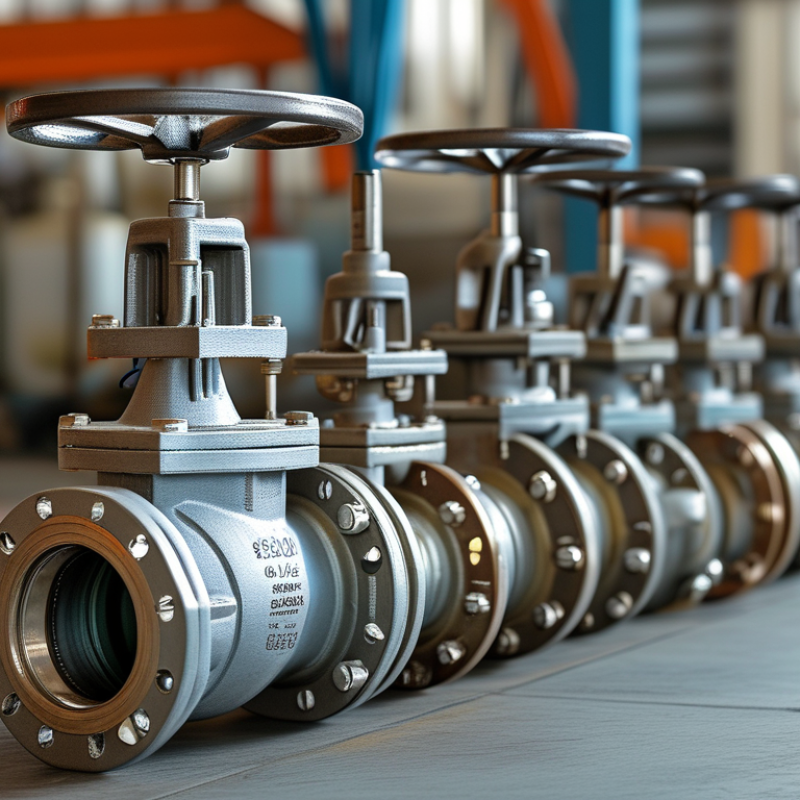
Key Features to Consider When Selecting Butterfly Valves for Global Markets
When selecting butterfly valves for global markets, it is crucial to consider several key features. The design of the valve significantly impacts its efficiency and functionality. Look for a valve that ensures minimal turbulence and pressure drop. This can enhance flow rates, making the system more effective. Materials used in construction are also vital. Corrosion-resistant materials can extend the lifespan in various environments.
Tips: Always verify the pressure ratings of the butterfly valves. It’s essential to match these ratings with your application requirements. Conducting a thorough compatibility check helps avoid future issues.
Another important aspect is the stem design. A robust stem provides durability and reliable operation. Ensure that the choice aligns with the expected operating conditions. It’s beneficial to assess the sealing mechanism. A well-designed sealing system prevents leaks and maintains system integrity.
Tips: Test the valves periodically to check for any signs of wear or failure. Early detection can save costs and prevent extensive damages. Engaging with experienced professionals can further guide your selection process.
Global Butterfly Valve Market Trends and Growth Projections for 2026
The global butterfly valve market is experiencing significant growth. This trend is driven by increasing industrial demands. Industries such as oil and gas, water supply, and HVAC continue to expand. This expansion creates a need for efficient flow control solutions. The forecast for 2026 shows promising sales growth across various regions.
Technological advancements are shaping the market. Automation and smart valve technologies are gaining traction. These innovations enhance efficiency and reduce operational costs. However, the industry faces challenges. Supply chain disruptions and raw material shortages have been problematic. Companies need to address these issues to sustain growth.
Sustainability is becoming a focal point. Manufacturers are exploring eco-friendly materials. This shift reflects growing environmental awareness among consumers. There is also a push for energy-efficient products. While the outlook is optimistic, adaptation is crucial. Businesses must remain flexible to market fluctuations.
2026 Global Butterfly Valve Market Trends
Material and Design Innovations in Butterfly Valves: A Comprehensive Overview
The evolution of butterfly valves is noteworthy. Innovations in materials have led to more durable and efficient designs. Advanced composites and metals enhance resistance to corrosion and high pressures. These materials improve the lifespan of butterfly valves, making them reliable in various applications.
Recent design innovations focus on streamlined shapes. These updates aim to minimize turbulence and improve flow efficiency. Many manufacturers now utilize computer-aided design (CAD) for precision and optimization. This approach leads to more compact and lightweight valves. As a result, installations are easier and more cost-effective.
Tips: When selecting butterfly valves, consider the operational environment. Corrosive conditions demand higher-grade materials. Inspect the designs for energy efficiency and maintenance needs. Keep in mind that not all innovations are universally suitable. Some may not perform optimally in specific settings.
Regulatory Standards Impacting Butterfly Valve Procurement Worldwide
Regulatory standards play a crucial role in the procurement of butterfly valves worldwide. Various regions impose specific regulations to ensure safety and reliability. For instance, in Europe, standards set by organizations focus on durability and performance under pressure. These regulations affect how manufacturers design and test their valves.
Many buyers may overlook the impact of these regulations on their procurement decisions. Failing to comply can lead to delays, increased costs, and even legal issues. It's essential to understand local compliance requirements and the certifications needed. Adhering to these standards adds an extra layer of credibility to the procurement process.
Additionally, keeping abreast of changes to regulations is vital. When laws evolve, it can disrupt supply chains. Buyers must allocate resources for ongoing training and updates. Not every company prioritizes this, leading to potential gaps in compliance. Engaging with experts can help navigate these complexities effectively.
2026 Top Guide to Butterfly Valves for Global Buyers - Regulatory Standards Impacting Butterfly Valve Procurement Worldwide
| Region | Applicable Standards | Key Regulatory Bodies | Common Applications | Typical Size Range (Inches) |
|---|---|---|---|---|
| North America | ANSI/API 609, ASME B16.34 | API, ASME | Water Treatment, Oil & Gas | 2-36 |
| Europe | EN 593, EN 558 | European Committee for Standardization (CEN) | Chemical Processing, HVAC | 1-48 |
| Asia-Pacific | JIS B 2002, ISO 13445 | JISC, ISO | Power Generation, Food Processing | 2-42 |
| Middle East | API 609, BS 5155 | API, BSI | Water Management, Desalination | 6-30 |
| Latin America | NMX-J-059, ABNT NBR 9293 | ANSI, ABNT | Mining, Chemical Plants | 3-24 |
Cost Analysis of Butterfly Valves: A Guide for International Buyers
When evaluating the cost of butterfly valves, it's essential to understand multiple factors influencing pricing. According to a recent market analysis, the global butterfly valve market is expected to reach $8.39 billion by 2026. This figure highlights the growing demand across various industries such as oil and gas, water treatment, and HVAC systems.
The material used in butterfly valves heavily impacts their overall cost. For example, stainless steel valves can range from $100 to $300, while PVC options typically cost between $30 and $150. Material expense often correlates with durability requirements and application environments. Additionally, installation costs can add another 20%-40% to the initial purchase price.
International buyers face challenges beyond the sticker price. Shipping fees, customs duties, and the need for compatible fittings can escalate the total expenditure. Often overlooked, the potential costs of maintenance should be factored in too. Valves requiring specialized servicing can lead to unforeseen expenses later. A thorough cost analysis assists buyers in making informed decisions tailored to their specific operational needs.
Related Posts
-
2026 Top Butterfly Valves at 139th Canton Fair Insights?
-

The Role of Butterfly Valves in Modern Industry: A Comprehensive Overview
-
7 Best Butterfly Valves for Enhanced Industrial Performance in 2024
-

What is a Gate Valve and How Does It Work?
-
How to Choose the Best Stainless Steel Weld Fittings?
-

Top Tips for Selecting the Right Flange Gasket for Your Needs?