Top Tips for Selecting the Right Flange Gasket for Your Needs?
Selecting the right flange gasket is crucial for ensuring leak-free joints in piping systems. The variety of materials and designs can be overwhelming. A flange gasket must match the specific requirements of your application, including temperature and pressure.
Consider the consequences of using the wrong gasket. It can lead to severe leaks, equipment failure, and costly downtime. Understanding the material properties is essential. Each type of flange gasket—rubber, metal, or composite—has unique strengths and weaknesses.
Gasket selection often involves trade-offs. Sometimes, the best option is not the most expensive one, but what suits your specific situation. Keep in mind that even small differences can impact performance. Prioritize reliability and performance when making your choice.
Understanding the Different Types of Flange Gaskets Available
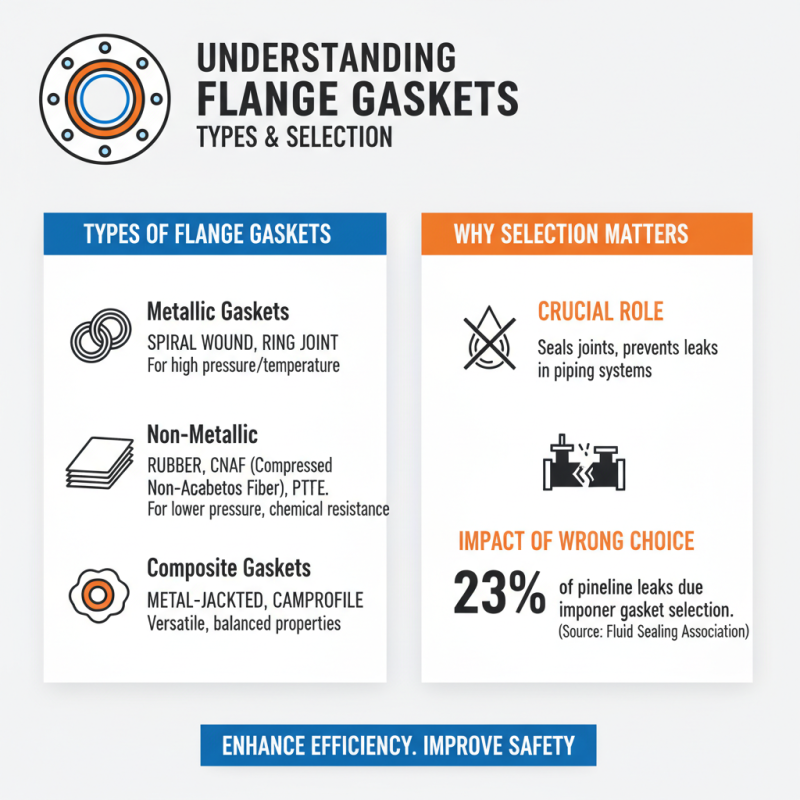
Flange gaskets play a crucial role in sealing joints within piping systems. Understanding the diverse types available can significantly impact performance and safety. The right choice can enhance efficiency and prevent leaks. According to a report from the Fluid Sealing Association, improper gasket selection leads to 23% of pipeline leaks.
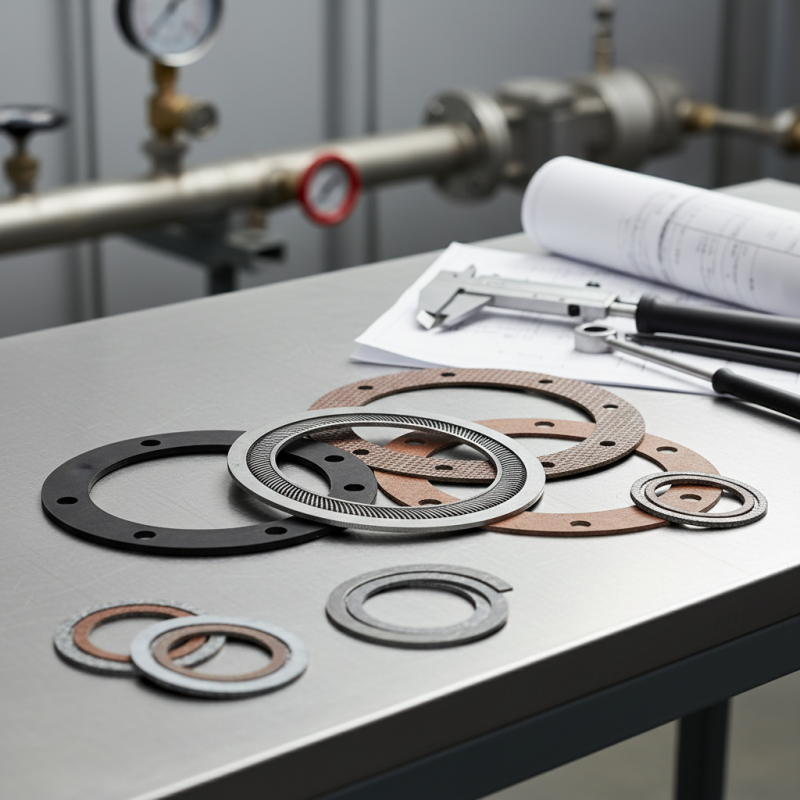
There are several types of flange gaskets. Rubber gaskets offer flexibility. They are resistant to various chemicals and can accommodate misalignment. On the other hand, metal gaskets tend to withstand higher temperatures and pressures. A study by ASTM International shows that metal gaskets perform well under extreme conditions. However, their rigidity can pose challenges in dynamic applications.
Additionally, spiral wound gaskets come as a popular choice for many industries. They combine metal and filler materials, which enhances both resilience and sealing ability. The right choice depends on numerous factors, including media type and operational conditions. It’s vital to assess these variables to minimize potential failures. Many users find themselves grappling with decision fatigue. This highlights the importance of detailed understanding and expert guidance in the selection process.
Factors to Consider When Choosing a Flange Gasket Material
Selecting the right flange gasket is crucial for ensuring system integrity. The material you choose significantly impacts leak prevention, durability, and performance under various conditions. According to industry reports, over 30% of leaks in piping systems can be attributed to improper gasket selection. Therefore, understanding gasket materials and their properties is essential.
When selecting gasket materials, consider temperature and pressure ratings. For high-pressure applications, metallic gaskets might be more suitable. In contrast, softer materials like PTFE are great for sealing low-pressure systems. Always check the chemical compatibility of the gasket with the fluid being contained. Research shows that nearly 25% of gasket failures are due to chemical incompatibility.
Tip: Always consult technical data sheets for physical properties before making a decision.
Additionally, consider environmental factors like exposure to moisture or temperature extremes. Certain materials can degrade quickly under harsh conditions. It's important to evaluate the long-term reliability of the gasket. A study indicated that 40% of maintenance costs in industrial settings are related to gasket failures.
Tip: Regularly review and assess gasket performance in your applications.
Top Tips for Selecting the Right Flange Gasket for Your Needs
| Material Type |
Temperature Range (°F) |
Pressure Rating (psi) |
Chemical Resistance |
Applications |
| NBR (Nitrile) |
-40 to 250 |
150 |
Moderate |
Oil and Gas |
| PTFE (Teflon) |
-450 to 500 |
3000 |
Excellent |
Chemical Processing |
| Graphite |
-300 to 750 |
2000 |
Good |
High-Temperature Systems |
| Silicone |
-100 to 500 |
75 |
Fair |
Food Processing |
| Elastomer |
-30 to 300 |
150 |
Moderate |
Water and Waste Management |
Assessing the Operating Conditions for Optimal Gasket Selection
Selecting the right flange gasket is crucial for industrial operations. The operating conditions greatly influence this choice. Factors such as temperature, pressure, and media type can dictate gasket material and design. For instance, high-temperature systems typically require gaskets made of graphite or metal composite materials. These materials can withstand extreme conditions without compromising sealing integrity.
Industry reports indicate that over 30% of gasket failures arise from improper material selection. A failure in sealing can lead to significant downtime and safety hazards. Assessing the operating environment ensures you are choosing a gasket that meets the specific demands of your application. For example, fluoropolymer gaskets are essential in corrosive chemical environments. Their durability provides a reliable solution where others may fail.
It's important to approach gasket selection critically. Many operators overlook minor details, resulting in costly errors. Consider the compatibility of your medium with the gasket material. Sometimes, what appears to be a suitable choice could lead to degradation over time. Future maintenance requirements should also be evaluated. A gasket that lasts long-term can save money and hassle. Conducting thorough research and consulting with experts can guide you toward more informed decisions.
Installation Best Practices for Flange Gaskets
When installing flange gaskets, preparation is key. Ensure that the surfaces are clean and free from debris. This prevents leaks and ensures a tight seal. Use a proper cleaning solvent to wipe down the flanges. Any contaminants can lead to gasket failure. Take time during this step; a few extra minutes can boost reliability.
Proper torque is also crucial. Use a torque wrench to achieve the manufacturer's specifications. Tightening flanges too much can damage the gasket. Too little torque may result in leaks. Follow a star pattern when tightening. This distributes the pressure evenly. It’s a small detail but can have significant impacts on performance.
Finally, consider the environment where the gasket will be used. Different materials handle heat and chemicals differently. A mismatch can lead to premature failure. Always reflect on past installations. Were there any issues? Learn from them to improve future projects. Making adjustments based on experience can save time and money down the line.
Common Mistakes to Avoid When Selecting Flange Gaskets
Selecting the right flange gasket can be challenging. Common mistakes often stem from overlooking material compatibility. Factors such as temperature and pressure play crucial roles. For instance, rubber gaskets may fail under high heat, while metal options can corrode in humid environments.
Another frequent error is miscalculating dimensions. An improper fit can lead to leaks and costly repairs. Always measure the flange accurately. Don’t rush this step; a small error can result in significant issues. Additionally, many overlook installation procedures. Following correct installation guidelines ensures optimal performance.
Choosing a gasket based solely on price is risky. Cheaper options might not withstand the required conditions, leading to premature failure. It's essential to weigh cost against the quality and longevity of the gasket. Experience dictates that a well-chosen gasket often pays off in the long run.
Top Tips for Selecting the Right Flange Gasket for Your Needs
This chart illustrates important factors to consider when selecting flange gaskets. Each factor is rated on a scale of 1 to 10 based on its importance in ensuring compatibility and performance of the gasket in its application.