What Are the Best China Needle Valves for Global Buyers?
Global buyers evaluating China needle valves need more than a low quotation. They need stable flow control, clean machining, reliable sealing, and clear inspection records. A valve may look flawless in product photos. The real test begins inside a high-pressure line, where a tiny stem movement can change the flow rate.
Needle valves are commonly used in instrumentation, gas systems, hydraulic circuits, sampling lines, and laboratory equipment. Material selection matters. Stainless steel suits corrosive environments, while brass may fit less demanding applications. Thread accuracy matters too. So does packing performance.
As valve specialist Dr. Liang Wei explains, “A needle valve earns trust through controlled performance, not attractive appearance.” That principle should guide every sourcing decision.
Strong Chinese manufacturers usually provide pressure-test reports, material certificates, dimensional drawings, and traceability details. Buyers should also examine production experience, machining tolerances, surface finish, and response quality. Ask practical questions. What pressure range is tested? Which sealing material is installed? How is leakage measured?
No supplier is perfect.
A careful review should include samples, independent inspections, and realistic operating trials. Price still matters, but it should not hide weak documentation or inconsistent batches. Even experienced buyers can overlook small details, especially when comparing similar catalog products. That is worth remembering.
This guide examines the best China needle valves for global buyers, focusing on engineering value, manufacturing reliability, customization, testing, and long-term service. The goal is not to promote the cheapest option. It is to identify the supplier and valve design that remain dependable after installation.
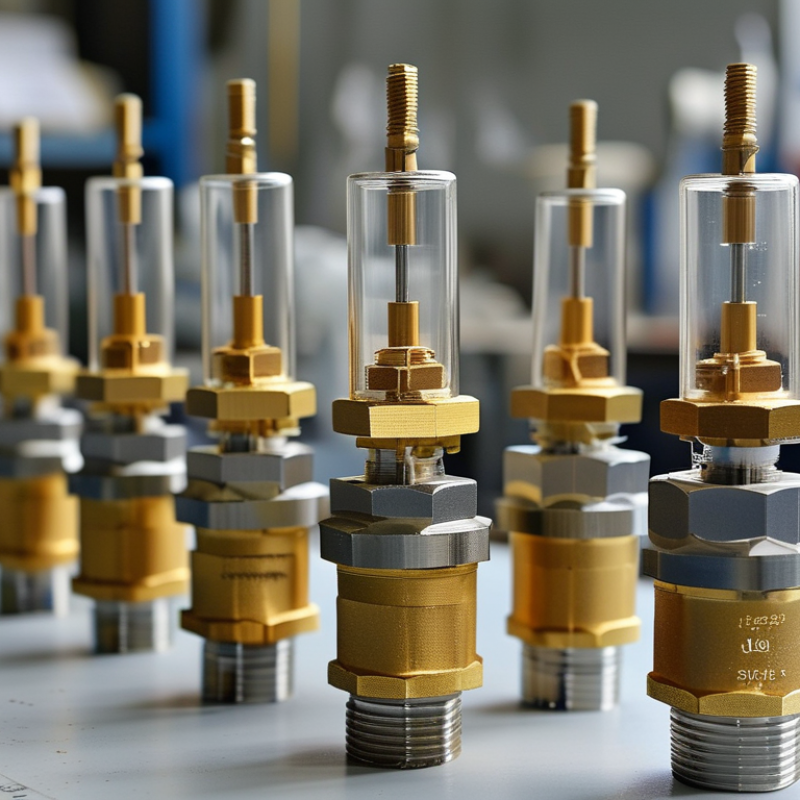
Needle Valve Fundamentals: Design, Function, and Flow Control Principles
A needle valve uses a slender, tapered needle and a precisely machined seat to regulate fluid flow. Turning the handwheel changes the opening gradually. This design supports fine adjustment, especially in instrumentation lines, sampling systems, and low-flow gas services.
For global buyers evaluating China needle valves, key specifications deserve close attention. Check the pressure rating, temperature range, connection type, body material, and media compatibility. A 1/4-inch valve may look suitable, yet its internal orifice can restrict flow more than expected. Flow coefficient, or Cv, helps compare capacity under defined conditions. It is not a decorative number.
In field commissioning, operators often adjust a valve by fractions of a turn. Small movements can cause noticeable pressure changes. Multi-turn stems usually provide better control than quarter-turn mechanisms. However, needle valves are rarely the best choice for emergency shutoff or dirty fluids. Particles can damage the seat and increase leakage. Request material certificates, pressure-test records, dimensional checks, and traceability documents. A polished datasheet is not proof of stable performance. Actual testing matters. Even careful selection can miss vibration, pulsation, or installation stress. Inspect the valve after operation, not only before shipment.
Key Materials, Pressure Ratings, and Manufacturing Standards in China
What Are the Best China Needle Valves for Global Buyers?
China-made needle valves vary widely in material control, pressure capability, and test discipline. Fortune Business Insights’ 2024 Industrial Valves Market report valued the 2023 global market at about US$76.8 billion. It also forecasts approximately 3.9% annual growth through 2032. This growth increases supplier choice, but not necessarily product consistency.
For corrosive fluids, 316L stainless steel offers better resistance than 304. Duplex stainless steel may suit chloride-rich service, although its cost and machining requirements are higher. Carbon steel can work for non-corrosive media. Confirm trim material, not only the body material. A valve marked 6,000 psi still needs temperature derating and compatible tubing connections. ASME B16.34 supports pressure-temperature design requirements, while API 598 defines practical shell and seat testing methods. ISO 15848-1 is relevant when fugitive-emission control matters. China’s GB/T 12224 and GB/T 13927 standards can also support design and pressure-test verification.
Ask for heat numbers, material test certificates, dimensional records, and calibrated test equipment. EN 10204 Type 3.1 documentation is useful for traceability. Inspectors should verify seat leakage, thread quality, stem finish, and handwheel operation. A low quotation can hide weaker packing or inconsistent heat treatment. That is often missed. My own sourcing preference would favor a documented batch over a polished sample. However, even certificates require checking against the actual valve serial number. A supplier’s quality system may look strong, yet final inspection can still be uneven.
Top China Needle Valve Types for Industrial and Specialized Applications
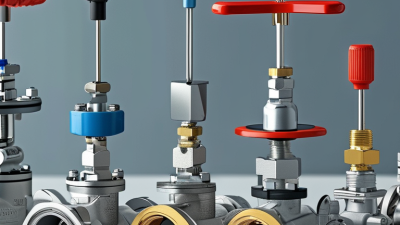
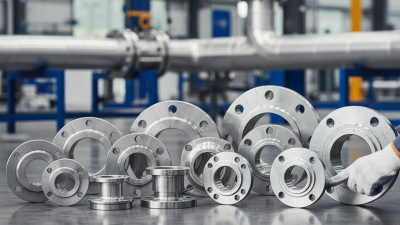
China needle valves serve different industrial and specialized applications, so selection should begin with operating conditions. Compression needle valves suit instrumentation lines, air systems, and moderate-pressure control. Threaded models fit compact equipment where installation space is limited. Flanged needle valves provide stronger connections for larger process piping. Angle-pattern valves can simplify routing near tanks or panels. Small details matter.
For accurate flow adjustment, choose a fine-stem metering valve with a tapered needle and stable handle movement. High-pressure systems may require hardened seats, thick bodies, and carefully tested packing. Bellows-sealed needle valves help reduce external leakage in vacuum, toxic, or high-purity service. Cryogenic designs need extended bonnets and materials that remain reliable at very low temperatures. A manifold needle valve can combine isolation, calibration, and pressure access in one assembly.
Material selection should match the medium, temperature, and pressure. Stainless steel often supports corrosive industrial environments, while brass may suit cleaner, lower-pressure services. Check thread standards, tube dimensions, seal materials, and pressure ratings before ordering. Field inspections should include stem smoothness, seat leakage, surface finish, and certificate consistency. A perfect specification rarely exists. In practice, buyers sometimes focus on pressure ratings and overlook maintenance access. That mistake can make a dependable valve difficult to service. Testing requirements should be written clearly, not assumed.
What Are the Best China Needle Valves for Global Buyers?
Representative maximum working pressures for common needle valve types used in industrial and specialized applications. Actual ratings depend on material, connection type, temperature, sealing design, and applicable standards.
A Step-by-Step Guide to Selecting, Ordering, and Importing Needle Valves
When global buyers source China needle valves, selection should begin with service conditions, not catalog price. Record media, pressure, temperature, flow range, connection type, and installation space. A valve for instrument air may fail quickly in corrosive chemical service. Check body and trim materials against the medium. Confirm pressure ratings at operating temperature. Choose a metering design with predictable stem movement and fine adjustment. Small details matter.
Request a technical drawing, material certificate, pressure-test procedure, and sample before placing a large order. Ask how threads are gauged and how sealing surfaces are inspected. Specify units, thread standards, end connections, packaging, quantity tolerance, and spare seals in the purchase contract. Independent inspection can verify dimensions, markings, leakage performance, and packing condition. It costs more, but rework costs more. I have seen buyers approve samples without checking the actual fitting tool. That mistake delayed installation.
Before shipment, confirm the commercial invoice, packing list, origin information, and customs classification with a qualified broker. Do not guess the tariff code. Match carton labels with purchase-order quantities. Protect threaded ends with caps. Compare insurance, port charges, and local delivery costs before choosing freight terms. Photograph packed goods and record batch numbers. On arrival, quarantine damaged cartons and test a representative sample before installation. A rushed inspection can hide a minor leak until production starts.