Top Weld Fittings Suppliers for Global Buyers
Choosing the right weld fittings supplier can shape a project’s safety, schedule, and long-term maintenance costs. Global buyers often compare manufacturers across quality, certifications, production capacity, and delivery performance. Yet a polished website does not prove consistent factory control. Real confidence comes from traceable material records, inspection reports, sample evaluation, and clear communication.
This guide introduces leading weld fittings suppliers for international purchasing teams. It considers stainless steel, carbon steel, alloy steel, and other common materials used in industrial piping. Readers will find practical points about ASME and ASTM specifications, dimensional accuracy, pressure requirements, packaging, and export support. A reliable supplier should explain heat numbers, testing methods, surface condition, and production lead times without vague promises. Small details matter. A marked fitting, a sealed document pouch, or a properly protected pipe end can prevent costly confusion at the job site.
Experience also shows that no supplier suits every application. Some excel at custom sizes, while others offer stronger inventory or faster regional delivery. Price alone can hide risks, including inconsistent wall thickness or weak after-sales support. However, supplier rankings and market impressions should still be checked against current evidence. Factory audits, third-party inspections, and recent customer references provide stronger insight than attractive brochures. This overview is designed to support careful comparison, not replace engineering judgment. Buyers should verify standards, local requirements, and project specifications before placing an order. Mistakes happen, even with experienced teams. The goal is to reduce them through disciplined evaluation.
Weld Fittings: Types, Materials, and Main Industrial Uses
Top Weld Fittings Suppliers for Global Buyers
Weld Fittings: Types, Materials, and Main Industrial Uses
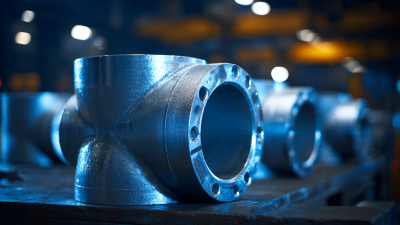
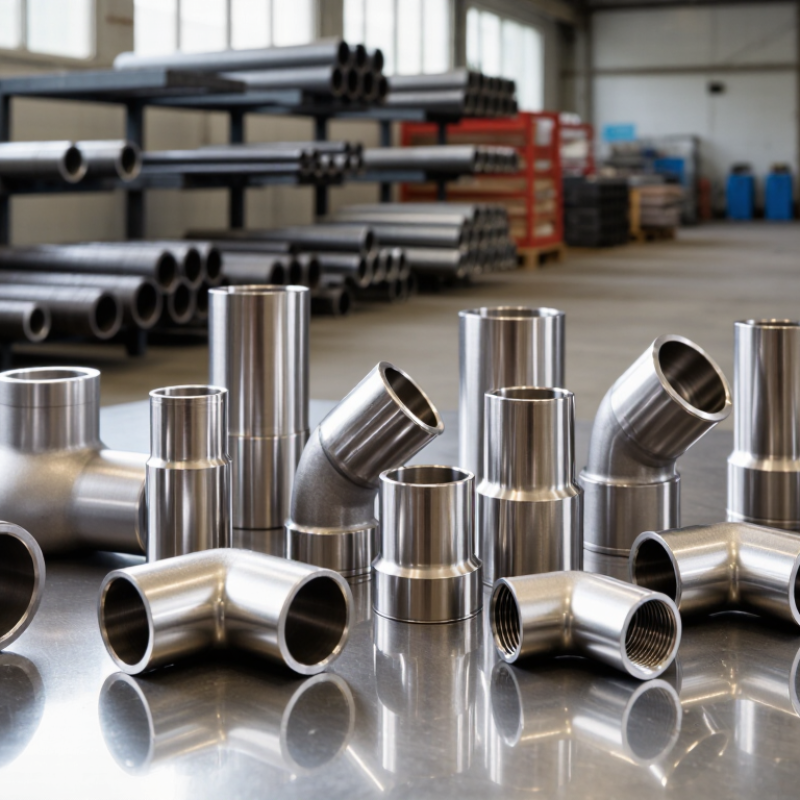
Choosing a weld-fittings supplier starts with service, not the catalogue. Common shapes include elbows, tees, reducers, caps, and stub ends. Elbows redirect flow, while tees divide process lines. Reducers control pressure and velocity between different pipe sizes.
Carbon steel suits general oil, gas, water, and structural systems. Stainless steel handles moisture, chemicals, and hygienic processing. Alloy steel performs better under heat and pressure. Duplex steel offers useful strength and corrosion resistance, but it requires stricter welding control.
The International Energy Agency reported nearly 2 trillion US dollars in clean-energy investment for 2024. The World Steel Association recorded about 1.89 billion tonnes of crude steel production in 2023. These figures show strong demand for reliable piping materials, though they do not measure fittings directly.
In real purchasing, surface appearance can mislead. Request material certificates, heat numbers, dimensional reports, and positive material identification records. Confirm wall thickness, bevel angles, welding procedures, and pressure-test requirements. ASME B16.9 covers factory-made wrought butt-welding dimensions, while ISO 9001 supports documented quality systems. For corrosive service, ask about ferrite control and corrosion testing. For critical pipelines, radiographic or ultrasonic inspection may be necessary. Specifications can still fail when site conditions change.
Tips: Match the fitting grade with the pipe grade. Check schedule compatibility. Compare tolerances, not only price. Ask for traceability from steel mill to shipment. A small mismatch may create expensive field rework.
How to Evaluate Global Weld Fittings Suppliers
Evaluating global weld fittings suppliers requires more than comparing unit prices. Start with material traceability, dimensional control, and delivery evidence. The World Steel Association reported 1.888 billion tonnes of crude steel production in 2023. That scale makes raw material verification essential. Ask for heat numbers, mill test certificates, and clear links between certificates and finished fittings.
Check whether the supplier follows relevant standards, such as ASME B16.9, ASTM specifications, or equivalent regional requirements. ISO 9001 certification supports process discipline, but it does not guarantee every shipment is perfect. Request recent inspection records, weld procedure qualifications, pressure-test results, and nonconformity reports. A reliable supplier should explain failures openly. That matters more than polished brochures. In my experience, response speed also reveals operational maturity. Slow answers before an order rarely become faster afterward.
Tips: Compare at least three suppliers using the same checklist. Verify certificates with the issuing laboratory when possible. Review packaging photos, marking details, and corrosion protection before shipment. The World Bank’s Logistics Performance Index shows that customs, tracking, and delivery reliability vary widely across markets. Therefore, evaluate export experience by destination, not by general claims. One weakness remains easy to overlook: a supplier may meet technical requirements but lack stable production capacity. Request capacity data, realistic lead times, and a contingency plan. Mistakes happen, and honest limitations are often safer than confident promises.
Comparing Prices, Lead Times, Customization, and Export Services
Choosing weld fittings suppliers for global projects requires more than comparing unit prices. A low quote can hide machining limits, packaging costs, or expensive freight. Request itemized pricing for materials, testing, certificates, and export documents. In my sourcing experience, a supplier offering clear cost details is easier to audit. Lead time also needs precision. Ask whether it covers production only or includes inspection and dispatch. A shipment scheduled for 18 days may require another week for port handling.
Customization can improve fit, but it often changes tooling, minimum quantities, and approval time. Provide drawings with dimensions, pressure ratings, surface requirements, and material grades. Ask for sample approval before full production. Small details matter. A one-millimeter mismatch can delay installation and create rework. Suppliers with documented quality checks can explain heat numbers, weld inspection, and traceability. Still, buyers should verify these claims through records, not friendly promises. I once underestimated packing space, and the final freight charge was higher than expected.
Tips: Compare landed cost, not only the factory price. Confirm Incoterms, carton size, pallet limits, and port options in writing. Request a production schedule with inspection points. Keep one backup supplier for urgent orders. Do not assume customization is always better; standard fittings may reduce risk and shorten delivery. Language gaps can also cause errors, so use marked drawings and signed specifications.
Top Weld Fittings Suppliers for Global Buyers
Benchmark comparison by typical unit price, production lead time, customization capability, and export-service readiness for DN50 ASTM A234 WPB SCH40 butt-weld fittings. Values represent generalized international sourcing benchmarks rather than individual company data.
Lower price and shorter lead time are generally preferable, while higher customization and export-service scores indicate broader technical and logistics support.
Choosing the Right Supplier for Your Project and Target Market
Top Weld Fittings Suppliers for Global Buyers
Choosing the Right Supplier for Your Project and Target Market
Choosing a weld fittings supplier requires more than comparing prices. Start with the project’s pressure rating, temperature range, fluid type, and connection standards. A fitting that works in a chemical plant may fail in a high-temperature steam system. Small differences matter.
Review material certificates, dimensional reports, and batch traceability before placing an order. Reliable suppliers should explain how they control raw materials, welding quality, heat treatment, and final inspection. Ask for samples when tolerances are critical. Measure them independently. Catalog information is helpful, but it is not proof.
Target-market requirements also deserve careful attention. Confirm accepted standards, marking rules, packaging needs, and required inspection documents. A supplier serving one region may not understand another region’s documentation expectations. Communication speed matters too. Clear drawings, response records, and realistic delivery dates reduce expensive delays.
Do not choose by unit cost alone. Compare defect rates, replacement support, production capacity, and logistics experience. No supplier is perfect. I would still question unusually fast promises or flawless claims. A thoughtful buyer should test assumptions, record risks, and leave room for technical review before production begins.