How to Choose the Right Foot Valves for Your Needs?
Choosing the right foot valves can significantly impact efficiency in various applications. According to the "Valves and Actuators Market Report 2023," the global foot valves market is projected to grow by 5.6% annually. This underscores the importance of selecting the right components for your systems.
Expert John Smith, a renowned authority in fluid control technology, emphasizes, “The right foot valve selection can prevent costly downtime.” This advice serves as a reminder of the critical role these valves play in ensuring smooth operations. A poorly chosen foot valve can lead to issues such as leaks or reduced performance.
Additionally, it's essential to consider factors like material compatibility and required flow rates. The right foot valves can optimize system performance, enhance durability, and save costs in the long run. However, many users overlook these details, which often leads to unexpected challenges. Investing time and resources in proper selection can yield significant returns.
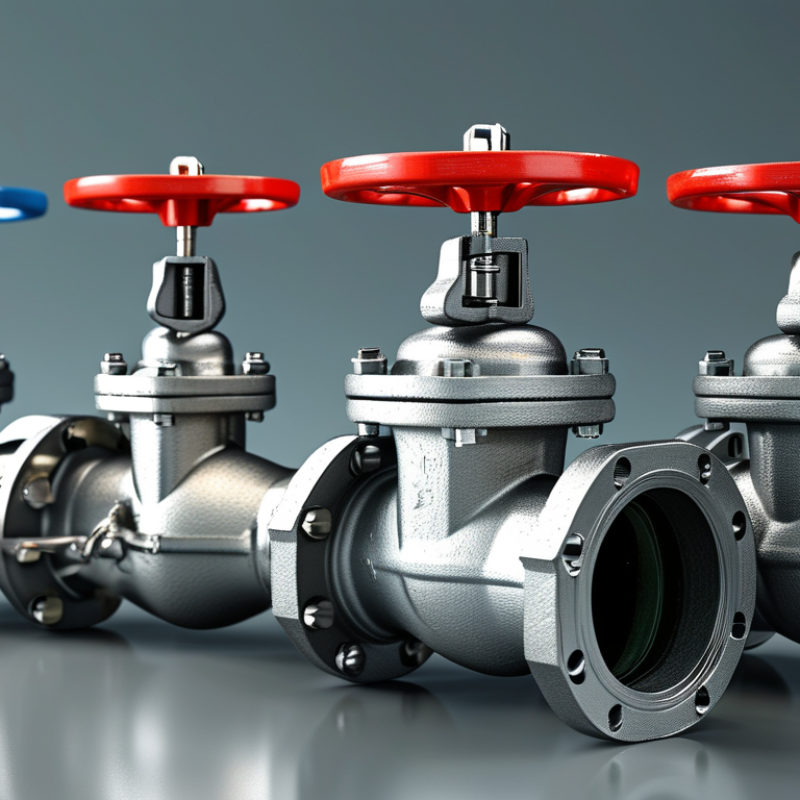
Understanding the Basics of Foot Valves and Their Functions
Foot valves play a crucial role in various fluid systems. They are designed to allow fluid to flow in one direction while preventing backflow. Understanding how they function can help in selecting the right type for your specific needs. A foot valve often incorporates a strainer to filter debris, ensuring that the pump operates efficiently. This is essential in applications ranging from irrigation to industrial uses.
When evaluating foot valves, consider the size and material. A well-chosen valve can lead to improved performance. However, many overlook the importance of compatibility with existing systems. Not all valves fit every application, and choosing the wrong one can lead to frequent malfunctions. Pay attention to the operating pressure and flow characteristics of the system.
Installation and maintenance are also important factors. A poorly installed valve can cause leaks or inefficiencies. Regular inspection helps maintain functionality but may require you to rethink your maintenance schedule. It's easy to underestimate the role of a foot valve until problems arise. Reflecting on previous experiences can guide future choices to avoid potential pitfalls.
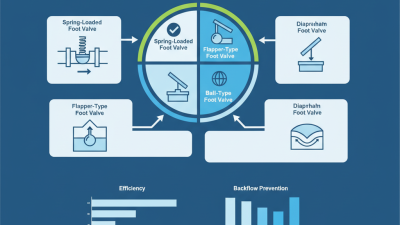
Foot Valves Performance Comparison
Identifying Your Specific Requirements for Foot Valve Applications
Choosing the right foot valves involves understanding specific application needs. These valves are crucial in fluid handling systems, ensuring proper flow control. It’s essential to evaluate the type of fluid, pressure requirements, and operational conditions. For instance, standard valves may struggle under high-pressure scenarios or corrosive environments.
Industry data indicates that nearly 32% of valve failures occur due to improper selection. This highlights the importance of matching valve specifications to actual needs. For example, in agricultural settings, a foot valve must handle not just water but also potential soil contaminants. An effective choice can improve system reliability, impacting productivity significantly.
Additionally, many users overlook maintenance needs. A valve that is robust under normal conditions might underperform if neglected. Regular checks can prevent costly disruptions. The wrong choice could lead to inefficiencies, potentially wasting up to 15% of system energy. Understanding your requirements ensures better performance and longevity of your application.
How to Choose the Right Foot Valves for Your Needs? - Identifying Your Specific Requirements for Foot Valve Applications
| Foot Valve Type |
Material |
Pressure Rating (psi) |
Size (inches) |
Applications |
| PVC Foot Valve |
PVC |
150 |
2 |
Irrigation, Water Transfer |
| Bronze Foot Valve |
Bronze |
200 |
3 |
Marine, Wastewater |
| Stainless Steel Foot Valve |
Stainless Steel |
300 |
4 |
Chemical Processing, Food Industry |
| Aluminum Foot Valve |
Aluminum |
250 |
2.5 |
Industrial, Compressed Air |
| Cast Iron Foot Valve |
Cast Iron |
150 |
5 |
Pumping Stations, Fire Protection |
Evaluating Different Materials and Designs for Foot Valves
When selecting the right foot valves, the material and design play crucial roles. Common materials include
PVC, brass, and
stainless steel. PVC is lightweight and resistant to corrosion,
ideal for freshwater systems. Brass offers strength and durability but may react in certain environments.
Stainless steel stands out for its robust performance and resistance to chemicals. Each material has its
strengths and weaknesses, making it vital to assess your specific application.
Design is another significant consideration. Quick-closing valves provide rapid shut-off, reducing water hammer effects.
On the other hand, slow-closing designs help prevent sudden pressure spikes. Sizes matter too; a valve that is too
small may restrict flow, while an oversized one can lead to inefficiencies. Take your time to evaluate how your
choice impacts the overall system performance.
It's important to recognize that no single valve will suit every scenario. Misjudgments in material or design
can lead to costly repairs and downtime. If uncertain, consulting with an expert can provide valuable insights
into the best options for your needs. Reflecting on past choices can significantly enhance future
decision-making.
Assessing Flow Rate and Pressure Specifications for Foot Valves
When selecting foot valves, it is crucial to understand your flow rate and pressure needs. Foot valves control the fluid flow in various applications, such as irrigation or water pumping. Choosing the right valve requires knowledge of the system's requirements. Different environments demand different specifications.
Flow rate is a key factor. Assessing the maximum flow rate helps determine the size of the valve. A valve too small for the flow will cause turbulence, leading to system inefficiency. On the other hand, an oversized valve can create excessive noise and waste energy. It's essential to find a balance that meets your unique demands.
Pressure specifications also play a vital role. Every system operates within a pressure range. Foot valves must withstand the maximum required pressure without failure. Analyze your system's pressure profile and select a valve that matches it. An incompatible valve can lead to leaks or catastrophic failure. This selection process may require testing and adjustments to find the optimal fit. Be prepared to reassess and modify as needed.
Making an Informed Decision: Pricing and Warranty Considerations
Selecting the right foot valves is crucial for optimal performance in various applications. Pricing often reflects quality, but the lowest price might not offer the best value. According to industry reports, a valve's cost can vary significantly, with standard models priced around $50, while specialized options can exceed $300. Beyond the initial cost, warranty considerations are vital. A robust warranty can indicate manufacturer confidence and provide peace of mind. Many reputable manufacturers offer warranties ranging from one to five years, which can be a telling sign of product reliability.
When assessing foot valves, consider expected maintenance and durability. Low-cost options may require frequent replacements, ultimately leading to higher long-term expenses. Investing in quality valves can reduce operational disruptions and enhance system efficiency. Understand the materials used in the valve construction. Plastic models might be lighter and cheaper but may not withstand harsh conditions as effectively as metal variants.
Look for certifications that verify performance, such as ASTM or ANSI standards. Such validation can guide customers toward reliable choices. Experts advise regularly reviewing the warranty terms to understand coverage and conditions. This proactive approach can save costs and improve overall satisfaction with your purchase.