2026 Top Types of Steel Flanges for Global Buyers
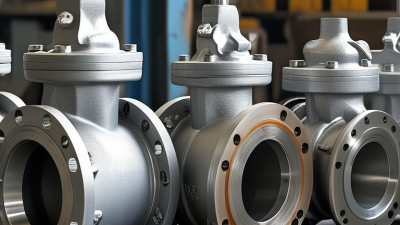
Choosing the right steel flanges is a practical decision with consequences at every joint: pressure rating, corrosion exposure, alignment, and maintenance access all matter. A raised-face weld-neck flange may suit a demanding process line, while a slip-on flange can be suitable for less severe service when the design permits. There is no universal winner. Small details matter.
The scale of steel supply adds context. World Steel Association reports that global crude steel production reached 1,882.6 million tonnes in 2024. That figure describes the wider material market, not flange output, so it should not be mistaken for a measure of flange availability. Henry Bessemer, the steelmaking pioneer, wrote, “I had in my mind the idea of making steel in large quantities, and in large quantities cheap.” His production insight remains relevant, but low price alone cannot establish suitability for a piping system.
This 2026 guide compares common steel flanges by design, connection method, and typical application. It also points buyers toward details that are easy to overlook: material grade, nominal size, pressure class, facing finish, and traceable documentation. ASME B16.5 and B16.47 provide important dimensional and rating references for covered flange types; project specifications still determine what is acceptable. Check the actual service conditions. A catalog description is not a substitute for engineering review, and this guide cannot resolve every project-specific uncertainty. That limitation matters.
How Steel Flanges Connect Pipes, Valves, and Equipment
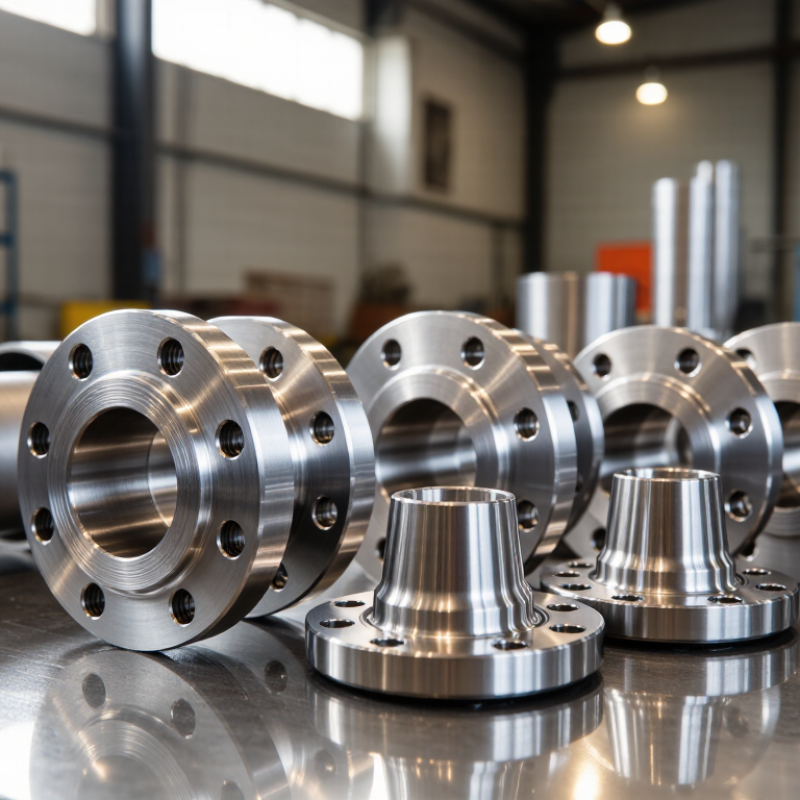
Steel flanges create bolted joints between pipe sections, valves, pumps, and process equipment. They let crews disconnect components for inspection or replacement without cutting the pipe. A flange pair works with a gasket, aligned bolt holes, and evenly tightened fasteners. Small details matter. If faces sit crooked, leaks may appear as pressure or temperature changes.
Common designs include weld-neck, slip-on, threaded, socket-weld, and blind flanges. Each suits different layouts, loads, and maintenance needs; no type fits every connection. Weld-neck flanges are often selected where stress cycling is a concern, while blind flanges close unused ends. Yet the name alone does not confirm suitability. Buyers should compare material grade, pressure class, facing, dimensions, and the applicable piping specification.
During installation, check that flange faces are clean and free of deep scratches. Use the specified gasket and tighten bolts in a cross pattern, following an appropriate torque procedure. It is tempting to rush this step. A neat-looking joint can still be uneven underneath. Keep inspection and test records, and verify compatibility with the connected valve or equipment before operation.
Which Materials and Standards Define Steel Flanges in 2026
In 2026, steel flange selection still begins with two questions: what is the service environment, and which standard controls the connection? ASTM A105 is widely used for forged carbon-steel flanges in ordinary pressure applications. A350 LF2 is often specified where low-temperature toughness matters. For stainless and alloy options, ASTM A182 covers grades such as F304, F316, and F11. Grade names alone are not enough. Confirm the material condition, heat treatment, and required impact testing against the project specification.
Dimensions and pressure ratings usually come from ASME B16.5 for many smaller flanges, or ASME B16.47 for larger sizes. These standards define details such as facing, bolt patterns, and pressure-temperature limits. API 6A may apply to flanges used in wellhead equipment, where its scope and requirements differ. Check the exact edition named in the purchase documents. A flange can match the pipe size and still be wrong.
Buyers should also compare the flange marking and material test certificate with the order, then verify pressure class, facing, and bolting. For sour service, additional material requirements may apply, including NACE MR0175/ISO 15156 where specified. Small paperwork gaps can become real delays. I would not treat “stainless” or “high pressure” as complete specifications; both leave too much open.
What Distinguishes the Main Types of Steel Flanges
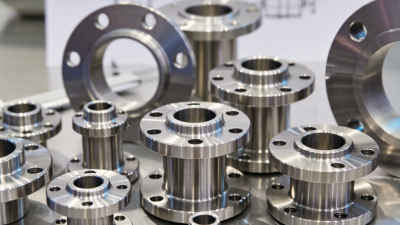
Steel flange types are distinguished by how they connect, carry loads, and allow maintenance. A weld neck flange has a tapered hub that helps transfer stress into the pipe. It is often selected for demanding pressure or temperature conditions, but its welding and alignment require skilled work. Fit matters.
A slip-on flange slides over the pipe and is welded around its edges. It can simplify installation, though the joint design may be less suitable for severe service than a properly specified weld neck connection. Socket weld flanges hold small-bore pipe inside a recessed opening. Threaded flanges avoid welding, but engineers must check whether threads suit the pressure, temperature, and vibration conditions.
A lap joint flange pairs with a stub end, letting the backing flange rotate during bolt alignment. This can help where frequent disassembly or careful positioning is expected. A blind flange closes a pipe end or vessel opening, so its thickness and rating matter under pressure. Not interchangeable.
In practice, buyers should compare the flange face, bore, dimensions, material grade, and pressure class against the piping specification. Two flanges may look alike on a warehouse shelf yet differ in sealing surface or drilling. I have seen selection rushed around nominal pipe size alone; that shortcut can leave a gasket sitting unevenly. Check drawings and service conditions before ordering.
Where Different Steel Flange Types Are Commonly Used
2026 Top Types of Steel Flanges for Global Buyers
Where Different Steel Flange Types Are Commonly Used
Weld neck flanges are common on high-pressure pipelines, steam lines, and equipment exposed to temperature changes. Their tapered hubs help distribute stress around the joint. They need careful alignment and qualified welding, so installation can take longer. That matters on a tight shutdown schedule.
Slip-on flanges suit many lower-pressure water, air, and process lines. They slide over the pipe before being welded in place. For small-bore connections, socket weld flanges offer a compact option, often used in instrument and utility piping. Check the service conditions closely. “Low pressure” alone does not settle the choice.
Blind flanges close pipe ends, vessel nozzles, or access points during isolation and pressure testing. Threaded flanges can be useful where welding is impractical, though vibration and pressure deserve particular attention. Lap joint flanges are often selected for systems requiring frequent dismantling, such as some inspection or cleaning lines. They pair with stub ends, which adds a detail buyers sometimes overlook.
Selection is not just about shape. Pressure class, steel grade, temperature, fluid, gasket, and applicable dimensional standard all affect compatibility. A flange that fits the bolt circle may still be unsuitable for the service. In practice, specifications can be incomplete; confirm the full duty conditions with the piping engineer before ordering.
2026 Top Types of Steel Flanges for Global Buyers
Where different steel flange types are commonly used
Bars count the listed typical application matches for each flange type. These are qualitative use-case associations, not market-share or sales figures. Actual selection depends on the applicable standard, pressure and temperature conditions, materials, and piping design.
How Global Buyers Choose the Right Steel Flange for a Project
Choosing a steel flange starts with the project conditions, not the catalog photo. Confirm the pipe size, pressure class, operating temperature, and fluid before comparing flange types. A raised-face weld neck flange may suit demanding pipework, while a slip-on flange can be practical for less severe service. The drawing matters. Check the applicable standard and dimensions against the mating valve, pipe, or equipment nozzle.
Material selection needs equal care. Carbon steel is common in general service, while stainless steel may be specified where corrosion resistance is important. Yet “stainless” is not a complete specification; the fluid, temperature, and cleaning conditions still matter. Ask for material certificates and verify grade, heat number, and traceability. Small mismatch, big trouble. Also check facing type and gasket compatibility. A flange that fits the bolt circle can still leak if its face or gasket does not match the joint design.
Buyers should review installation access, weld requirements, coating needs, and delivery documentation with the project engineer. For outdoor or coastal sites, storage and surface protection deserve attention too. These details are easy to overlook. I would not choose by price alone, though budget pressure is real. Compare the full specification, then confirm it against approved drawings and service conditions. A tidy spreadsheet cannot replace that final technical check.