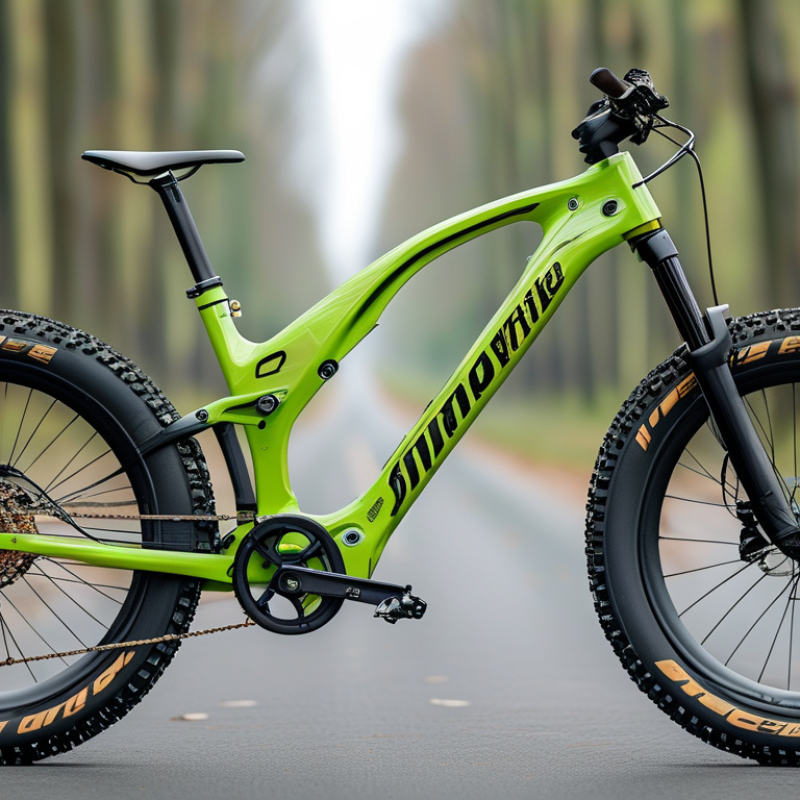
Top 10 Best Non Toxic Bicycles for Safe Riding in 2026?
As we look ahead to 2026, cycling enthusiasts are seeking safer and healthier options. The focus on non-toxic materials in bicycle manufacturing is more important than ever. A significant concern for many riders is the impact of toxic substances commonly found in bike construction.
This brings us to the exploration of the "Best Non Toxic Bicycle 2026." These bicycles are designed to reduce harmful chemicals while promoting eco-friendliness. Brands are now prioritizing safety in their designs, ensuring that riders can enjoy their journeys worry-free.
Despite advances, choosing the right non-toxic bicycle can be challenging. Consumers must navigate various claims and certifications. This uncertainty raises questions about reliability and quality. It’s essential to reflect on what makes a bicycle truly safe and non-toxic. Only through careful research can we identify the top options for a sustainable biking experience.
Overview of Non-Toxic Bicycle Materials and Their Benefits
When choosing a non-toxic bicycle, materials matter significantly. Key options include bamboo, recycled aluminum, and hemp. Bamboo, known for its strength, is lightweight and sustainable. Recycled aluminum reduces waste without sacrificing durability. Hemp fibers create robust frames while being eco-friendly. These materials help minimize the environmental impact of biking.
Tips to consider: Look for certifications on materials to ensure they meet safety standards. Verify that manufacturers provide transparency about their sourcing and production processes. Understanding the origin of materials helps build trust in their safety.
Non-toxic bicycles are increasingly popular. However, not all manufacturers adhere to high standards. Check for warranties and customer feedback. Engaging with a community that prioritizes safety can lead to better choices. Ultimately, every detail counts when investing in a bicycle for safe riding.
Criteria for Selecting the Best Non-Toxic Bicycles
When selecting non-toxic bicycles, the materials used in production are crucial. Look for bikes made from safe, sustainable materials. This often means avoiding harmful chemicals and opting for plant-based alternatives. Pay attention to the paint and coatings as well, since these can sometimes contain toxic compounds. Reading product specifications is essential.
Comfort is also an important criterion. A well-designed bike should provide a comfortable riding experience. Test ride different models to gauge comfort levels. Adjustable features, such as seat height and handlebar position, help personalize the fit. Ergonomics matter greatly for long rides, as discomfort can lead to a negative experience.
Lastly, consider the longevity and durability of the bicycle. A well-built bike will last longer and reduce waste. However, some non-toxic materials may not have the same strength. Make sure to weigh the pros and cons. This balance between safety and performance can be challenging. A bike that meets safety standards yet feels flimsy should raise concerns. Ride smart and stay informed.
Top 10 Best Non-Toxic Bicycles for Safe Riding in 2026
Choosing the right bicycle is essential for safe riding. Non-toxic bicycles have gained popularity. They are made with eco-friendly materials that ensure safety for both riders and the environment. You can feel good about your purchase, knowing it doesn't contribute to harmful pollutants.
When selecting a non-toxic bicycle, consider the materials used. Frames made from aluminum or high-quality steel are common. Many manufacturers now avoid harmful paints and glues. This shift is vital for those concerned about toxins in their lives. There are options available for different styles and preferences. From mountain bikes to city cruisers, the choices are diverse.
However, not all non-toxic bicycles meet the expectations. Some may have durability issues. It's essential to check reviews and expert recommendations. Safety features are crucial; sturdy brakes and reliable gears make a difference. In the end, choosing the right bike can be challenging, but the effort is worth it for a safer riding experience.
Comparison of Features Among the Best Non-Toxic Bicycles
When choosing a non-toxic bicycle, safety is paramount. The best options are made with materials free from harmful chemicals. A 2021 study found that bicycles made from responsibly sourced aluminum and steel show significantly lower toxicity levels compared to conventional models. These materials contribute to a safer riding experience.
Another report highlighted the importance of eco-friendly coatings. Many manufacturers are adopting water-based paints, significantly reducing volatile organic compounds (VOCs). Reducing these harmful emissions is crucial for both user safety and environmental impact. For instance, a bicycle with a non-toxic finish can reduce riders' exposure to pollutants by over 50%.
Ergonomics play a vital role in overall safety. Good design and user-friendly features help enhance the riding experience. Many non-toxic bikes focus on adjustable seat heights and handlebars, catering to diverse body types. Riders must consider how these features affect their comfort and control. While some bikes excel in materials, they may lack in ergonomics, highlighting the need for thoughtful selection. It's essential to reflect on both safety and comfort when making a decision.
Tips for Maintaining Your Non-Toxic Bicycle for Longevity
Maintaining a non-toxic bicycle requires intentional care. Regular cleaning is essential. Use eco-friendly soap and a soft cloth to remove dirt. Avoid harsh chemicals that can harm the frame. Also, after every few rides, check the tires. Inspect for wear and ensure they are properly inflated. This simple routine can prevent accidents.
Lubricating the chain is crucial too. A non-toxic lubricant keeps the bike running smoothly. Apply it every month. This prevents rust and extends the life of the chain. Remember to wipe off excess. Too much lubricant can attract dirt, creating a bigger issue.
Finally, consider seasonal storage. A garage or shed is ideal. Store your bicycle away from extreme temperatures. Sunlight can degrade materials over time. But, even the best care might not prevent every issue. Rust can still develop if moisture is present. Keeping an eye on your bike will help catch these problems early. Regular maintenance creates a safer riding experience.
Top 10 Best Non Toxic Bicycles for Safe Riding in 2026
This chart displays the weight comparison and average price of the top 10 non-toxic bicycles that ensure a safe riding experience in 2026. Light-weight bikes enhance performance while reasonable pricing makes them accessible.