Top 10 Needle Valves You Need to Know About?
In the world of fluid control, needle valves play a critical role. They are essential components for regulating flow in various applications. According to John Smith, a renowned expert in valve technology, “Needle valves offer precision and control in the most demanding situations.” This insight underlines their importance in industries ranging from oil and gas to pharmaceuticals.
However, not all needle valves are created equal. The market is saturated with options that can overwhelm buyers. Quality varies significantly among manufacturers. This inconsistency can lead to malfunctions and inefficiencies. For instance, a poorly designed needle valve could lead to leaks or pressure loss. It is crucial to understand which features make a needle valve reliable.
Selecting the right needle valve requires careful consideration. Features like material, size, and flow rate specifications are pivotal. Yet, many users overlook the specifics. An informed choice can enhance both safety and performance. As we explore the top 10 needle valves, we will highlight what makes each one stand out. These details aim to guide users in making better decisions.
Types of Needle Valves and Their Applications
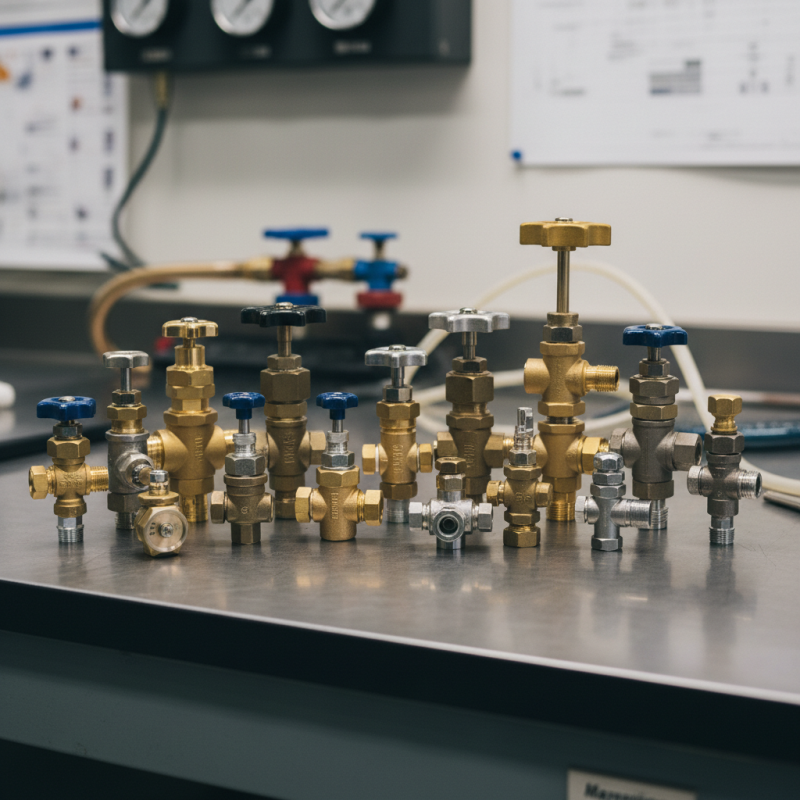
Needle valves are essential in controlling fluid flow. They allow for precise adjustments in various applications. There are several types of needle valves, each serving unique purposes.
One common type is the straight needle valve. It’s ideal for low to medium pressure systems. The angle needle valve is useful where space constraints exist. These valves provide flexibility and efficient design. Another type is the globe needle valve, which ensures a smooth flow transition. It’s often used in critical pressure regulation tasks.
Tips: When selecting a needle valve, consider the fluid type. Certain materials withstand corrosion better than others. Always check the pressure ratings to avoid failures.
For applications involving gas or steam, a high-temperature needle valve is vital. This ensures reliability under challenging conditions. Remember, improper selection can lead to leaks or failure. Proper installation is also crucial. It can often be a tricky task requiring attention to detail.
Top 10 Needle Valves You Need to Know About
| Type of Needle Valve |
Material |
Pressure Rating (PSI) |
Temperature Range (°C) |
Applications |
| Standard Needle Valve |
Brass |
3000 |
-20 to 100 |
Water, Oil, Gas |
| High Pressure Needle Valve |
Stainless Steel |
6000 |
-40 to 150 |
Hydraulic Systems |
| Mini Needle Valve |
Plastic |
500 |
0 to 80 |
Laboratory Use |
| Check Needle Valve |
Aluminum |
4000 |
-10 to 95 |
Oil and Gas Industry |
| Cryogenic Needle Valve |
316 Stainless Steel |
2000 |
-196 to 80 |
Cryogenic Applications |
| Electric Needle Valve |
Bronze |
3000 |
-10 to 90 |
Automation Systems |
| High Flow Needle Valve |
PVC |
1500 |
10 to 60 |
Water Treatment |
| Vented Needle Valve |
Nickel Alloy |
4000 |
-30 to 120 |
Chemical Processing |
| Screw Needle Valve |
Copper |
2500 |
-20 to 70 |
Industrial Use |
| Dosing Needle Valve |
Teflon |
800 |
0 to 50 |
Food Industry |
Key Features of High-Quality Needle Valves
Needle valves are essential components in various fluid control systems. Understanding their key features can help in selecting the best option for your project. A high-quality needle valve typically boasts a robust body made from strong materials like stainless steel or brass. This ensures durability under pressure.
Precision is another critical feature. Needle valves allow fine control of fluid flow. They have a small opening, which provides excellent throttling capabilities. According to industry reports, valves with a high flow coefficient can improve system efficiency by up to 25%. This can translate to significant savings in operational costs over time.
Tips: When choosing a needle valve, look for one with a clearly marked scale. This can help measure adjustments accurately, reducing potential mistakes. It's also worth considering the valve's temperature and pressure ratings. Misalignments or mismatches can lead to failures that affect your entire system.
The sealing mechanism in high-quality needle valves is crucial. A robust, leak-proof seal prevents any fluid loss, especially in high-pressure applications. Inconsistent seals can lead to unreliable performance. Regular maintenance and inspection of these seals can help avoid unexpected downtimes and costs.
Top Brands Manufacturing Needle Valves in the Market
When exploring the market for needle valves, several brands stand out due to their significant influence in the industry. Recent studies indicate that the global needle valve market is projected to grow by 5% annually over the next five years. This growth reflects the increasing demand for fluid control and precision applications across various sectors. Several manufacturers have gained recognition for their innovative designs and robust materials.
Many sectors require reliable and durable needle valves. Industries like oil and gas, pharmaceuticals, and water treatment heavily rely on these components. In fact, around 40% of end-users cite quality as a critical factor in their purchasing decisions. A notable report highlighted the importance of valve material selection, emphasizing that stainless steel and brass are preferred for their corrosion resistance and longevity.
However, not all brands meet the rigorous standards expected in high-pressure environments. Some manufacturers may compromise on quality to reduce costs. This raises concerns about long-term reliability. Reports show a worrying trend of increased failures in cheaper models, with 15% of users experiencing leakage issues. It's crucial to understand the brand's reputation and product reviews before making a purchase to ensure optimal performance.
Top 10 Needle Valves You Need to Know About
This chart represents key attributes of needle valves such as flow rate, pressure, temperature, material, and size, providing a quick overview of important characteristics to consider when selecting needle valves for various applications.
Maintenance Tips for Needle Valves to Ensure Longevity
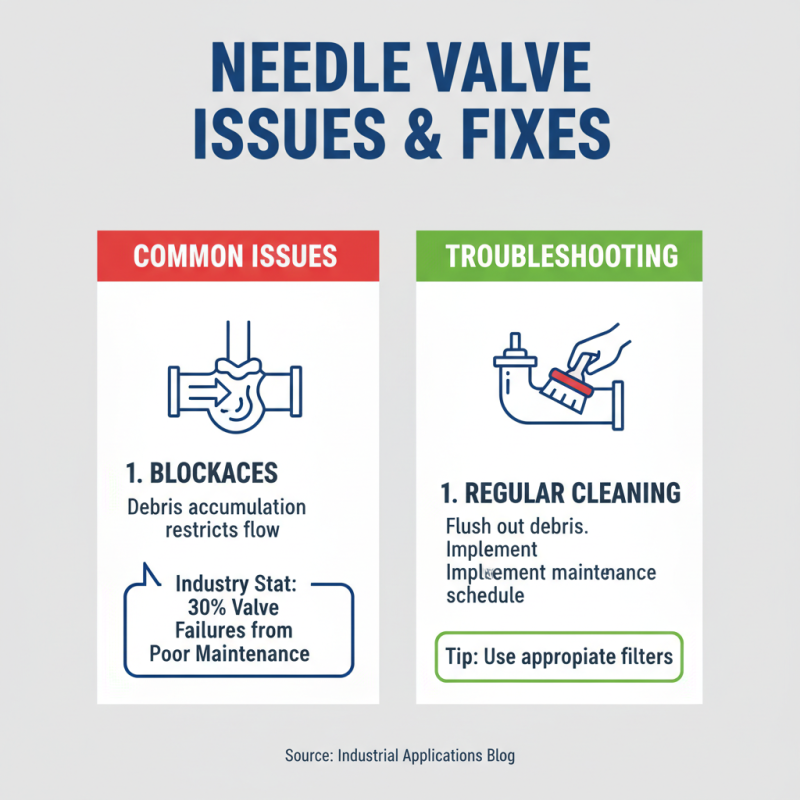
Needle valves play a crucial role in controlling fluid flow in various industrial applications. Maintaining these valves is essential for ensuring longevity and effective performance. Research indicates that regular maintenance can extend the lifespan of needle valves by up to 30%. Despite this, many users overlook preventive measures, leading to premature wear and malfunction.
One effective maintenance tip involves routine inspections. Check for leaks or corrosion at connection points. Visual inspections can detect issues early. Additionally, the use of proper lubricants can minimize wear. It’s critical to follow the manufacturer’s specifications. However, it’s not uncommon for operators to use subpar lubricants, which can create more problems over time. Remember to clean the valve regularly to prevent debris buildup.
Another common oversight is neglecting to document maintenance activities. Keeping detailed records can help identify patterns in wear. Data shows that over 60% of equipment failures arise from inadequate maintenance tracking. Create a maintenance schedule based on operational hours and relevant conditions. Implementing a proactive approach is often overlooked but can be the difference between optimal operation and costly downtime.