Top Mechanical Parts Suppliers What to Look For?
When searching for reliable mechanical parts suppliers, it's crucial to know what to prioritize. Quality and consistency are key factors. Mechanical parts are essential in a variety of industries, from automotive to aerospace. A good supplier can significantly impact your production quality.
Consider their experience and reputation in the market. A well-established supplier often means trust and reliability. Look for detailed reviews and testimonials from previous clients. Communication is also vital. A responsive supplier can address issues quickly and effectively. It's important to reflect on whether the suppliers you consider can meet your specific needs.
Cost is often a concern, but it shouldn't compromise quality. Low prices can sometimes indicate poor products. Balance is essential. Ensure that your chosen mechanical parts suppliers can deliver both affordability and excellence. Making informed choices here can lead to long-term partnerships and better outcomes.
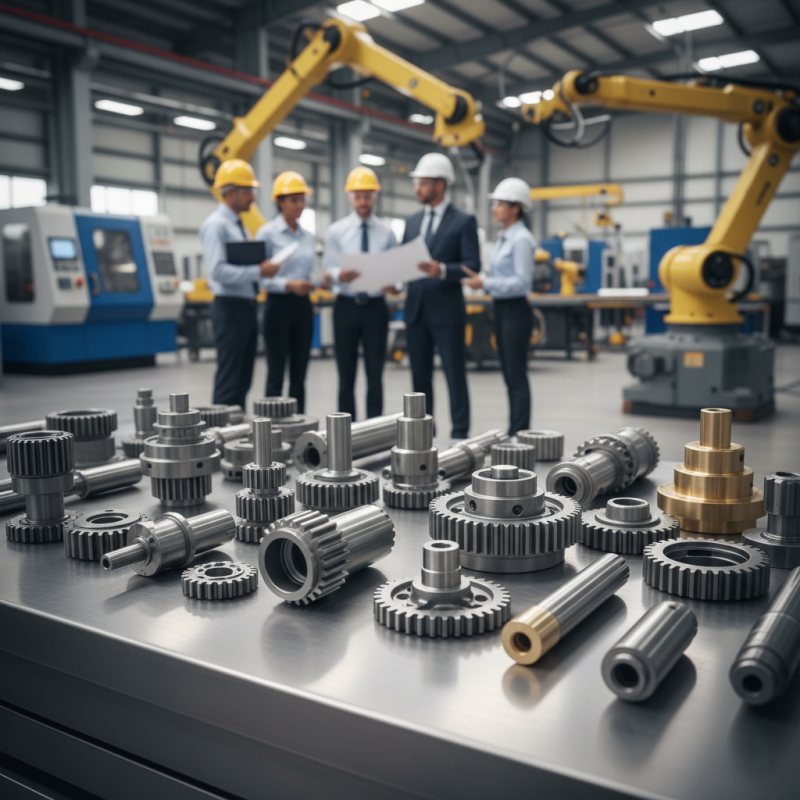
Identifying Key Characteristics of Top Mechanical Parts Suppliers
When searching for top mechanical parts suppliers, key characteristics play a crucial role. A recent report by an industry research firm highlighted that over 70% of businesses prioritize supplier reliability. Reliability ensures that parts are consistently delivered on time. This consistency is vital for maintaining production schedules. However, not all suppliers achieve this. Some may struggle with logistics or experience unexpected delays.
Another significant characteristic is technical support. According to a survey, nearly 60% of companies expect suppliers to provide ongoing assistance. This could range from technical advice to troubleshooting. Without this support, businesses may face production halts, leading to lost revenue. Yet, many suppliers fall short in this area, leaving their clients to navigate challenges alone.
Quality assurance is equally important. A study revealed that suppliers with robust quality control measures reduce defect rates by 30%. High-quality parts have a direct impact on the overall efficiency of machinery. Unfortunately, not every supplier adheres to strict quality standards. Companies need to be aware of this when selecting a supplier. Understanding these characteristics helps businesses make informed choices.
Understanding Quality Standards in Mechanical Parts Manufacturing
Understanding quality standards in mechanical parts manufacturing is crucial for any supplier relationship. According to industry reports, about 70% of manufacturers consider quality assurance their top concern. Reliable mechanical parts must meet stringent durability and performance criteria. These criteria often include material specifications, precision tolerances, and fatigue resistance.
In recent analysis, nearly 40% of mechanical failures stem from poor-quality parts. Faulty components can lead to significant production delays and safety hazards. Conducting thorough supplier audits helps identify those who adhere to industry standards. However, many suppliers still struggle to maintain consistent quality across their operations. A lack of standardized processes often leads to variability in product performance.
Additionally, certifications such as ISO 9001 are essential benchmarks for quality assurance in this field. Compliance with these standards enhances a supplier’s credibility. Yet, only about 30% of suppliers have achieved such certifications. This gap leaves room for improvement. Continuous monitoring and feedback loops can foster a culture of quality. Developing partnerships with suppliers that prioritize these values can help mitigate risks associated with poor-quality mechanical parts.
Top Mechanical Parts Suppliers What to Look For? - Understanding Quality Standards in Mechanical Parts Manufacturing
| Criteria | Description | Importance Rating (1-10) |
| Material Quality | Assessment of raw materials used in manufacturing parts | 9 |
| Manufacturing Process | Evaluation of the techniques and technology employed in production | 8 |
| Certifications | Compliance with international quality standards (e.g., ISO, ASTM) | 10 |
| Performance Testing | Tests conducted to ensure parts meet specified operational capabilities | 7 |
| Lead Time | Time required to manufacture and deliver parts after order placement | 6 |
| Customer Support | Availability of assistance and technical support throughout the purchasing process | 8 |
| Price Competitiveness | Comparison of pricing against industry standards and competitors | 7 |
| Innovation | The degree of advancement in design and technology used | 9 |
Evaluating Supplier Reliability and Delivery Performance
Choosing the right mechanical parts supplier is critical to operational success. Evaluating their reliability and delivery performance should be a top priority. According to a recent report by SupplyChainDive, over 70% of manufacturers face disruptions due to unreliable suppliers. This data emphasizes the importance of assessing a supplier’s track record.
Inspecting delivery performance is vital. Consider metrics such as on-time delivery rates. Reports suggest that suppliers with at least 95% on-time delivery are more likely to maintain consistent production flows. However, many suppliers struggle with this benchmark. It’s essential to ask potential partners how they handle delays and customer communication. These discussions can reveal their commitment levels.
Tip: Seek suppliers who offer transparent metrics and regular updates. This transparency can mitigate risks. It’s also wise to request customer references to gauge performance levels. An overlooked aspect is the flexibility of a supplier during peak demands. Some companies fail to scale up effectively, leading to compromises.
Always reflect on these factors before making a choice. The right supplier can make a significant difference in your operations. Analyze your options carefully to avoid potential pitfalls.
Assessing Customer Support and Technical Expertise
When selecting mechanical parts suppliers, customer support and technical expertise are crucial factors. A recent report shows that 72% of customers prioritize responsive support when choosing suppliers. This highlights the need for quick and effective communication. Suppliers should have dedicated teams to handle inquiries. Live chat options can enhance immediate assistance. However, some companies still rely heavily on email, which can delay responses.
Technical expertise is another vital aspect. A study found that 68% of customers feel more confident when suppliers demonstrate strong industry knowledge. This includes understanding complex projects and offering tailored solutions. Suppliers with experienced engineers on staff can provide invaluable insights. Yet, some firms may fall short in this area, leading to misunderstandings and costly errors.
Investing in customer education is essential. Providing resources like webinars or how-to guides can empower clients. However, only 39% of suppliers currently offer these proactive measures. It's important to reflect on gaps in customer engagement and how these can affect overall satisfaction. Addressing these issues can create a more supportive environment for clients.
Exploring Cost Structures and Pricing Models in Supply Partnerships
When exploring cost structures and pricing models in supply partnerships, understanding the dynamics is crucial. Recent industry reports indicate that supplier costs can vary significantly, often influenced by market demand, material availability, and geopolitical factors. Data from the Machinery Parts Association shows that suppliers account for nearly 50% of manufacturing costs in mechanical products. This means manufacturers must assess suppliers based on their pricing strategies.
Price models often include fixed pricing, variable pricing, and tiered pricing structures. Each model has its pros and cons. Fixed pricing offers stability but may not adapt to changing market conditions. In contrast, variable pricing might lead to unexpected cost fluctuations, creating budgeting challenges. Surveys indicate that 65% of manufacturers prefer transparent pricing to avoid hidden costs. Transparency fosters trust but requires diligence in supplier assessments.
Cost remains a vital factor, yet it is not the only criterion for choosing a supplier. Quality, delivery timelines, and after-sales service play significant roles. Companies should analyze the total cost of ownership, including maintenance and replacement expenses—often overlooked. Reports suggest that 70% of failed partnerships stem from unclear expectations, underscoring the need for detailed contracts. Finding a balance between cost, quality, and reliability is a continuous journey that demands reflection and adaptation.
Top Mechanical Parts Suppliers Cost Structures