Top Bending Metals Innovations You Need to Know in 2026?
As we approach 2026, the landscape of Bending Metals is undergoing remarkable transformations. With the global market for metal bending projected to exceed $33 billion by 2026, industries are increasingly leveraging advanced technologies. Automated bending machines and innovative materials are leading this evolution. According to the latest reports from industry experts, these advancements improve efficiency and precision in metal fabrication processes.
Innovators in this field are focusing on sustainable practices. Eco-friendly materials are gaining traction, driven by growing environmental awareness. A survey by the Metal Fabricators Association indicates that over 70% of manufacturers are prioritizing sustainable methods. This shift not only meets regulatory standards but also addresses consumer demands for responsible production.
However, challenges remain. The rapid pace of technological change necessitates continuous learning and adaptation. Companies must invest in employee training to harness these new tools effectively. The complexity of modern bending processes can be daunting, and businesses must reflect on their strategies to remain competitive. Embracing innovative practices in bending metals could redefine industry standards in the coming years.
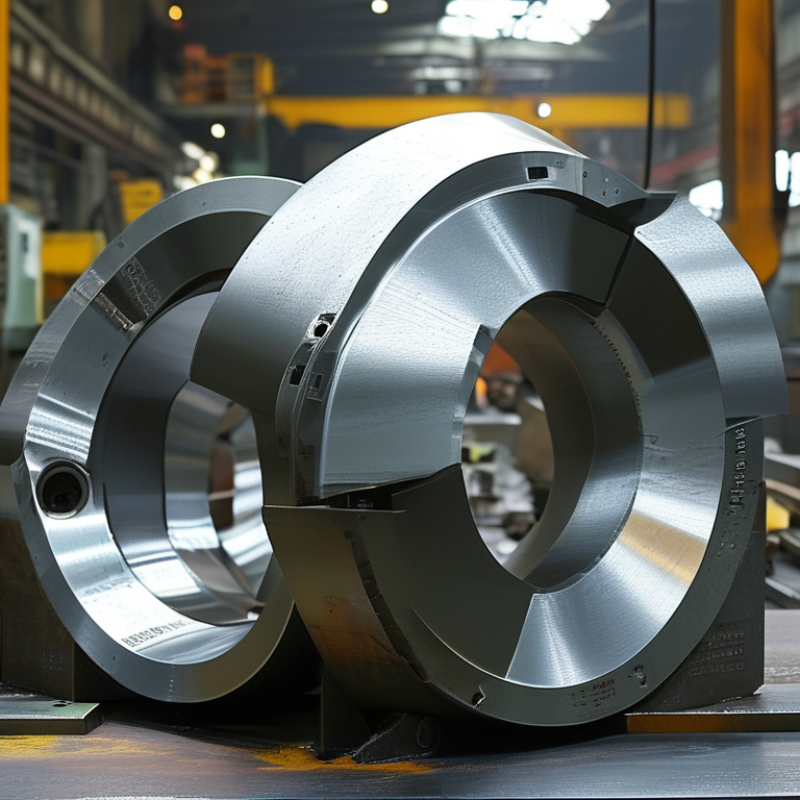
Advancements in Bending Techniques for Metal Fabrication in 2026
In 2026, advancements in bending techniques are transforming metal fabrication. With the rise of automation and smart manufacturing, bending processes are faster and more precise. Innovative machinery now utilizes AI to enhance productivity. Reports indicate that automated bending technologies can reduce production time by up to 30%. This shift allows manufacturers to meet increasing demand efficiently.
The integration of advanced materials is another game-changer. Metals like high-strength alloys are lighter and stronger, allowing for more complex designs. These materials enable tighter bends, pushing the limits of traditional metalworking. Data shows that manufacturers adopting these innovations see a 20% increase in design flexibility.
Tips for embracing these advancements: Explore training programs for your workforce. Proper training enhances skill sets, ensuring that teams leverage new technologies effectively. Regular equipment maintenance is crucial to maximize performance. Embrace collaborative approaches among departments to improve workflow efficiency. With ongoing improvements, staying informed about innovations will position your business at the forefront of the industry.
Innovative Materials Revolutionizing Metal Bending Processes
The realm of metal bending is undergoing significant innovations. In 2026, advanced materials are transforming how manufacturers approach bending processes. Innovative metals like titanium alloys and advanced high-strength steel are gaining traction. These materials provide exceptional durability and flexibility, allowing for more complex designs. According to a recent report by the International Metalworking Federation, the use of advanced materials can enhance production efficiency by up to 30%.
Even with these advancements, challenges remain in processing. Techniques such as laser bending and incremental forming have gained popularity, yet they require skilled operators. These processes can be more costly and may not yield consistent results. Manufacturers must weigh these pros and cons when implementing new technologies.
Tip: Invest in training your workforce to adapt to these new techniques. Skilled operators can significantly improve output quality and reduce production time. Keeping abreast of industry trends can also help businesses remain competitive. Staying informed is key in an ever-evolving market.
Top Bending Metals Innovations You Need to Know in 2026
The Role of Automation in Metal Bending Solutions
The landscape of metal bending is evolving rapidly with automation at the forefront. Automated systems streamline processes in manufacturing. They enhance precision and reduce human error. With robotics, metal bending can achieve complex shapes swiftly. This technology minimizes waste and optimizes material usage.
Integrating smart software allows for real-time adjustments. Machines can learn from past bending tasks. This capability leads to improved outcomes over time. Operators can monitor performance remotely, creating a more efficient environment. However, reliance on automation raises questions.
Can the human touch still be important? Skilled operators possess knowledge crucial for nuanced tasks. Automation should complement human expertise, not replace it. Finding that balance is essential as we embrace new innovations in metal bending. The future lies in harnessing both technology and human insight.
Sustainability Trends in Metal Bending Innovations
Sustainability trends are reshaping metal bending innovations in 2026. As industries strive for greener solutions, new materials and technologies emerge. Techniques that minimize waste are gaining traction. This evolution helps manufacturers reduce environmental footprints while maintaining product quality.
Exploring eco-friendly alloys produces promising results. These materials often require lower energy for processing. Bending practices now integrate renewable energy sources, making operations more sustainable. The industry sees a push for upcycled metals. This trend not only conserves resources but also sparks creativity in design.
**Tips:** Focus on training workers in sustainable practices. Educate teams on the benefits of using eco-friendly materials. Always review processes for waste reduction opportunities. Reflecting on practices can open doors to innovation. Embracing sustainability is not just about compliance; it’s about leading the way in a responsible industry.
Top Bending Metals Innovations You Need to Know in 2026 - Sustainability Trends in Metal Bending Innovations
| Innovation | Description | Sustainability Impact | Key Benefits |
| Advanced CNC Bending | Utilizes computer numerical control for precision metal bending processes. | Reduces material waste by optimizing bend processes. | Increased accuracy and reduced operational costs. |
| Eco-Friendly Coatings | Use of bio-based or low-VOC coatings for metal finishes. | Minimizes environmental impact from toxic substances in manufacturing. | Improved safety and compliance with environmental regulations. |
| Hybrid Bending Machines | Combines mechanical, hydraulic, and electric technologies for enhanced flexibility. | Lower energy consumption and higher efficiency in production. | Versatility in handling various materials and thicknesses. |
| Smart Bending Tools | Integrated sensors that monitor forces and provide real-time feedback. | Supports better resource management and reduces waste. | Increased process reliability and reduced manual intervention. |
| Sustainable Material Sourcing | Focus on recycled metals and sustainable alloys in fabrication. | Lowers carbon footprint and promotes circular economy principles. | Cost savings and enhanced brand reputation. |
Applications of Smart Technology in Metal Bending Industries
Smart technology is transforming the metal bending industry significantly. In 2026, innovations will focus on automation, data analytics, and advanced materials. According to a recent report by MarketsandMarkets, the smart manufacturing market is projected to reach $400 billion by 2026. This shift enables precise bending operations and reduces waste.
Implementing Internet of Things (IoT) devices in bending machines enhances real-time monitoring. For instance, sensors can track material strain, ensuring optimal bending angles. This reduces errors and improves safety. Reports indicate that a 20% decrease in material waste can save companies significant costs. Consequently, investing in smart technology not only boosts efficiency but also benefits the environment.
Tip: Regular training for staff on new technologies can improve utilization rates. Workers must adapt quickly to these changes. Smart tools can only achieve their full potential with knowledgeable operators. Emphasizing ongoing education can bridge this gap and drive productivity.
One challenge remains: integrating old equipment with new technology. Many manufacturers struggle to modernize their workflows while retaining existing assets. This can lead to inefficiencies and operational delays. Addressing these issues requires innovative strategies and potentially tough decisions. Balancing legacy systems with modern solutions will be critical for future success.