Top 10 Industrial Embedded PC Solutions for Global Buyers?
In the rapidly evolving landscape of industrial technology, the need for reliable Industrial Embedded PCs has never been more critical. These specialized computers are designed to withstand harsh environments, ensuring that manufacturing processes run smoothly. These devices offer significant performance and flexibility to meet the diverse needs of global industries.
Selecting the right Industrial Embedded PC can be challenging. Buyers must consider factors such as processing power, durability, and connectivity. Each application has unique requirements, from automation in factories to data management in logistics. The wrong choice can lead to inefficiencies and increased costs.
As we explore the top 10 industrial embedded PC solutions, we highlight options that combine performance with reliability. This guide aims to assist buyers in making informed decisions. The journey to find the ideal solution is complex, yet vital for sustaining competitive advantage. Discover how these systems can enhance productivity while addressing specific industrial challenges.
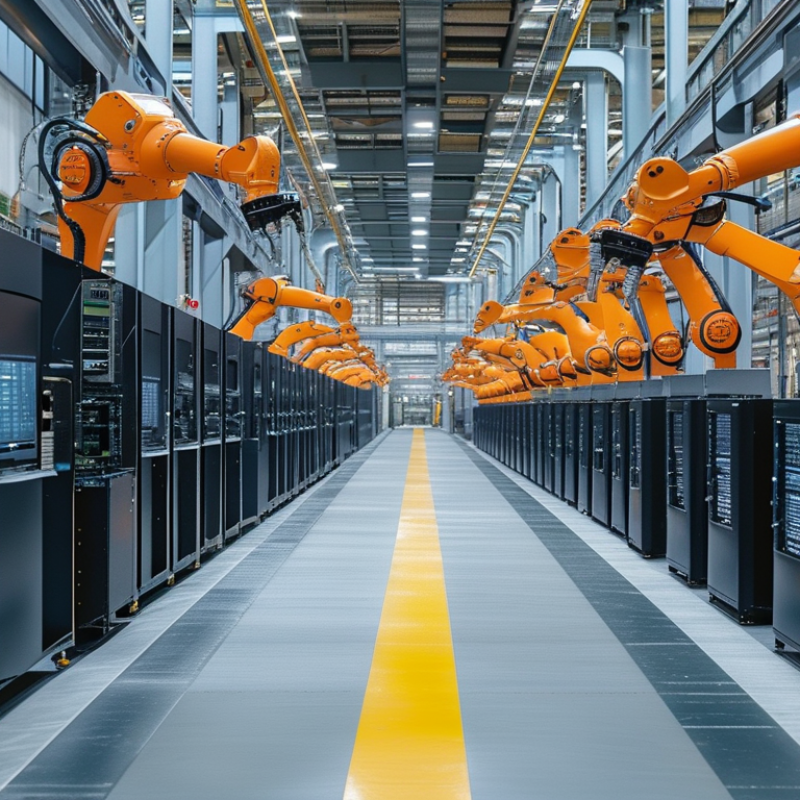
Overview of Industrial Embedded PC Solutions
Industrial embedded PCs are vital for a variety of applications. They are designed to operate in harsh environments, ensuring reliability and efficiency. These systems often integrate advanced features such as real-time processing and rugged build quality. Applications range from automation in factories to healthcare monitoring systems.
When selecting an embedded PC, consider the operating temperature range. Many industrial settings expose devices to extreme temperatures. The materials used in construction also matter; using durable materials ensures longevity. Ensure your chosen solution meets IP ratings for dust and moisture resistance.
Tips: Evaluate your specific needs before purchasing. Analyze processing power, connectivity options, and expansion capabilities. Each application requires unique specifications, and one size does not fit all.
Investing time in research pays off. Explore different architectures that can support your applications. While many embedded PCs claim to be robust, always verify their performance through real-world testing.
Top 10 Industrial Embedded PC Solutions Overview
Key Features to Consider in Industrial Embedded PCs
When selecting an industrial embedded PC, several features are essential to consider. First, the hardware durability must align with your specific operational environment. Industrial PCs often operate in harsh conditions. Look for units with robust enclosures to withstand dust, moisture, and extreme temperatures.
Another critical factor is connectivity options. Evaluate the need for various communication ports. Ethernet, USB, and serial connections should be available. Device interconnectivity can significantly enhance functionality within industrial settings. Consider the compatibility of the embedded PC with your existing systems.
Tips: Check the specifications thoroughly. Look for longevity in parts and support.
The processing power is vital, too. Choose a processor capable of handling your applications’ demands. Depending on your tasks, you may need advanced graphics capabilities. Assess how the PC will perform under load. Reliability of performance should not be overlooked.
Tips: Run stress tests to ensure your choice can handle peak operations.
Lastly, consider the software compatibility. Ensure the operating system and drivers align with your applications. This alignment can reduce integration issues. Flexibility for future upgrades can add significant value. Evaluate the long-term relevance of your chosen system.
Top 10 Industrial Embedded PC Models for Global Markets
The industrial embedded PC market is rapidly evolving. According to a recent report, the global market is projected to reach $10.65 billion by 2026, growing at a CAGR of 6.9%. This growth is fueled by the increasing demand for automation across various sectors. Industries such as manufacturing and logistics are integrating embedded PCs to enhance operational efficiency.
Several models stand out in today’s market. They offer features like compact sizes, robust processing power, and reliable connectivity. These models often support real-time data processing, essential for applications in IoT and edge computing. In critical environments, durability matters. Many solutions are designed to withstand extreme temperatures and vibrations, ensuring consistent performance.
However, challenges remain. The rapid pace of technological advancement can lead to compatibility issues. Buyers must ensure that new models can integrate with existing systems. Additionally, keeping up with evolving security standards is vital. Manufacturers face constant pressure to provide secure solutions while maintaining cost-effectiveness. These factors create a complex landscape for global buyers navigating the embedded PC market.
Comparative Analysis of Performance and Reliability
In the realm of industrial embedded PCs, performance and reliability are paramount. Recent industry reports indicate that nearly 70% of buyers prioritize these factors when making purchasing decisions. Performance metrics often hinge on processing speed, energy consumption, and thermal reliability. Accurate benchmarking data reveals that high-performance embedded systems can process data at rates exceeding 10 GHz, which is crucial in real-time applications. Yet, it's important to consider that not all systems maintain this performance under stress conditions.
Reliability is equally crucial. A study by a leading industry analyst highlighted that failure rates in industrial settings can exceed 15% without proper testing and quality control. The best solutions show a Mean Time Between Failures (MTBF) of over 100,000 hours. However, the reality is that many embedded PCs fail to achieve this benchmark. Potential buyers must conduct thorough assessments to ensure that the chosen solution meets industry standards. Ignoring these factors could lead to downtime and increased operational costs.
Lastly, environmental durability plays a significant role. Industrial PCs often face extreme temperatures, humidity, and vibrations. Solutions with robust designs are essential, yet it's common for providers to underestimate the impact of these conditions. Choosing a solution based on empirical evidence rather than marketing claims fosters informed decisions. Proper due diligence in this area is vital to ensure both performance longevity and operational reliability in demanding industrial environments.
Top 10 Industrial Embedded PC Solutions for Global Buyers
| Solution Name | CPU Type | RAM Size | Storage Type | Operating Temp | Reliability Rating | Performance Score |
| Model A | Intel i7 | 16 GB | SSD 512 GB | -20°C to 70°C | 5/5 | 90 |
| Model B | AMD Ryzen 5 | 8 GB | HDD 1 TB | -10°C to 60°C | 4/5 | 85 |
| Model C | Intel i5 | 32 GB | SSD 1 TB | -30°C to 75°C | 5/5 | 92 |
| Model D | Celeron | 4 GB | SSD 256 GB | 0°C to 50°C | 3/5 | 70 |
| Model E | Xeon | 64 GB | SSD 2 TB | -20°C to 85°C | 5/5 | 95 |
| Model F | Intel i9 | 32 GB | NVMe 1 TB | -10°C to 70°C | 4/5 | 88 |
| Model G | AMD FX | 16 GB | HDD 500 GB | 0°C to 60°C | 3/5 | 75 |
| Model H | Intel m3 | 8 GB | eMMC 64 GB | -10°C to 50°C | 4/5 | 80 |
| Model I | AMD A10 | 12 GB | SSD 256 GB | -20°C to 60°C | 4/5 | 83 |
| Model J | Celeron N | 4 GB | eMMC 32 GB | 0°C to 45°C | 3/5 | 68 |
Application Areas and Use Cases for Embedded PCs in Industries
Embedded PCs are revolutionizing several industries. In manufacturing, they control machinery and gather data in real-time. Reports show that 70% of companies see efficiency gains from using these systems. They minimize downtime and enhance productivity. In transportation, embedded PCs manage logistics and fleet operations. These systems improve route efficiency and reduce fuel consumption by up to 30%.
The healthcare sector also benefits greatly from embedded PCs. They enable remote patient monitoring and help in managing medical devices. A study indicates that healthcare providers using these technologies report a 25% reduction in operational costs. The data accuracy from these systems enhances patient care quality.
Tips: Always assess the specific needs of your application. Each industry has unique requirements. Ensure compatibility with existing infrastructure. Calibration and testing are critical. Small mistakes can lead to costly errors. Don't overlook cybersecurity; as reliance on these systems grows, so does the risk. Regular updates are necessary to protect sensitive data.