Top 10 Filter Cloth Suppliers in China You Should Know?
In the ever-evolving landscape of industrial filtration, the demand for high-quality Filter Cloth has surged. Experts emphasize the significance of selecting reliable suppliers. One notable authority in the field, Dr. Ellen Carver, stated, "The right Filter Cloth can dramatically improve efficiency and reduce costs in filtration processes."
China stands at the forefront of the Filter Cloth industry, housing numerous suppliers that vary in quality and reliability. Navigating this market can be challenging. It’s crucial to identify the top suppliers who consistently deliver exceptional products. This ensures that businesses are well-equipped for their filtration needs.
While the options may seem overwhelming, focusing on reputable suppliers can make a difference. Each supplier has strengths and weaknesses. Understanding these nuances is vital for making informed decisions. It's essential to reflect on not just the price, but also on the quality and service offered. In the end, choosing the right Filter Cloth supplier is pivotal for success in industrial applications.
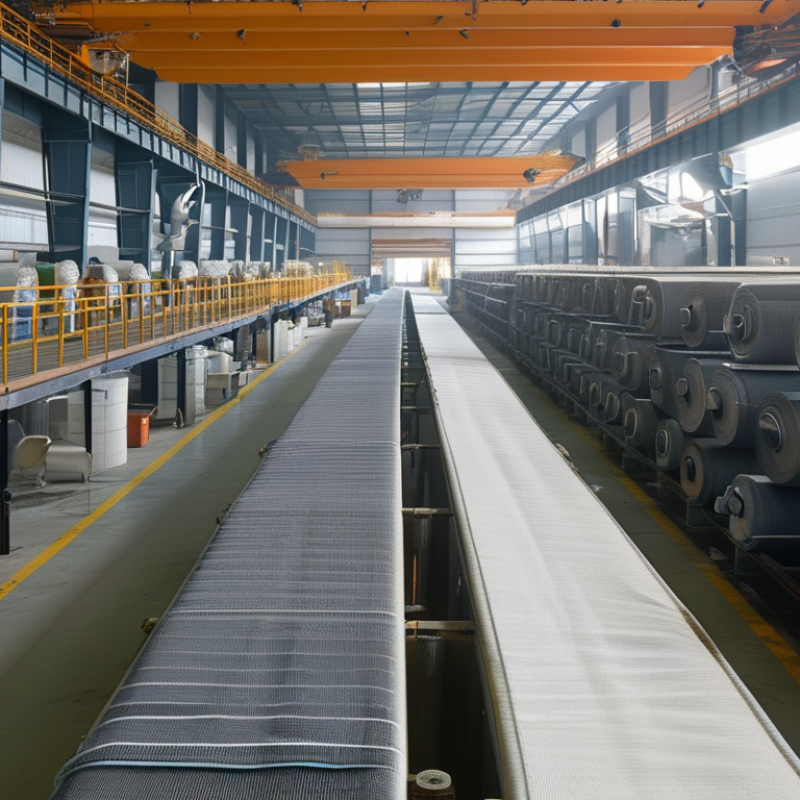
Overview of the Filter Cloth Market in China
The filter cloth market in China is experiencing rapid growth. In 2022, the market was valued at approximately $3.2 billion. By 2027, this figure is projected to reach $5 billion, reflecting a robust annual growth rate. This expansion is driven by increased industrial activities and environmental regulations that demand efficient filtration systems.
The demand for filter cloth is diverse. Industries such as mining, wastewater treatment, and food processing rely heavily on high-quality filtration solutions. A report from a leading industry analysis firm indicates that the construction segment is the fastest growing. Filter cloths play a crucial role in solid-liquid separation processes, making them indispensable. However, quality control remains a challenge. Issues with durability and performance inconsistencies need addressing for sustainable growth.
Innovative materials and technologies are shaping the future of this market. Polypropylene and polyester are commonly used due to their cost-effectiveness. Nevertheless, the industry struggles with environmental impact. The production often generates significant waste, prompting a rethink on sustainability practices. Moving forward, companies must balance innovation with ecological responsibility to maintain credibility in the market.
Criteria for Evaluating Filter Cloth Suppliers
When evaluating filter cloth suppliers, several key criteria come into play. Quality is paramount. A reliable supplier should provide durable materials that resist corrosion and wear. According to recent industry reports, about 70% of filter cloth failures stem from inferior material quality. Thickness and permeability are crucial metrics; suppliers should offer specifications that fit your filtering needs precisely.
Another vital aspect is service and support. Suppliers should have a responsive customer service team. They need to assist with troubleshooting and offer guidance on selection. Research shows that approximately 60% of customers value post-purchase support. This can indicate how well suppliers understand their own products and the overall industry.
While pricing can be an influential factor, it shouldn't overshadow other criteria. A low-price supplier might cut corners on quality, leading to larger costs down the line. According to studies, the total cost of ownership often increases when choosing cheaper options. Therefore, balancing cost with quality and support is essential for sustainable sourcing. Make informed decisions based on comprehensive evaluations to ensure the utmost reliability.
Top 10 Filter Cloth Suppliers: Key Features and Offerings
When considering filter cloth suppliers in China, several key features stand out. Quality and material variety are crucial. High-quality filter cloth is often made from synthetic fibers or natural materials. These options cater to diverse applications across industries. According to a recent report by Market Research Future, the global filter cloth market is projected to reach $2.5 billion by 2025. This growth highlights the rising demand for effective filtration solutions.
Many suppliers focus on customization to meet specific customer needs, providing tailored solutions. This is significant, as different industries—ranging from food and beverage to mining—require unique specifications. An article in Filtration + Separation noted that up to 70% of industries prefer custom filter cloth that aligns with their operational requirements. Although customization is appealing, it can complicate supply chain management. Suppliers must balance customization with efficiency to meet delivery timelines.
Another essential aspect is compliance with international quality standards. Many suppliers claim adherence to ISO certifications. However, differing local regulations can create challenges. A study by Deloitte revealed that 43% of manufacturers faced compliance issues when exporting. This indicates a need for thorough vetting of suppliers to avoid future problems. Therefore, while various options exist, careful consideration is vital for selecting the right filter cloth supplier.
Comparative Analysis of Pricing and Quality Among Suppliers
When evaluating filter cloth suppliers in China, pricing and quality emerge as critical factors. Many suppliers offer similar products, but price differences can be significant. Some may provide lower costs but compromise on quality. A closer examination often reveals that cheaper options might not last as long, leading to higher long-term expenses. Buyers should consider the total cost of ownership rather than just the initial price.
Quality is also subjective. Not all materials are created equal. Some suppliers may prioritize durability, while others focus on filtration efficiency. This can affect performance in various applications. Users often report needing to test products in real-world conditions to understand their performance. A common suggestion is to request samples before making bulk purchases. This way, buyers can make informed decisions that align with their specific needs.
In the competitive landscape of filter cloth supply, understanding the balance between price and quality is essential. Regular feedback from past customers often highlights areas for improvement. Transparency in the manufacturing process can also boost credibility. Buyers should seek out suppliers who provide clear information on their materials, production methods, and previous customer experiences. This can lead to better choices in an evolving market.
Top 10 Filter Cloth Suppliers in China - Comparative Analysis of Pricing and Quality
| Supplier Rank | Price (USD/m²) | Quality Rating (1-5) | Production Capacity (m²/month) | Delivery Time (Days) | Customer Satisfaction (%) |
| 1 | 1.50 | 4.7 | 50000 | 30 | 95 |
| 2 | 1.75 | 4.5 | 60000 | 25 | 90 |
| 3 | 1.60 | 4.2 | 45000 | 35 | 88 |
| 4 | 1.80 | 4.4 | 70000 | 20 | 92 |
| 5 | 1.55 | 4.6 | 52000 | 28 | 91 |
| 6 | 1.70 | 4.3 | 48000 | 33 | 87 |
| 7 | 1.65 | 4.2 | 50000 | 29 | 89 |
| 8 | 1.85 | 4.1 | 62000 | 19 | 85 |
| 9 | 1.40 | 4.8 | 55000 | 32 | 94 |
| 10 | 1.90 | 4.0 | 70000 | 24 | 83 |
Future Trends in the Chinese Filter Cloth Industry
The Chinese filter cloth industry is on the brink of significant transformation. Rising environmental concerns drive demand for sustainable materials. Companies are focusing on innovative designs and eco-friendly fabrics. This shift reflects a broader global trend toward sustainability and responsible sourcing. It also comes with challenges, such as the need for effective waste management practices.
Technology is playing a crucial role in this evolution. Advances in weaving techniques allow for better filtration efficiencies. Manufacturers are adopting digital solutions to streamline production. However, this technology integration is not without difficulties. Many companies struggle with the initial cost of investment. Additionally, there is a skill gap in the workforce that needs to be addressed.
Another aspect to watch is the impact of regulatory changes. The government is enforcing stricter environmental regulations. Compliance can be challenging for smaller suppliers. They may find it hard to meet new standards while remaining competitive. This creates a complex landscape where adaptability is key. Companies that can innovate and comply will lead the future market.