Top 5 Fiber Switch Options for Your Network Needs?
In today’s fast-paced digital landscape, the demand for efficient networking solutions is greater than ever. Fiber switches play a crucial role in meeting this demand. According to a recent report by MarketsandMarkets, the global fiber switch market is anticipated to grow from $1.2 billion in 2021 to $2.8 billion by 2026, highlighting increasing investment in high-speed connectivity. These switches provide enhanced bandwidth and reduced latency, essential for modern applications.
Choosing the right fiber switch can be daunting. Various options exist, each serving distinct needs. Factors such as port count, compatibility, and management features should be considered. A poor choice may lead to network bottlenecks. Some businesses overlook these aspects, resulting in inefficiencies that could hinder performance.
In exploring the top fiber switch options, reliable recommendations are vital. Leveraging expert insights ensures you select a solution tailored to your needs. Scrutinizing features and performance metrics can guard against future pitfalls. Balancing cost and functionality will ultimately help in building a robust network infrastructure. Your choice of fiber switch can determine the success of your connectivity strategy.
Understanding Fiber Switches: Definition and Purpose
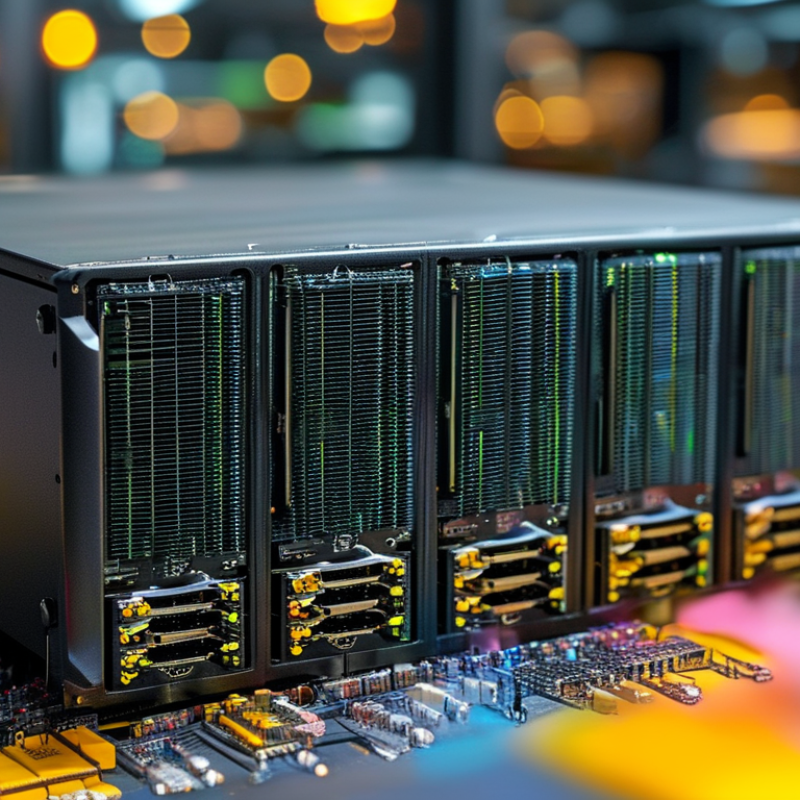
Fiber switches are essential components in modern networks. They facilitate high-speed data transfer by connecting various devices over fiber optic cables. Understanding their function is crucial for anyone setting up a robust network.
When choosing a fiber switch, consider your specific needs. Think about the number of ports required. Larger networks may need switches with more ports to accommodate additional devices. Also, evaluate the switch's speed and data handling capabilities. This ensures optimal performance, especially with high-bandwidth applications.
Tip: Regularly update your network's firmware. This enhances security and improves functionality. An outdated switch can lead to performance issues.
Another consideration is the management features. Managed fiber switches offer extensive control over network settings. However, they require more expertise to configure. If you lack technical knowledge, an unmanaged switch may be simpler.
Tip: Monitor your network traffic. This helps detect bottlenecks and plan for future upgrades. Ignoring this aspect may lead to frustrations down the road.
Factors to Consider When Choosing a Fiber Switch
When choosing a fiber switch, consider the network requirements first. Determine the number of devices to connect. This influences the number of ports you need. Think about the data traffic. High traffic demands a switch with higher bandwidth capacity. Assess your current equipment, as compatibility is essential. Different switches have varying interface types.
Next, look at the features available. Managed switches provide more control, but they can be complex. Unmanaged switches are simpler but lack advanced features. Security is another critical aspect. Some switches offer enhanced security protocols to protect sensitive data. Reliability is key, especially for business operations.
Don’t overlook the environmental factors. Heat generated by switches can affect performance. Ensure adequate cooling in your setup. Reflect on your long-term needs as well. A switch might seem adequate now, but future expansion could require more capacity. Striking the right balance between cost, features, and scalability is vital. It's about finding the best fit for your unique circumstances.
Top 5 Fiber Switch Models and Their Key Features
Choosing the right fiber switch can greatly enhance your network efficiency. Each model comes with unique features tailored to specific needs. Some switches support a high bandwidth capacity, making them ideal for data-intensive applications. You may also find models with versatile port configurations, allowing for better scalability in growing networks.
A noteworthy feature is the ability to integrate with existing infrastructure. Many fiber switches support various protocols and standards, ensuring compatibility with legacy systems. This can streamline operations but also raise concerns about potential bottlenecks. Often, users overlook the importance of easy management tools. These tools can simplify configuration and monitoring, yet a learning curve may exist.
Flexibility is another key aspect when selecting a switch. Some models offer a mix of fiber and copper ports. This provides options for different types of connections. However, the complexity of managing different types of connections can be frustrating. Evaluating your current and future needs is essential. This reflective process can reveal gaps in your network capabilities. A well-chosen fiber switch can make a difference, but thorough research is crucial.
Top 5 Fiber Switch Options for Your Network Needs
| Model | Port Count | Speed | Layer | Key Features |
| Model A | 24 | 10Gbps | Layer 2 | VLAN support, Jumbo frames |
| Model B | 16 | 1Gbps | Layer 3 | Routing capabilities, SNMP |
| Model C | 48 | 25Gbps | Layer 2/3 | High throughput, PoE capabilities |
| Model D | 8 | 10Gbps | Layer 2 | Compact design, Fanless operation |
| Model E | 12 | 40Gbps | Layer 3 | Redundant power, Advanced QoS |
Comparative Analysis of Performance Metrics for Fiber Switches
When selecting fiber switches, performance metrics are crucial. Throughput, latency, and energy efficiency play significant roles. Analyzing these factors helps identify the best fit for network demands. A switch with higher throughput will generally support more simultaneous connections, ideal for busy networks. Latency affects data transfer speed, impacting real-time applications. Energy-efficient models reduce costs over time, making them an excellent choice for sustainable networks.
Tip: Consider the future growth of your network. Opt for a switch that can scale with your needs. This foresight will save time and resources down the line.
Another point of concern is the ease of management. Some switches come with user-friendly interfaces, simplifying configuration. Others may offer advanced features but complicate the user experience. Weighing these aspects is vital.
Tip: Use trial periods to test switches in your environment. Real-world performance can reveal potential issues not evident in specifications. This hands-on experience is invaluable for informed decision-making.
Future Trends in Fiber Switch Technology and Network Needs
As organizations evolve, fiber switch technology continues to adapt. The demand for higher bandwidth and lower latency drives innovations. According to a recent industry report, over 80% of businesses prioritize network speed. This shift emphasizes the need for scalable solutions. Fiber switches are crucial to enhance data transmission capabilities.
Future trends indicate a push toward automation and AI integration. Automated provisioning can simplify network management. A study from the International Data Corporation (IDC) shows that 70% of IT managers expect AI-driven tools to optimize network performance by 2025. This aligns with the growing complexity of hybrid networks. Maintaining performance in diverse environments requires reliable systems.
Security remains a concern in fiber network deployments. An alarming statistic reveals that 45% of organizations have faced security breaches related to network infrastructure. It's vital for fiber switches to incorporate robust security features. As technology advances, addressing these vulnerabilities becomes essential. The focus should be on innovation while not ignoring potential risks.