Top Coated Steel Sheet Suppliers for Global Buyers Today?
In today's competitive market, sourcing high-quality coated steel sheets is crucial for manufacturers. According to a recent report by Grand View Research, the global coated steel sheet market is projected to reach USD 215.54 billion by 2028, growing at a CAGR of 4.4%. This growth reflects the rising demand across various industries, such as automotive and construction. Experts emphasize the importance of selecting reliable suppliers in this expanding market.
Dr. Emily Roberts, an industry analyst, states, "The right coated steel sheet supplier can significantly impact product quality and production efficiency." This highlights the necessity of careful supplier selection. Buyers must consider factors like material grades, coating types, and delivery timelines. Quality assurance is essential in maintaining standards.
Yet, challenges exist. Variability in raw material supply can affect availability and pricing. Buyers should constantly evaluate suppliers to ensure they meet industry expectations. In an ever-evolving landscape, understanding the coated steel sheet market's dynamics is pivotal for success. Making informed decisions can enhance both product quality and business outcomes.
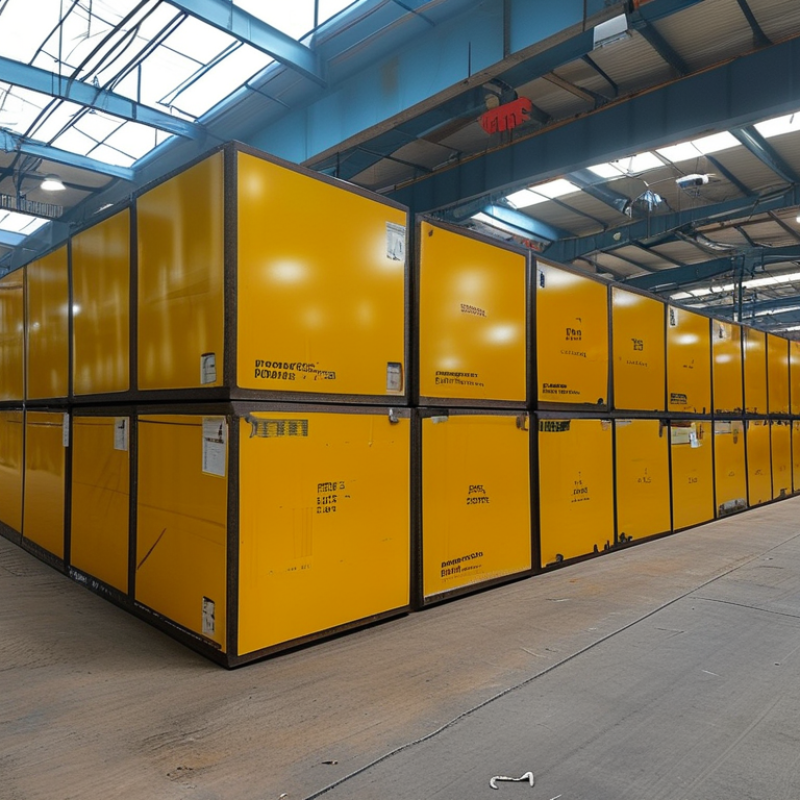
Overview of Coated Steel Sheets and Their Applications
Coated steel sheets have become essential in various industries. They are made by applying a protective layer to steel, enhancing durability and aesthetics. Industries such as construction, automotive, and appliance manufacturing extensively use these materials.
According to a recent report by Industry Insights, the global coated steel sheet market is projected to grow by 4.5% annually. This growth stems from rising demand for lightweight and recyclable materials. The coatings enhance resistance to corrosion and wear. For example, galvanized steel is often used in roofing applications due to its long lifespan.
Tips: Always verify that your coated steel sheets meet specific industry standards. Look for corrosion resistance ratings to ensure product longevity.
In applications where aesthetics matter, such as appliances, color-coated steel sheets play a critical role. These sheets are available in various colors and finishes, catering to diverse design preferences. However, it's important to consider potential fading or scratching over time. Regular maintenance can mitigate these issues and preserve the material’s appearance.
Top Coated Steel Sheet Suppliers for Global Buyers Today
| Category | Thickness (mm) | Width (mm) | Length (mm) | Coating Type | Application |
| Galvanized Steel | 0.3 | 1000 | 2000 | Zinc Coated | Construction, Automotive |
| Pre-painted Steel | 0.5 | 1200 | 2500 | Polyester Coated | Roofing, Wall Panels |
| Electrogalvanized Steel | 0.4 | 800 | 3000 | Zinc Coated | Appliance, HVAC |
| Hot-dip Galvanized Steel | 0.6 | 1500 | 4000 | Heavy Zinc Coating | Structural, Heavy Equipment |
| Aluzinc Steel | 0.35 | 1100 | 2200 | Aluminum-Silicon Coating | Automotive, Agriculture |
Key Factors to Consider When Choosing a Supplier
When selecting a top coated steel sheet supplier, it is essential to consider several factors. One crucial aspect is the supplier's experience in the industry. An experienced supplier is likely to understand market demands and quality standards better. This expertise can significantly affect your product's performance.
Moreover, evaluating the supplier’s certifications and quality control processes is vital. Ensure they adhere to international standards. Thorough inspection practices can prevent defects. Additionally, consider the range of coatings offered. A diverse selection can meet specific project needs more precisely.
Finally, don't overlook customer service and communication. A reliable supplier should be responsive and transparent. Clear communication can ease potential issues during order placement or delivery. Reflecting on these points can guide you in making an informed choice. Always prioritize suppliers with proven track records while being open to learning from any past challenges faced during procurement.
Top Coated Steel Sheet Suppliers for Global Buyers Today
This chart represents the market share of various top coated steel sheet suppliers. The data is based on global buying patterns and illustrates which suppliers dominate the market today.
Top Global Suppliers of Coated Steel Sheets
The demand for coated steel sheets is rising globally. According to recent statistics, the coated steel market is projected to reach approximately $150 billion by 2028. This growth is driven by industries such as automotive, construction, and packaging. Coated steel sheets offer superior corrosion resistance and aesthetic appeal, making them a top choice among manufacturers.
When selecting a supplier, consider their production capabilities and technological advancements. Many top suppliers invest heavily in R&D to improve product performance. Data from industry reports indicate that companies with advanced coating technologies can achieve better durability rates.
Tip: Always evaluate the supplier's certifications. Valid certifications can indicate quality standards. Engaging with suppliers that have a proven track record can mitigate risks in your supply chain.
Additionally, staying informed about market trends can be beneficial. Keep an eye on emerging markets and innovations in coating methods. Adaptability and foresight are crucial in maintaining a competitive edge.
Tip: Regularly review your supplier relationships. This can help you discover new opportunities and challenges in your sourcing strategy. There's always room for improvement in navigating the coated steel supply landscape.
Comparative Analysis of Pricing and Quality Among Suppliers
When selecting coated steel sheet suppliers, pricing and quality are critical factors. Prices can vary significantly based on location, production processes, and material specifications. It's essential to understand what you are paying for. Higher price tags often indicate better quality, but not always.
Quality assessment should consider thickness, corrosion resistance, and surface finish. A glossy finish might appeal visually, but is it durable? Lower-priced sheets can sometimes lead to higher long-term costs due to quicker wear and tear. Buyers should request samples and perform inspections to gauge these attributes before making a decision.
Tips: Always compare multiple suppliers. Evaluate each one’s reputation based on customer feedback. Quality certifications are another reliable indicator of a supplier's commitment to standards. Reliable suppliers should provide transparent pricing structures. Be wary of hidden fees that can inflate your total cost. Conducting thorough research will help secure the best deal. Don't overlook the importance of after-sales support, as it can reflect the supplier's reliability.
Emerging Trends in the Coated Steel Sheet Market
The coated steel sheet market is witnessing significant shifts. Recent data indicates a growing demand due to urbanization and infrastructure development. According to a report by Research and Markets, the global coated steel sheet market is expected to reach USD 170 billion by 2027, growing at a CAGR of 5.2%. This growth presents challenges for suppliers striving to meet quality and sustainability standards.
Emerging trends highlight the increasing focus on eco-friendly coatings and lightweight materials. A survey by Smithers Pira found that over 35% of manufacturers are investing in sustainable practices to reduce environmental impact. However, there is still a gap in the adoption of these technologies across various regions. Some manufacturers struggle to balance cost and innovation, often leading to inconsistencies in product quality.
Digitalization in production processes is slowly taking center stage. Automation and advanced analytics are being integrated into operations. This allows for better quality control and efficiency. Yet, the transition isn't seamless for all. Companies face hurdles related to workforce training and changing traditional practices. Although progress is being made, the path to fully optimized production remains complex.