Top Chiller Series in China You Should Know About?
The Chiller Series market in China is rapidly evolving. According to recent industry reports, the demand for efficient cooling solutions has surged. In 2022, the Chinese chiller market was valued at over $3 billion, with an expected growth rate of 6.5% annually until 2028. This illustrates the increasing importance of chiller series in various sectors.
Leading brands are focusing on innovation and energy efficiency. For instance, many new models now feature advanced cooling technologies, which reduce energy consumption by up to 30%. However, challenges remain. Some customers struggle to choose between various models. Misunderstanding technical specifications can lead to suboptimal choices and increased operational costs.
Understanding the top chiller series in China is crucial for businesses. It allows for better decision-making and improved cooling performance. Identifying market leaders in this space can yield significant benefits. Yet, there’s often a gap between expectations and reality when it comes to installation and maintenance. A thoughtful approach is essential for leveraging the full potential of these systems.
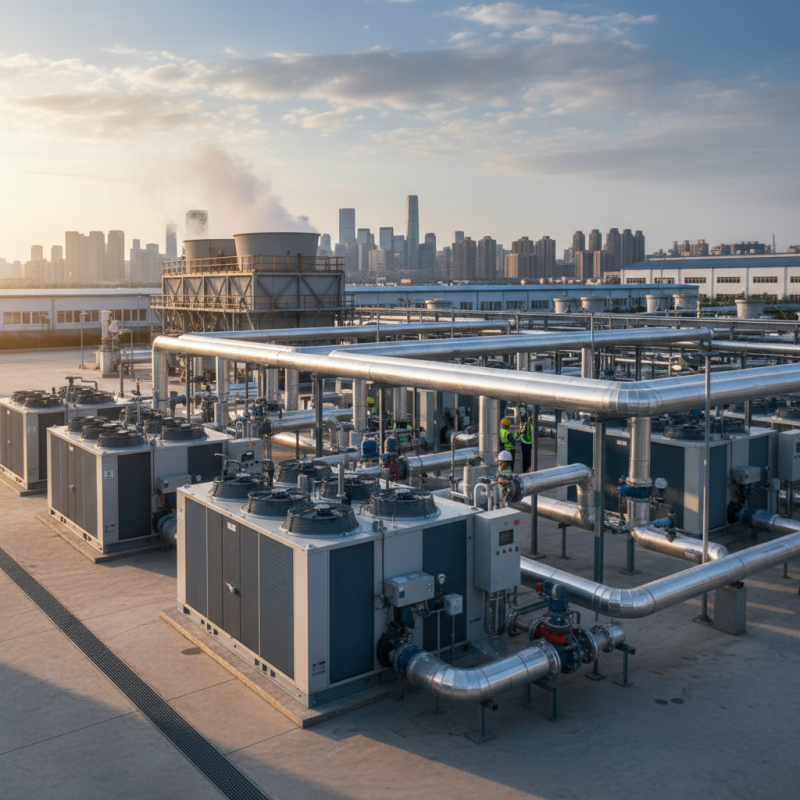
Overview of Chiller Types in the Chinese Market
In the vibrant Chinese market, chillers play a crucial role in various industries. These cooling systems are vital for manufacturing, food processing, and data centers. There are different types of chillers commonly used today. Air-cooled chillers are popular due to their ease of installation and maintenance. They use air to dissipate heat, making them cost-effective and efficient.
Water-cooled chillers are typically found in larger facilities. They use water to remove heat, making them more efficient for high-capacity cooling needs. This type can be more complex to install, but it offers significant energy savings. Each type has unique strengths and weaknesses.
**Tips:** Consider the space you have available. Air-cooled chillers require sufficient airflow. Water-cooled chillers need water source access. Factor in energy efficiency too. Sometimes, the cheapest option is not the best long-term choice. Look for ways to optimize your chiller's performance. Regular maintenance can prevent costly repairs.
Market Share of Chiller Types in China (2023)
Market Share Analysis of Top Chiller Brands in China
The chiller market in China is growing rapidly. A recent report indicates that the market is expected to reach $6 billion by 2026. This growth is driven by increasing demand in industries like pharmaceuticals, food processing, and HVAC systems. Many companies dominate this market, holding significant market shares.
The market share landscape reveals that a few brands control about 60% of total chiller sales. This concentration can affect pricing and innovation. Smaller manufacturers struggle to compete. They often lack the resources or technology to keep pace. It raises questions about how innovation will occur in the industry.
Key regions, such as Guangdong and Jiangsu, lead in chiller installations. The economic activity in these areas boosts demand. However, there are concerns over environmental regulations. Many companies face challenges in meeting these compliance standards. Their efforts can lead to higher production costs. Balancing profitability and sustainability remains a critical issue for the industry.
Technological Advancements in China's Chiller Industry
The chiller industry in China is experiencing rapid technological advancements. In recent years, the market has grown significantly. Reports suggest a compound annual growth rate (CAGR) of around 6% from 2021 to 2026. This growth is driven by increasing energy efficiency demands and environmental regulations.
Innovation plays a key role in this sector. Emerging technologies such as variable speed drives and intelligent control systems are transforming chiller performance. These advancements result in lower energy consumption and enhanced operational efficiency. However, the transition can be challenging. Not all companies are equipped to adapt to these new technologies.
Moreover, the integration of IoT and AI in chillers is a game changer. These technologies allow for real-time monitoring and predictive maintenance. However, many manufacturers struggle with proper implementation. The gap in technology adoption could widen over time. This highlights the need for continuous training and support in the industry.
Energy Efficiency Standards and Regulations for Chillers in China
In recent years, China has increased its focus on energy efficiency in chiller systems. The government has implemented strict energy efficiency standards to reduce energy consumption. According to the China Refrigeration and Air Conditioning Industry Association, chillers account for about 30% of the total energy used in heating, ventilation, and air conditioning (HVAC) systems. This emphasizes the importance of improving energy efficiency in this sector.
The country's energy efficiency standards are evolving. New regulations require chillers to meet specific performance benchmarks. For example, the latest standard mandates that chillers must have a minimum Energy Efficiency Ratio (EER) of 3.0. This benchmark aims to promote the use of advanced technologies. However, some manufacturers struggle to comply with these strict standards. Many still produce outdated models that do not meet efficiency requirements.
The push for energy efficiency is crucial. It is estimated that adhering to these standards can save nearly 20 billion kWh per year. However, achieving these savings requires a commitment from both manufacturers and end-users. Some companies may not fully understand the implications of these standards. This leads to confusion and potential non-compliance. The path to energy-efficient chillers is not without challenges.
Future Trends and Forecasts for Chiller Demand in China
The demand for chillers in China is set to grow significantly in the coming years. Factors like urbanization and industrial expansion drive this trend. Many sectors require robust cooling solutions, particularly manufacturing and food processing. As companies prioritize energy efficiency, innovations in chiller technology are also emerging.
Environmental concerns play a crucial role in shaping future trends. Regulations on emissions push manufacturers to develop greener models. However, the challenge lies in balancing efficiency and cost. Some companies still hesitate to invest in new technologies, fearing financial risks. Yet, this hesitation could lead to missed opportunities for long-term savings.
Forecasts suggest a rising need for advanced chillers, especially in urban areas. The real estate sector, along with data centers, is climbing the priority list. As urbanization intensifies, the demand for reliable cooling will only increase. Businesses must address these needs while remaining adaptable to market changes. The path forward may be uncertain, requiring constant reflection and adjustment.