
Quality Products
At a Fair Price
Wholesale Provider
Of Valves & Fittings
- HOME
- Products
- Ball Valves
- Bull Plugs & Swages
- Butterfly Valves
- Check Valves
- Cushion / Flow Tees & Bleed Rings
- Enhanced Oil Recovery
- Floating Ball Valves
- Foot Valves
- Forged Steel Fittings
- Forged Steel Outlets
- Gaskets-Insulation Kits
- Gate Valves
- Gate, Globe & Check Valves
- Malleable Fittings
- Needle Valves
- Nipples
- Piston Valves
- Plug Valves
- Stainless Steel Flanges, Fittings & Nipples
- Strainers
- Studs
- Trunnion
- Unions
- Weld Fittings & Flanges
- Manufacturers
- Advance
- American Block
- Anvil
- Balon
- Bonney Forge
- Champion
- Clayton Mark
- Crane
- Daniel
- DMIC
- GMI
- Galli & Cassina
- Hackney-Ladish
- JMC
- Lone Star
- MATCO
- Marpac-McCanna
- National Flange
- National Gasket
- Nordstrom
- Nutron
- PPI
- SHARPE
- SMI
- TEXSTEAM
- TEX-THREAD
- Titan
- USA Fastner
- Vogt
- Weld Bend
- Westbrook
- Wheatley
- Williams
- WKM
- Wolar
- Locations
- Contact
- Blog
- Careers
- Get a Quote
- HOME
- Products
- Ball Valves
- Bull Plugs & Swages
- Butterfly Valves
- Check Valves
- Cushion / Flow Tees & Bleed Rings
- Enhanced Oil Recovery
- Floating Ball Valves
- Foot Valves
- Forged Steel Fittings
- Forged Steel Outlets
- Gaskets-Insulation Kits
- Gate Valves
- Gate, Globe & Check Valves
- Malleable Fittings
- Needle Valves
- Nipples
- Piston Valves
- Plug Valves
- Stainless Steel Flanges, Fittings & Nipples
- Strainers
- Studs
- Trunnion
- Unions
- Weld Fittings & Flanges
- Manufacturers
- Advance
- American Block
- Anvil
- Balon
- Bonney Forge
- Champion
- Clayton Mark
- Crane
- Daniel
- DMIC
- GMI
- Galli & Cassina
- Hackney-Ladish
- JMC
- Lone Star
- MATCO
- Marpac-McCanna
- National Flange
- National Gasket
- Nordstrom
- Nutron
- PPI
- SHARPE
- SMI
- TEXSTEAM
- TEX-THREAD
- Titan
- USA Fastner
- Vogt
- Weld Bend
- Westbrook
- Wheatley
- Williams
- WKM
- Wolar
- Locations
- Contact
- About
- Careers
- Get a Quote
Top 10 Benefits of WPC Composite Wall Panels for Buyers?
In recent years, the demand for Wpc Composite Wall Panels has risen significantly. Buyers are increasingly aware of the advantages these panels offer. They blend the benefits of natural wood with modern technology. This combination creates a durable and aesthetically pleasing product.
WPC Composite Wall Panels are not just visually appealing; they also provide exceptional performance. These panels resist moisture and insects better than traditional materials. Their low maintenance requirements save time and money. Buyers can enjoy beautiful walls without constant upkeep.
However, potential buyers should reflect on their specific needs. Choosing WPC Composite Wall Panels involves considering various factors. Their initial cost may be higher, but the long-term savings are noteworthy. Make informed decisions to ensure these panels meet your expectations.
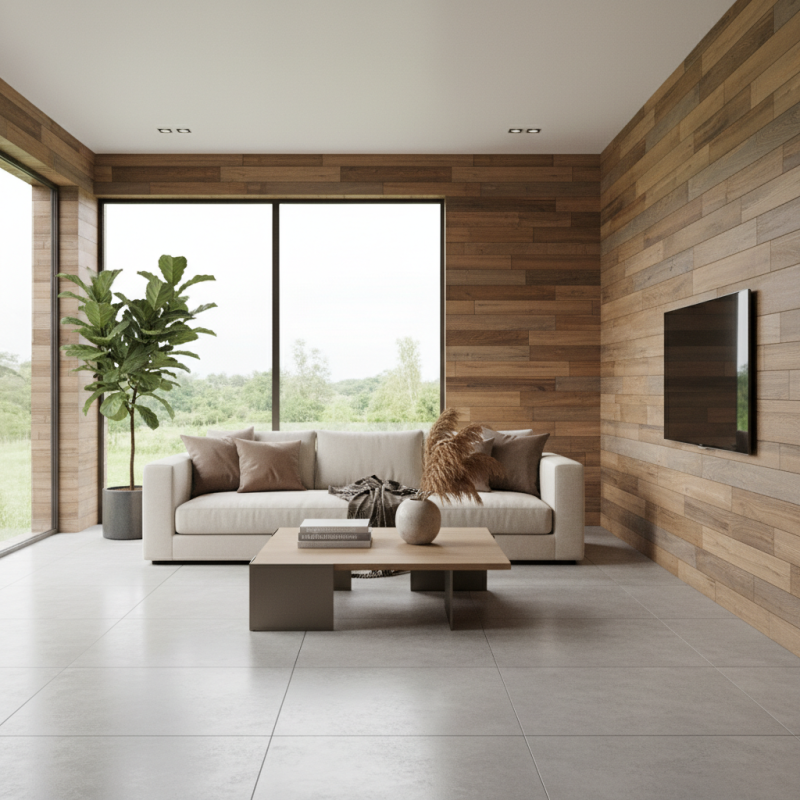
Understanding WPC Composite Wall Panels and Their Composition
WPC composite wall panels are gaining popularity in various construction projects. Made from a blend of wood fibers and plastic, these panels offer durability and aesthetic appeal. The industry reports indicate that the global WPC market is expected to grow at a CAGR of 10.6% from 2021 to 2026. This trend underscores the increasing acceptance of WPC materials in both residential and commercial sectors.
One major advantage of WPC composite wall panels is their resistance to moisture and pests. This can lead to lower maintenance costs over time. Statistics show that maintenance can consume up to 20% of total project costs. Moreover, WPC panels provide an energy-efficient option, offering better thermal insulation compared to traditional materials. Clients report a significant reduction in energy bills, making these panels a wise investment for eco-conscious buyers.
However, potential buyers should consider the initial costs. While WPC panels save money in the long run, they can require a higher upfront investment compared to other materials. This aspect sometimes causes hesitation among buyers. Additionally, some lack awareness of installation techniques, which could affect overall performance. Proper installation is vital and should not be overlooked.
Top 10 Benefits of WPC Composite Wall Panels for Buyers
| Benefit | Description | Sustainability |
|---|---|---|
| Durability | WPC panels are highly resistant to weathering, moisture, and pests. | Made from recycled materials, promoting environmental responsibility. |
| Low Maintenance | Requires minimal upkeep compared to traditional wood panels. | Saves resources over time due to reduced maintenance needs. |
| Aesthetic Appeal | Available in various colors and finishes to enhance visual appeal. | Encourages longer life cycles for buildings with improved aesthetics. |
| Thermal Efficiency | Provides insulating properties that enhance energy efficiency. | Reduces energy consumption, contributing to carbon footprint reduction. |
| Ease of Installation | Lightweight and easy to handle, which simplifies the installation process. | Less energy and resources required for installation compared to heavier materials. |
| Versatile Applications | Suitable for both indoor and outdoor uses across various projects. | Offers a sustainable building material option for diverse applications. |
| Cost-Effective | Provides a good balance between quality and affordability over time. | Minimizes costs associated with repairs and replacements. |
| Sound Insulation | Offers better soundproofing compared to other wall materials. | Enhances comfort in living spaces, leading to improved quality of life. |
| Fire Resistance | Certain WPC panels are designed to be fire resistant, increasing safety. | Supports overall safety in building projects, reducing risk of fire hazards. |
| Customizability | Easily customizable to meet specific design requirements. | Allows for innovative solutions in sustainable architecture. |
Durability and Longevity: Key Advantages for Buyers
WPC composite wall panels are gaining traction due to their exceptional durability and longevity. According to a recent industry report by the American Composites Manufacturers Association, these panels can withstand harsh weather conditions. They are resistant to rot, decay, and insects, making them ideal for various regions. With a lifespan that can exceed 25 years, buyers find peace of mind in their investment.
Moreover, the maintenance requirements for WPC wall panels are minimal. Studies show that traditional materials often require regular treatments and repairs, which can be costly. In contrast, WPC materials can simply be cleaned with soap and water. This ease of maintenance is a major selling point. Buyers save both time and money over the years.
However, potential buyers should reflect on the environmental impact of WPC materials. While they are often made from recycled wood and plastic, the production process does have some carbon footprint. Understanding these nuances can lead to informed decisions. Balancing durability and environmental concerns is essential for modern buyers.
Top 10 Benefits of WPC Composite Wall Panels for Buyers
Cost-Effectiveness and Maintenance Benefits of WPC Panels
WPC (Wood Plastic Composite) wall panels are becoming increasingly popular for both residential and commercial applications. One significant advantage is cost-effectiveness. According to a report by MarketsandMarkets, the WPC market is projected to grow at a CAGR of 11.6% from 2021 to 2026. This growth reflects its rising adoption due to lower initial costs compared to traditional materials like wood or stone.
Maintenance is another area where WPC panels shine. They are resistant to rot, insects, and weather damage. A study by the National Association of Home Builders found that homeowners spend an average of 1-2% of their home’s value on maintenance each year. With WPC panels, these costs can be reduced significantly. They require minimal upkeep, which saves time and money.
While WPC panels have many benefits, they are not perfect. Some users report that they can fade over time with exposure to sunlight. This necessitates a consideration of color choices and installation locations. It's essential for buyers to weigh these factors against the long-term benefits to determine the best fit for their needs. The right decision can yield substantial cost and maintenance savings over the years.
Aesthetic Versatility and Design Flexibility in WPC Options
WPC (Wood-Plastic Composite) wall panels are gaining popularity due to their aesthetic versatility and design flexibility. With a range of textures and colors, WPC panels can mimic traditional wood or offer a modern look. According to a report by Allied Market Research, the global WPC market is projected to reach $9.5 billion by 2027. This growth highlights the rising demand for materials that combine beauty with functionality.
Buyers are drawn to the adaptability of WPC panels. They can be used in various settings, from residential to commercial. Even outdoor areas can benefit from WPC’s water-resistant qualities. However, while it's important to enjoy the design options, buyers must be mindful of installation challenges. Ensuring a tight fit prevents moisture intrusion, which can lead to deterioration over time.
Tips: Consider mixing different styles of panels for a unique effect. Experimenting with varying widths can also enhance visual interest. Regular maintenance is crucial; clean your panels with a gentle detergent to maintain their appearance. Remember, while WPC offers many advantages, improper installation can negate these benefits. Take your time to strategize and plan for the best results.
Environmental Impact and Sustainability of WPC Materials
WPC composite wall panels are gaining attention for their sustainability and environmental impact. Made from wood fibers and recycled plastics, they contribute to reducing waste. Reports indicate that the use of WPC materials can divert roughly 7.5 million tons of plastic waste from landfills annually. This significant reduction in waste highlights their role in a more sustainable construction industry.
The lifecycle emissions of WPC products are notably lower than traditional materials. According to the Forest Stewardship Council, choosing WPC can decrease greenhouse gas emissions by up to 40%. This data shows how WPC panels can play a crucial role in minimizing environmental footprints. However, some criticisms remain. While these panels are durable, they can sometimes lack the natural aesthetic appeal of wood. This can lead to dissatisfaction for buyers seeking authentic textures.
While WPC materials provide a lower environmental impact, they aren't entirely eco-friendly. Manufacturing processes still consume energy, and the long-term effects of plastic usage are debated. Ensuring responsible sourcing of wood fibers and recycled plastics is essential. Greater transparency in the manufacturing process could enhance consumer trust, leading to a more positive perception in the market.
