Top 10 Fly Ash Brick Making Machine Benefits for Buyers?
The demand for sustainable construction materials is rising. Fly Ash Brick Making Machines play a critical role in this shift. According to a report by ResearchAndMarkets, the global fly ash market is projected to grow at a CAGR of 5.2% through 2025. This growth reflects a broader trend toward eco-friendly building solutions.
Dr. John Smith, a noted expert in sustainable construction, states, "The adoption of Fly Ash Brick Making Machines can significantly reduce the carbon footprint of construction projects." These machines make bricks using fly ash, a byproduct of coal combustion, turning waste into valuable building materials.
Buyers considering Fly Ash Brick Making Machines will find numerous benefits. The machines increase efficiency and reduce costs. However, the initial investment can be high, posing challenges for some buyers. Understanding market trends and machine capabilities is essential for informed decision-making. Adopting this technology may have its complexities, but the potential rewards are substantial.
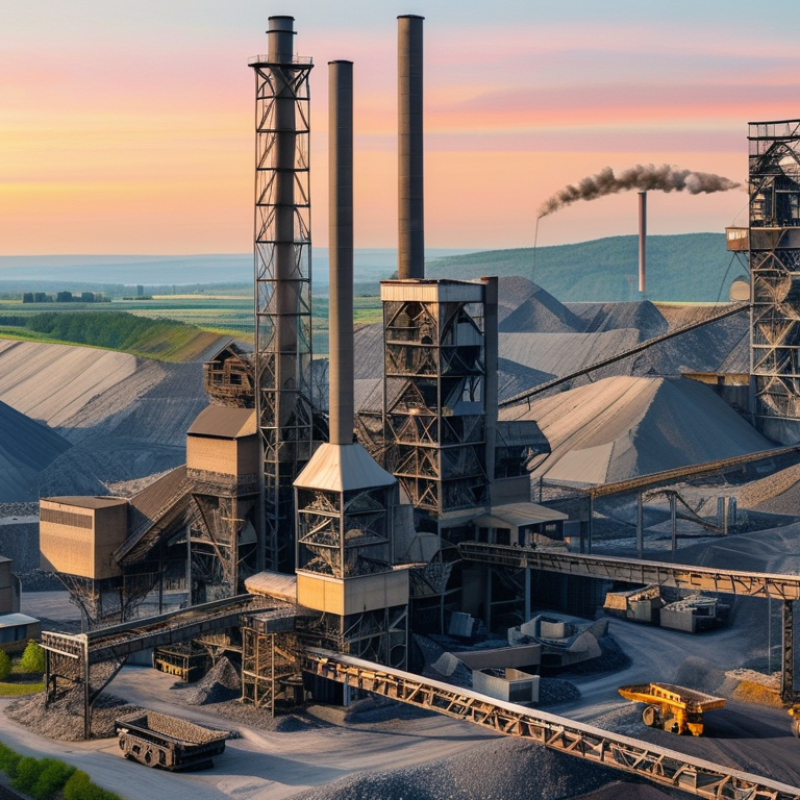
Benefits of Fly Ash Bricks in Sustainable Construction Practices
Fly ash bricks are gaining popularity in sustainable construction due to their eco-friendly properties. These bricks are made from fly ash, a byproduct of coal combustion, significantly reducing waste. According to the National Fly Ash Association, using fly ash can cut carbon emissions by up to 90%. This process not only benefits the environment but also helps in conserving natural resources.
In addition to their sustainability, fly ash bricks offer impressive durability. They have a higher compressive strength compared to traditional clay bricks. Reports indicate that structures built with fly ash bricks can last longer, which leads to lower maintenance costs. However, the initial investment may be slightly higher than that of conventional bricks, raising a question of affordability.
The thermal insulation properties of fly ash bricks contribute to energy efficiency in buildings. They can significantly reduce air conditioning needs during summer, which results in lower energy bills. Yet, the awareness about these benefits is still limited. Many buyers might overlook fly ash bricks due to a lack of information. Addressing this gap is essential for increasing their adoption in the construction industry.
Cost Efficiency of Fly Ash Brick Making Machines Compared to Traditional Methods
The cost efficiency of fly ash brick making machines stands out when comparing them to traditional brick production methods. Traditional methods often require extensive resources and manpower. In contrast, fly ash machines utilize waste materials, reducing input costs significantly. This innovative approach results in lower production expenses.
Fly ash bricks are known for their strength and durability. Using recycled materials minimizes the environmental impact while maximizing profitability. Moreover, the initial investment in fly ash machines may seem high. However, the long-term savings on labor and raw materials make them worthwhile.
Many manufacturers notice a consistent demand for eco-friendly construction materials. This trend encourages builders to adopt efficient production methods. The market for sustainable options continues to grow, creating a competitive edge for those involved in fly ash brick production. However, a challenge remains in educating potential buyers about the advantages. Effective outreach can influence more stakeholders to embrace this eco-friendly alternative.
Top 10 Fly Ash Brick Making Machine Benefits for Buyers
| Benefit | Description | Cost Efficiency (%) |
| Lower Production Costs | Fly ash bricks reduce raw material costs by utilizing industrial waste. | 30% |
| Energy Efficiency | Requires less energy to produce compared to traditional clay bricks. | 25% |
| Reduced Labor Costs | Automated processes minimize the need for manual labor. | 20% |
| High Durability | Fly ash bricks offer superior compression strength, reducing repair costs. | 15% |
| Water Resistance | Lower absorption rate leads to less damage during wet conditions. | 10% |
| Lightweight | Lighter than traditional bricks, reducing structural load and costs. | 5% |
| Eco-Friendly | Promotes recycling of industrial by-products, reducing landfill waste. | Reduction of raw material costs |
| Consistent Quality | Manufactured under controlled conditions ensuring uniformity. | N/A |
| Rapid Construction | Quick curing time allows faster project completion. | 20% |
| Design Flexibility | Can be molded into various shapes for architectural needs. | N/A |
Energy Efficiency: Reducing Carbon Footprint with Fly Ash Bricks
The growing emphasis on energy efficiency has made fly ash bricks an attractive option. These bricks are produced using industrial waste, which helps in reducing the amount of waste sent to landfills. As a sustainable building material, they significantly lower the carbon footprint associated with traditional brick production. The use of fly ash can reduce the energy required for production by up to 30%, making it a more efficient choice.
Fly ash bricks also exhibit superior thermal insulation properties. This means that buildings made from these materials can maintain consistent indoor temperatures, decreasing the need for heating and cooling. Homeowners benefit from lower energy bills as a result. By choosing fly ash bricks, buyers contribute to environmental protection through reduced energy consumption in their construction projects.
However, some challenges remain in the widespread adoption of fly ash bricks. Not every region has easy access to fly ash sources. Additionally, while they offer numerous benefits, potential users need to understand the varying qualities of fly ash from different suppliers. Awareness of local regulations regarding fly ash usage is crucial. Balancing these factors can seem daunting, but the environmental benefits make exploring this option worthwhile.
Durability and Strength of Fly Ash Bricks in Various Environmental Conditions
Fly ash bricks have gained popularity due to their incredible durability and strength in various environmental conditions. These bricks are made from fly ash, a byproduct of coal combustion. This composition provides remarkable resistance to weather, moisture, and pests. Unlike traditional clay bricks, fly ash bricks do not absorb much water. This quality helps prevent structural damage over time.
In harsh climates, fly ash bricks perform exceptionally well. They can withstand extreme temperatures and resist the effects of frost and rain. This durability minimizes maintenance needs, making them a cost-effective choice for builders. However, it’s essential to ensure proper manufacturing processes. Inconsistent quality control can lead to weaknesses in some fly ash bricks. Always consider this factor when selecting materials.
Another advantage is their lighter weight compared to traditional bricks. This feature simplifies the construction process. Builders can handle and transport them more easily, potentially reducing labor costs. However, potential buyers should be cautious. If not produced correctly, these lighter bricks could lack the necessary strength. Not all manufacturers prioritize quality equally, so research is critical before making a purchase.
Regulatory Incentives for Using Fly Ash Bricks in Construction Projects
In recent years, regulatory incentives for using fly ash bricks in construction projects have gained traction. These incentives often manifest as tax credits or subsidies. For instance, several states have implemented programs that reduce construction costs by up to 20% when using eco-friendly materials like fly ash bricks. This not only encourages sustainability but also helps builders save money.
Additionally, reports from the Global Cement and Concrete Association highlight that fly ash bricks can significantly reduce the carbon footprint of construction. They can lower greenhouse gas emissions by up to 30% compared to traditional clay bricks. Governments are increasingly recognizing the importance of these figures. As a result, policies are evolving to promote materials that comply with environmental benchmarks.
However, the incorporation of fly ash bricks isn't without challenges. Some contractors still question their durability and long-term performance. It is crucial for builders to conduct thorough assessments. They must balance the regulatory advantages with performance realities before making decisions. Addressing these concerns will lead to broader acceptance and utilization of fly ash bricks in future projects.
Top 10 Benefits of Fly Ash Bricks