Top 10 Ball Valves for Optimal Performance and Reliability in Your Projects
In the world of industrial applications, the choice of components significantly influences the overall performance and reliability of projects. Among these components, ball valves stand out due to their efficiency and versatility in controlling fluid flow. According to industry expert Dr. Emily Carter, “The right ball valves can enhance not only the operational efficiency but also ensure long-term reliability in any fluid system.” Her insights highlight the critical role ball valves play in various applications, from HVAC systems to water treatment facilities.
Selecting the best ball valves is essential for engineers and project managers who aim for optimal functionality in their processes. With a myriad of options available, it can be challenging to determine which valves provide the best performance under specific conditions. This article delves into the top 10 ball valves that exemplify superior engineering and durability, guiding professionals to make informed decisions that align with their project requirements.
By understanding the unique features and benefits of different ball valves, stakeholders can avoid costly operational disruptions and enhance the overall efficiency of their systems. Join us as we explore the top contenders in the market, ensuring you have the knowledge needed to select the perfect ball valves for your next project.
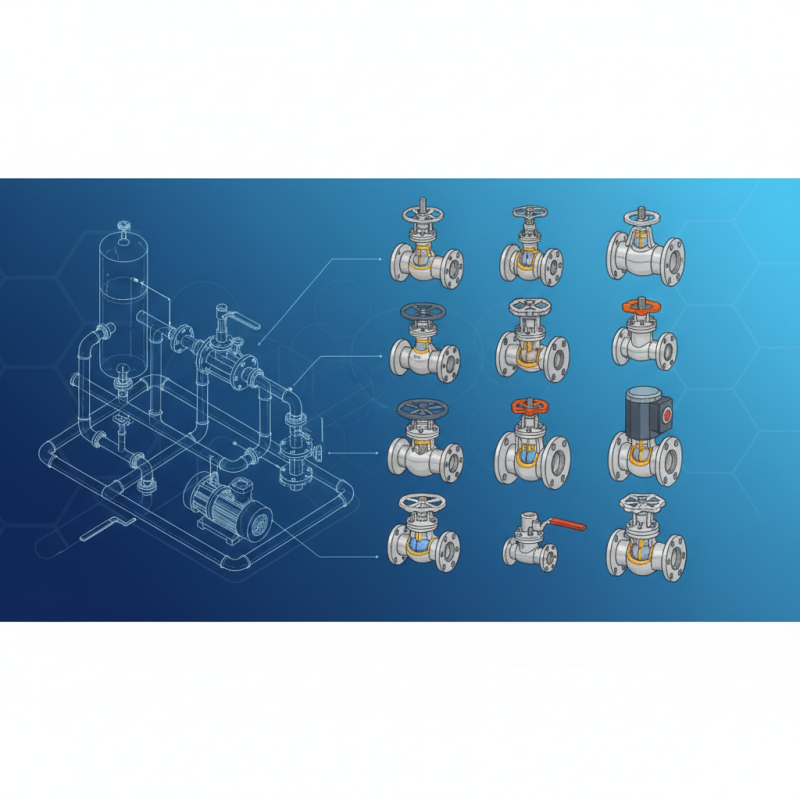
Top Factors to Consider When Choosing Ball Valves for Projects
When selecting ball valves for your projects, several critical factors come into play to ensure optimal performance and reliability.
One key consideration is the material of the valve, which affects not only durability but also compatibility with the fluid being handled.
According to a recent report by the Flow Control Industry, around 60% of valve failures are attributed to material degradation owing to corrosion or chemical reactions.
Therefore, choosing the right material—such as stainless steel or PVC—based on the operating environment is essential for extending service life and reducing maintenance costs.
Another vital aspect is the valve size and pressure rating. According to the Valve Manufacturers Association, improper sizing can lead to flow issues and significant energy loss, impacting overall system efficiency.
It's essential to account for the maximum flow rate and pressure requirements of your application, as well as any industry standards that might apply.
Ensuring that the ball valves are adequately rated for your operational parameters not only enhances reliability but also minimizes the risk of unexpected failures, which can lead to costly downtimes.
By prioritizing these factors in your selection process, you can significantly enhance the functionality and longevity of your fluid control systems.
Types of Ball Valves and Their Applications in Various Industries
Ball valves are widely used in various industries due to their reliability and efficient flow control. They come in different types, each designed to cater to specific applications. One common type is the **full-port ball valve**, which has a larger diameter than the pipeline, allowing for maximum flow with minimal pressure drop. These valves are ideal for applications in oil and gas, chemical processing, and water treatment, where fluid movement is crucial.
Another type is the **floating ball valve**, which uses a ball that floats and seals against the valve seat when pressure is applied. This design is effective for controlling low to medium-pressure fluids, making it suitable for HVAC systems and irrigation. Additionally, the **trunnion ball valve** is designed for high-pressure applications, featuring a fixed ball that allows for easier operation and reduced friction, commonly found in power generation and heavy industrial processes. Each type of ball valve serves a unique function, making them essential components for ensuring optimal performance and reliability in a wide range of projects.
Key Performance Metrics for Evaluating Ball Valves
When selecting ball valves for optimal performance and reliability in industrial applications, understanding key performance metrics is essential. Among the most crucial metrics are pressure rating, flow coefficient (Cv), and leakage rates. A reliable ball valve should have a pressure rating that meets or exceeds the operating conditions to ensure safety and efficiency. According to industry standards, a typical pressure rating for these valves can range from 150 psi to 3,000 psi, depending on the material and size. This wide range makes it vital for engineers to assess the specific requirements of their projects to select the appropriate valve.
The flow coefficient (Cv) is another important metric that quantifies the valve's capacity to allow fluid flow. A higher Cv indicates a higher flow capacity, making a valve more efficient. Data from recent studies suggest that ball valves generally provide a Cv ranging from 20 to over 300, depending on the valve size and design, which contributes significantly to system performance. Lastly, leakage rates are critical in determining the long-term reliability of a ball valve. Industry reports indicate that high-quality ball valves can maintain leakage rates as low as 0.01% of the flow rate, ensuring minimal wastage and environmental compliance. Evaluating these performance metrics allows professionals to make informed decisions, ensuring optimal operation in their projects.
Maintenance Tips for Ensuring Longevity of Ball Valves
To ensure the longevity and optimal performance of ball valves in various applications, regular maintenance practices are essential. One of the most critical maintenance tips is to routinely inspect the valves for any signs of wear or damage. Checking the seating surfaces, stem, and seals for leaks or corrosion can significantly prevent operational failures. Additionally, it's crucial to clean the exterior and interior components to eliminate debris that could hinder functionality.
Another important aspect of maintenance is lubrication. Proper lubrication of the valve stem and seats minimizes friction and helps maintain a tight seal during operation. Using the appropriate lubricant can enhance the valve's performance and extend its life. Moreover, operators should familiarize themselves with the specific operating environment of the valve, as extreme temperatures or pressures can affect performance and lifespan. By adhering to these maintenance guidelines, users can ensure their ball valves remain reliable and efficient over time.
Leading Brands and Models of Ball Valves for Optimal Reliability
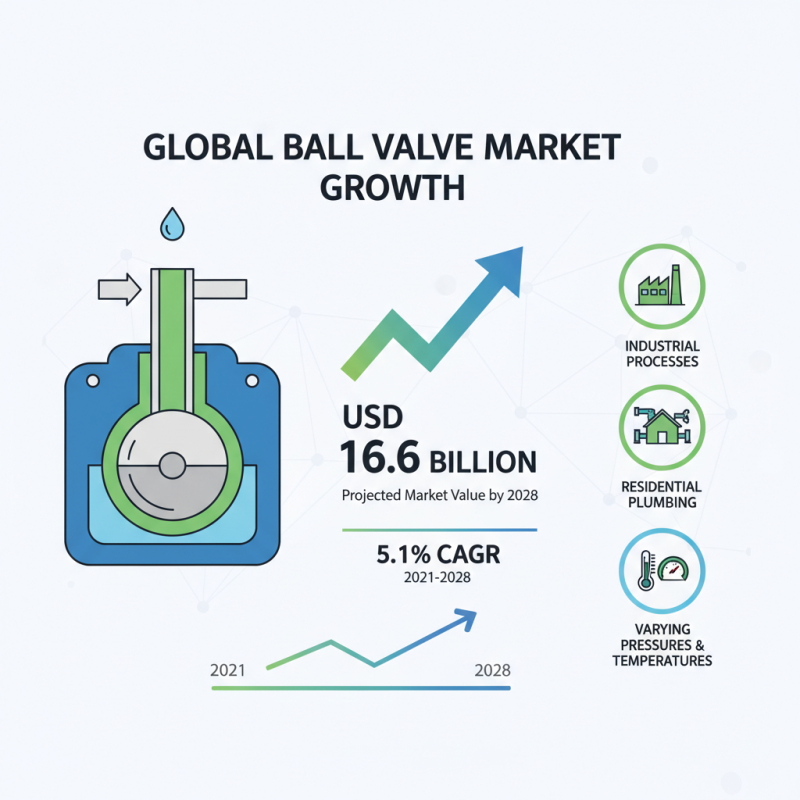
When it comes to fluid control systems, ball valves are essential components that provide reliable performance across various applications, from industrial processes to residential plumbing. According to recent industry reports, the global ball valve market is projected to reach USD 16.6 billion by 2028, with a compound annual growth rate (CAGR) of 5.1% from 2021 to 2028. This uptick illustrates the increasing demand for high-performance valves that ensure seamless operation under varying pressures and temperatures.
Leading brands in the market are focusing on innovation and the integration of advanced materials to enhance the reliability and longevity of their ball valves. A comprehensive study highlights that around 61% of users report improved operational efficiency when utilizing high-quality ball valves, particularly in applications involving corrosive substances or high-pressure environments. Moreover, the emphasis on accurate installation and regular maintenance further contributes to the reliability of these valves, making it crucial for project managers to choose models that align with their specific operational needs to avoid unnecessary downtimes. The ongoing advancements in design and manufacturing techniques are solidifying ball valves' role as a cornerstone of effective fluid control solutions, ultimately driving performance in engineering projects.