Top 10 Automotive Vent Membrane Suppliers Worldwide
Automotive Vent Membrane technology has become a quiet but essential part of modern vehicle design. These microporous membranes protect lamps, batteries, sensors, motors, and electronic control units from water, dust, salt, and pressure damage. They still allow trapped air to move. That balance is difficult.
Market research from MarketsandMarkets and Grand View Research identifies automotive venting as a growing niche within vehicle electronics, thermal management, and component protection. Their reports connect demand with electric vehicles, advanced driver-assistance systems, sealed lighting assemblies, and stricter durability expectations. However, public reports rarely separate Automotive Vent Membrane revenue from the wider automotive venting market. That limitation matters. Market figures should not be treated as perfectly comparable.
As Dr. Jeff Dahn, a leading battery researcher, has said, “The devil is in the details.” His observation applies directly to vent membrane selection. A membrane with a high air-permeability rating may still fail after splash exposure, thermal cycling, or contaminated assembly. Engineers must examine pore structure, oleophobic treatment, adhesive compatibility, burst pressure, and long-term aging. A small vent can determine whether condensation appears behind a headlamp or inside a battery enclosure.
This guide reviews the Top 10 Automotive Vent Membrane Suppliers Worldwide through practical criteria, including material performance, manufacturing consistency, application experience, validation capability, and global technical support. Supplier rankings are never absolute. The best choice depends on enclosure geometry, climate, production volume, and the vehicle platform’s risk profile.
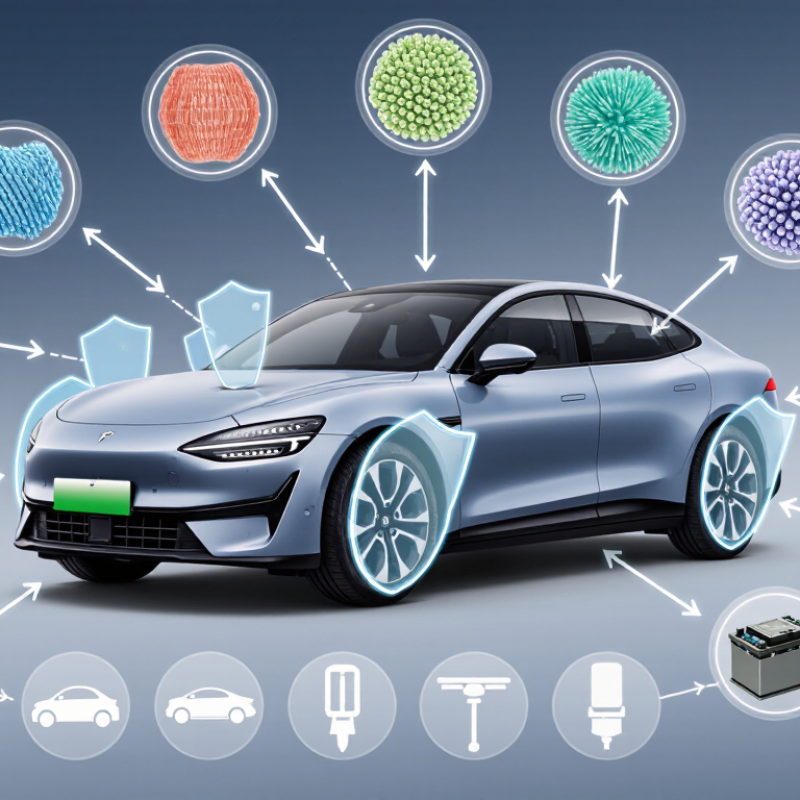
Automotive Vent Membranes: Purpose, Structure, and Key Functions
Automotive vent membranes protect sealed housings while allowing pressure to equalize. Temperature changes can expand trapped air inside lamps, sensors, batteries, and control units. Without a vent, pressure may push moisture past seals. A membrane usually uses microporous, hydrophobic material, often with oleophobic treatment. Its pores block liquid water and dust while permitting air and vapor movement. The membrane may be bonded with pressure-sensitive adhesive, heat welded, or fitted into a molded vent.
Key functions include water resistance, airflow control, contaminant protection, and pressure relief. Performance depends on pore structure, membrane area, housing design, and installation quality. A small vent can restrict airflow during rapid thermal cycling. A larger vent may improve equalization but increase exposure risks. Real projects are less tidy. A component can pass laboratory testing yet disappoint after road vibration, salt mist, oil contact, or repeated washing.
Tips: Compare airflow, water-entry pressure, dust resistance, and operating temperature together. Check test methods, not only headline ratings. Inspect the adhesive edge after thermal cycling. Confirm compatibility with plastics, coatings, and assembly lubricants. Ask suppliers for production traceability and lot-based inspection data. Field feedback matters, too. A membrane is only one part of the sealing system. Misalignment, wrinkles, or blocked vent paths can quietly reduce reliability, so installation audits deserve the same attention as material selection.
Automotive Vent Membranes: Purpose, Structure, and Key Functions
Representative maximum continuous-temperature design ranges for automotive venting applications. Actual specifications vary by vehicle location, housing material, membrane construction, and validation requirements.
Automotive vent membranes equalize pressure while helping block liquid water, dust, oil mist, and other contaminants. Common constructions use a microporous hydrophobic membrane, often supported by a protective layer and sealed to the component housing.
How Global Automotive Vent Membrane Suppliers Are Evaluated
Top 10 Automotive Vent Membrane Suppliers Worldwide
Global automotive vent membrane suppliers should be evaluated through evidence, not catalogue claims. The IEA Global EV Outlook 2024 reported nearly 14 million electric car sales in 2023. This growth increases demand for reliable pressure equalization in battery housings, lighting modules, sensors, and control units. Suppliers should therefore show stable airflow, water-entry resistance, oil resistance, and controlled pressure performance after thermal cycling.
Testing depth matters. ISO 16750 procedures can assess temperature, humidity, vibration, chemical exposure, and mechanical stress. However, laboratory results need realistic validation. A qualified supplier should provide sample data, failure analysis, process capability records, and traceability from membrane material to finished vent. Manufacturing consistency is critical. A membrane that performs well once is not enough.
Service life deserves equal attention. The ACEA report Vehicles on European Roads 2024 placed the average European passenger car age at about 12.5 years. Suppliers should demonstrate durability beyond short validation cycles, including road dust, salt mist, condensation, and repeated pressure changes. Procurement teams should also examine global production capacity, audit history, change-control discipline, and technical support. A spreadsheet cannot predict every road condition. That remains a weakness. Practical audits, transparent data, and independent testing create a more reliable comparison among the top ten suppliers.
Top 10 Automotive Vent Membrane Suppliers Worldwide
Top 10 Automotive Vent Membrane Suppliers Worldwide is best understood as a capability comparison, not a popularity contest. Reliable suppliers offer microporous membranes for pressure equalization, water resistance, and contaminant protection. Their products support lighting, sensors, batteries, control units, and other sealed vehicle components. Performance depends on airflow, pore structure, adhesive strength, and long-term environmental stability.
The leading ten suppliers usually provide expanded PTFE, polyolefin, or composite membrane solutions. Experienced teams test parts through thermal cycling, humidity exposure, salt spray, dust ingress, and pressure variation. Look for documented test methods, batch traceability, and consistent roll or die-cut production. Automotive quality systems, process controls, and production approval support are equally important. Small details matter.
A practical supplier review should compare membrane thickness, operating temperature, venting rate, water entry pressure, and installation tolerance. Supplier engineering support can also reduce design mistakes during prototype testing. However, laboratory data does not always predict real vehicle conditions. Vibration, uneven surfaces, and assembly contamination may change performance. This limitation deserves honest attention.
The top ten worldwide should therefore include suppliers with stable global logistics, application engineers, and responsive failure analysis. They should explain limitations clearly, rather than promise universal protection. A useful audit includes sample inspections, environmental retesting, and discussions with manufacturing teams. Pricing matters, but replacement failures cost more. Reliability is built in the details.
Choosing the Right Vent Membrane Supplier for Different Vehicle Needs
Top 10 Automotive Vent Membrane Suppliers Worldwide
Choosing a vent membrane supplier starts with the vehicle’s real operating environment. A city car may need protection from rain, dust, and pressure changes. An electric vehicle often requires stronger thermal stability near battery housings. Heavy trucks face vibration, road spray, and longer service intervals. The same membrane cannot serve every platform well.
Evaluate each supplier’s material data, air-permeability results, and sealing performance. Ask for test evidence under temperature cycling, humidity exposure, chemical contact, and vibration. A reliable supplier should explain how membrane pores remain functional after assembly. Production consistency matters too. Small variations can affect pressure equalization and enclosure protection. Request sample lots, dimensional records, and traceable quality reports before approving a design.
Consider engineering support, not only unit price. A capable supplier can help match membrane size, adhesive system, housing design, and installation method. For compact sensors, a low-profile vent may be essential. For battery enclosures, higher airflow and stronger sealing may take priority. Local technical service can also reduce trial delays. Still, no supplier is perfect. I would question impressive claims without repeatable test data. Cost comparisons can mislead when rework, field failures, or delayed validation are ignored. A careful choice balances performance, documentation, supply stability, and the vehicle’s actual risks.