What Are the Top 10 CNC Cutting Machine Types?
Choosing the right CNC Cutting Machine can shape a workshop’s speed, accuracy, and long-term operating costs. However, one machine rarely solves every production problem. Material thickness, edge quality, working area, maintenance skill, and available power all influence the decision. A small fabrication shop may value a compact plasma system, while an aerospace supplier may require a high-precision waterjet or laser cutter. The best choice depends on real production conditions, not impressive catalog claims.
This guide examines ten widely used CNC cutting machine types, including plasma, laser, waterjet, oxy-fuel, router, knife, ultrasonic, wire EDM, tube, and multi-axis systems. Each type has a practical strength. Lasers create clean profiles on suitable metals, while waterjets cut heat-sensitive materials without a heat-affected zone. Routers handle wood, plastics, and composites efficiently. Wire EDM offers exceptional precision but usually works more slowly. Details matter. Operators should compare cutting speed, kerf width, consumable costs, software compatibility, and service support. Manufacturer specifications provide a starting point, but test cuts reveal more. A machine that performs well in a showroom may struggle with dusty floors, uneven material, or changing workloads.
There is no perfect ranking. Some recommendations can become outdated as technology improves. Even experienced buyers make mistakes when they overlook training or maintenance access. Reliable selection requires verified specifications, supplier references, and careful sample testing. The following overview aims to provide a practical, balanced foundation for comparing each CNC Cutting Machine type.
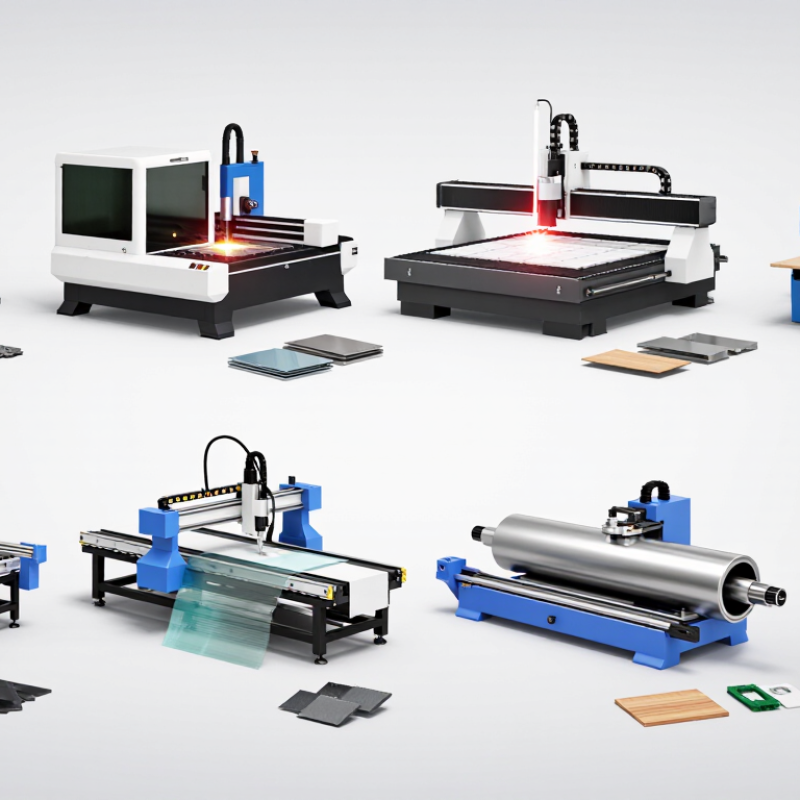
What Is a CNC Cutting Machine and How Does It Work?
A CNC cutting machine is a computer-controlled system that removes or separates material along programmed paths. CNC means computer numerical control. The machine reads coded instructions, moves its cutting head, and produces repeated shapes with consistent accuracy. Common types include CNC routers, laser cutters, plasma cutters, waterjet machines, oxy-fuel cutters, knife cutters, ultrasonic cutters, wire EDM machines, milling cutters, and abrasive saws.
The process usually begins with a CAD drawing. CAM software converts that design into toolpaths and G-code. The operator then selects cutting speed, feed rate, depth, and tool settings. After securing the sheet, the machine follows coordinates across several axes. A laser melts material, while a router uses a rotating bit. A waterjet cuts with high-pressure water and abrasive particles. Each method behaves differently.
Material thickness matters. So does heat. A plasma cut may leave a rougher edge, while a waterjet can protect heat-sensitive materials. In daily production, checking the first piece is essential. Small errors in focus, clamping, or tool wear can affect every later part. The first cut is rarely perfect. That is a useful warning, not a failure. Operators should inspect dimensions, edge quality, and burrs before continuing. Dust extraction, guarding, emergency stops, and correct personal protection also remain necessary, even when the machine appears fully automated.
What Are the Top 10 CNC Cutting Machine Types?
CNC cutting machines use computer-controlled coordinates to guide a tool, blade, wire, jet, flame, or beam along programmed toolpaths. The chart compares representative cutting widths, or kerfs, commonly associated with each machine type. Actual results depend on material, thickness, tooling, power, speed, and process settings.
Laser and wire EDM systems generally produce the narrowest cuts and are suited to precision work. Plasma, oxy-fuel, and abrasive waterjet machines are commonly selected for thicker metals and harder materials. CNC routers, knives, ultrasonic cutters, saws, and punch-based systems are often used for wood, plastics, composites, textiles, foams, sheet materials, and other specialized applications.
What Are the Top 10 CNC Cutting Machine Types?
What Are the Top 10 CNC Cutting Machine Types?
The top 10 CNC cutting machine types serve different materials, thicknesses, and production goals. CNC laser cutters deliver narrow kerfs and clean edges on sheet metal. CNC plasma cutters handle thicker steel at lower operating costs. CNC waterjet cutters use abrasive particles to cut stone, glass, composites, and heat-sensitive metals. CNC oxy-fuel cutters remain practical for very thick carbon steel.
CNC routers shape wood, plastics, aluminum, and composite panels. CNC knife cutters process foam, textiles, leather, and packaging board without burning edges. Wire EDM machines cut hardened conductive metals with exceptional accuracy. CNC milling machines remove material through rotating tools and suit complex three-dimensional parts. CNC turning centers produce cylindrical components, such as shafts and bushings. CNC tube and pipe cutters use laser, plasma, or saw systems for round and structural profiles. These are the main categories, although hybrid machines can blur the boundaries.
Tips: Match the cutting method to the material before comparing speed. A 2024 Fortune Business Insights report valued the global laser cutting machine market at about 6.8 billion dollars in 2023. It projects strong growth through 2030. Grand View Research also forecasts approximately 9.5% annual growth for the broader CNC machine market from 2023 to 2030. These figures suggest rising demand, but they do not guarantee a quick return. In practice, dust extraction, consumable costs, operator skill, and maintenance often matter more than advertised cutting speed. I have seen specifications look impressive, yet poor fixturing ruined the edge quality. That detail deserves more attention.
How Can You Choose the Right CNC Cutting Machine?
Choosing among the top ten CNC cutting machine types requires more than comparing purchase prices. Common options include laser, plasma, waterjet, oxy-fuel, router, knife, wire EDM, sinker EDM, ultrasonic, and tube-laser machines. Each serves a different cutting problem. Laser machines suit thin, precise sheet metal. Plasma handles thicker steel quickly. Waterjet avoids heat-affected zones, while routers work well with wood, plastics, and composites. Wire EDM offers exceptional accuracy for conductive metals, but it is slow.
Market data supports careful planning. Grand View Research estimates the global CNC machine market reached about USD 86.6 billion in 2023, with strong growth expected through 2030. This expansion does not mean every machine fits every workshop. Reviewers should compare material type, thickness, tolerance, edge quality, production volume, floor space, and operator skill. Energy use also matters. A machine with impressive speed may consume more power, shielding gas, or abrasive media than expected.
In practice, calculate cost per finished part, not cost per hour. A fabricator cutting 12-millimeter steel may favor plasma, while a medical component producer may require wire EDM. Check local service access and spare-part availability. Ask for sample cuts using your actual material. Small details matter. I would also question advertised tolerances, because maintenance and programming can change real results. A spreadsheet helps, but it cannot reveal vibration, dust, noise, or awkward loading. As reported by MarketsandMarkets, automation demand continues rising, yet human setup decisions still influence final quality.