Top Tips for Choosing the Best Battery Electric Bicycle?
Choosing the right Battery Electric Bicycle can be overwhelming. With numerous options available, making an informed decision is essential. Dr. Jane Smith, a leading expert in sustainable transportation, emphasizes, "A quality Battery Electric Bicycle should enhance your riding experience and fit your lifestyle." This insight highlights the importance of careful selection.
When considering a Battery Electric Bicycle, think about the purpose of your ride. Do you need it for commuting or leisure? Quality varies widely among models. Factors like motor power, battery life, and frame design matter greatly. Every choice affects comfort and efficiency. An ill-fitting bike can lead to stress and frustration.
Additionally, consider after-sales service and warranty options. Not all brands offer equal support. A reliable manufacturer adds peace of mind. Remember, investing in a Battery Electric Bicycle is not just about the initial cost. It's about longevity and performance. Reflect on your priorities before making a decision.
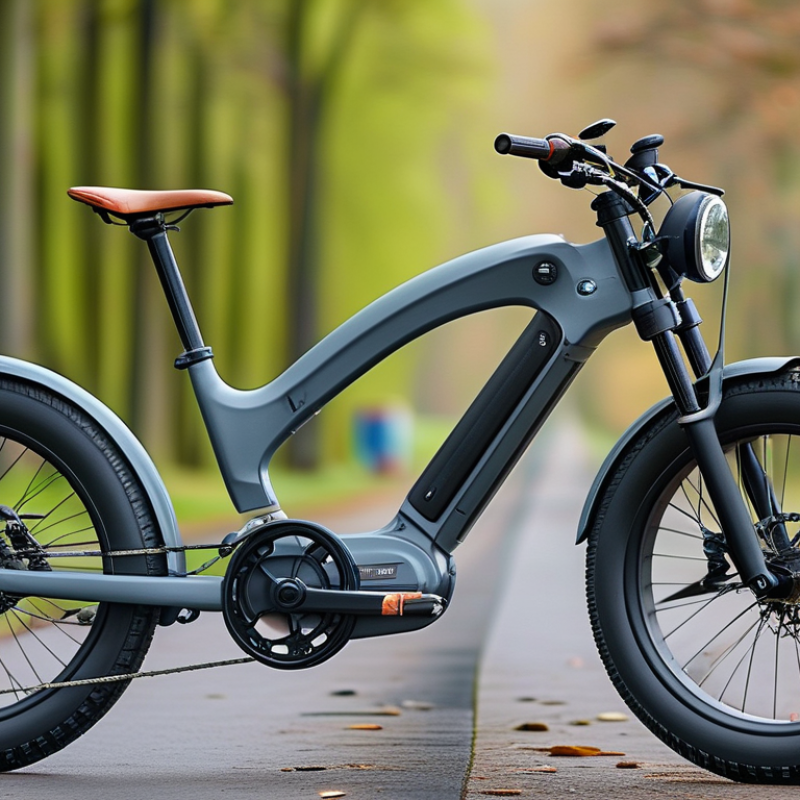
Understanding Battery Electric Bicycles: An Overview of Key Features
Battery Electric Bicycles (BEBs) are gaining popularity for various reasons. They are eco-friendly and efficient. When exploring options, it's crucial to understand key features. Let's dive into what makes a BEB stand out.
Battery capacity is essential. It determines how far you can travel on a single charge. Look for a battery size that matches your daily routes. However, larger batteries add weight. This might affect your riding comfort. Understand the trade-offs.
The motor's power is another critical element. A strong motor can help conquer hills with ease. But high power can drain the battery faster. Balance is key here. Additionally, consider the bike’s overall design and weight. A lightweight frame aids in portability and handling. But, a solid build can offer more stability during rides. It's vital to weigh your priorities.
Evaluating Battery Life and Charging Requirements for Electric Bicycles
When choosing a battery electric bicycle, evaluating battery life is crucial. For urban commuters, a battery capacity of 400 to 600 watt-hours (Wh) is often sufficient. This range typically provides 20 to 50 miles of range, depending on rider weight and terrain. Reports indicate that about 60% of riders prefer traveling between 20 and 30 miles on a single charge. This shows that understanding your daily needs is key to making an informed decision.
Charging requirements can vary significantly. Most e-bikes have standard charging speeds of 2 to 4 hours for a full charge. However, fast chargers are available, reducing this time to 1 to 2 hours. Many users often overlook the importance of charging cycles. Industry research notes that batteries can last anywhere from 500 to 1,000 cycles before significant degradation. Regular monitoring of battery health can extend its life. It’s essential to consider how often you will use the bike and in what conditions. Performance can drop in extreme temperatures, so be aware of the implications for your specific riding environment.
Comparing Motor Types: Hub vs. Mid-drive for Optimal Performance
When choosing a battery electric bicycle, understanding motor types is crucial. Hub motors are common. They sit in the wheel hub, providing a straightforward design. This motor type offers decent power and efficiency for urban commuting. However, it can struggle on steep hills. Studies reveal that hub motors may not perform well under heavy loads. For many riders, this limitation can impact their experience in varied terrains.
Mid-drive motors are another option. They are positioned at the bike's crank. This design allows for better weight distribution. As a result, mid-drive motors excel in hill climbing and overall performance. According to industry reports, they achieve a higher efficiency than hub motors, especially in challenging environments. Some users note that mid-drive motors require more maintenance, which is something to consider.
Battery life is also affected by motor choice. Hub motors draw power differently compared to mid-drive systems. While hub motors may feel simpler, mid-drive motors often offer better energy utilization. Riders should reflect on their needs. If frequent trekking is part of the plan, a mid-drive may be worth the investment. In contrast, casual riders may prefer the ease of a hub motor. Ultimately, knowing the pros and cons of each system will guide your decision.
Assessing Frame Design and Weight for Comfort and Usability
When choosing a battery electric bicycle, the frame design is crucial. A well-designed frame enhances comfort during rides. Consider materials like aluminum or carbon fiber for lightweight durability. A lighter frame allows easier handling. However, some heavier frames offer stability, especially at high speeds. Test the bike to find your ideal balance between weight and sturdiness.
Weight distribution significantly affects usability. An ideal electric bicycle should feel balanced while riding. If the battery is too heavy or poorly placed, it can throw off the center of gravity. This imbalance may lead to discomfort or difficulty maneuvering. Take time to assess how it feels when you ride. Be mindful of how the frame size fits your body. The right fit contributes to a more enjoyable riding experience.
Many riders overlook the importance of frame geometry. A comfortable riding position can prevent strain on your back and arms. Different geometries suit various styles, from casual commuting to vigorous trail riding. Trying out various models helps identify what works best for you. Reflect on your riding habits and preferences. Not every design may meet your needs, and that's perfectly okay. Explore your options until you find the perfect match.
Exploring Safety Features and Accessories for Electric Bicycle Riders
When choosing a battery electric bicycle, safety features and accessories play a crucial role. Recent industry reports indicate that over 45% of electric bike accidents result from visibility issues. Thus, equipping your bicycle with high-quality lights and reflective materials is essential for night riding. A bright front light can enhance visibility by up to 200%.
Helmet usage is key for rider safety. Studies show that wearing a helmet reduces the risk of severe head injuries by 70%. Look for helmets that meet safety standards like CPSC or EN 1078. Modern helmets come with integrated lights or smart features, providing added protection. Furthermore, anti-lock braking systems can significantly improve stopping power, reducing stopping distances by 20% in adverse conditions.
Accessories such as rearview mirrors and bell systems increase awareness of surroundings, contributing to a safer ride. Investing in a sturdy lock can prevent theft, with reports indicating that bike theft rates are on the rise, affecting over 1.5 million cyclists each year. Reflecting on these features and their importance can enhance your riding experience.
Top Features to Consider When Choosing a Battery Electric Bicycle
This chart illustrates the key features to consider when selecting a battery electric bicycle. Factors such as battery life and motor power are rated with importance levels on a scale from 1 to 10, highlighting what riders prioritize for safety and performance.