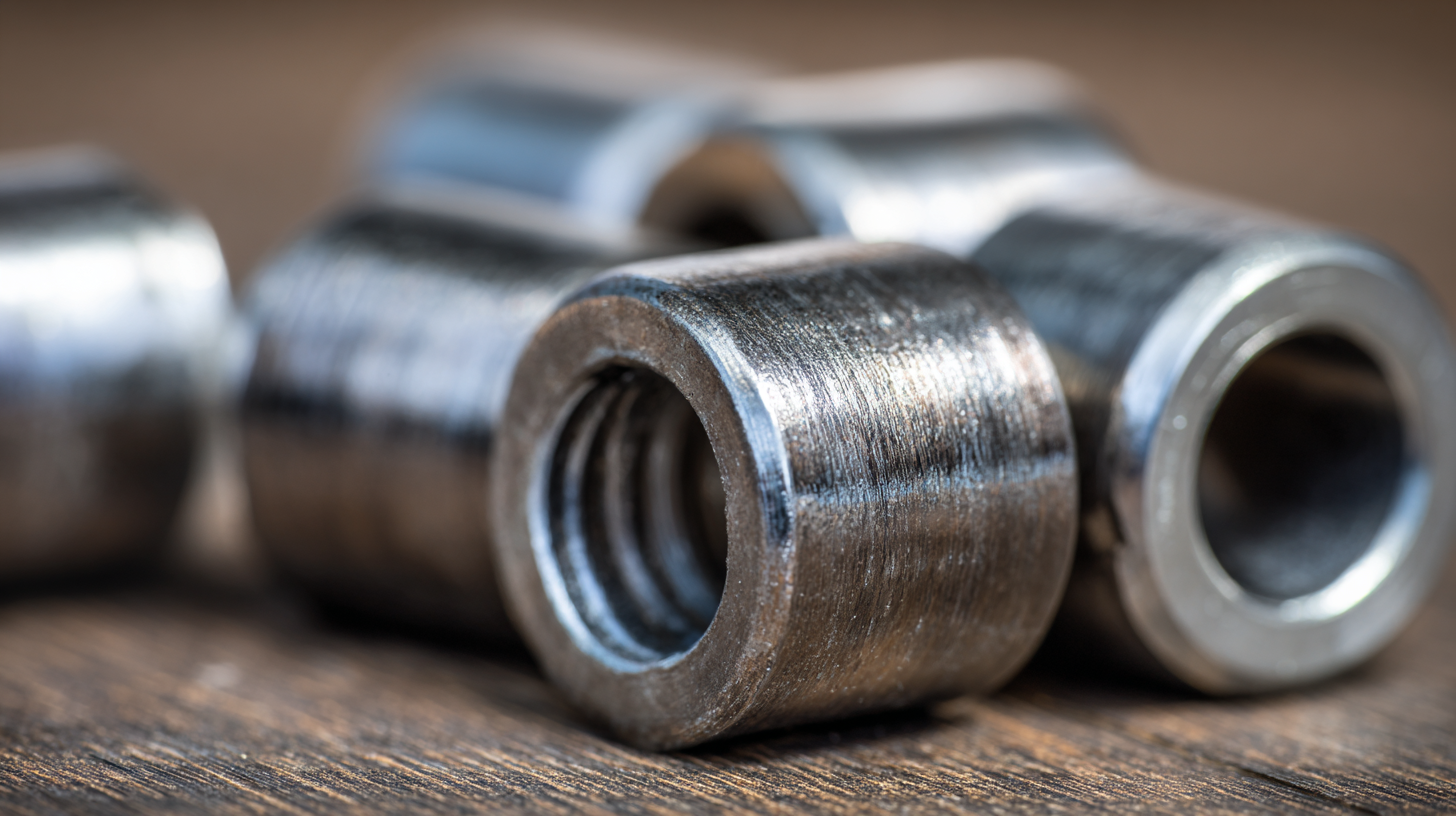
Understanding the Role of Steel Fittings in Modern Construction: A Comprehensive Guide
In the realm of modern construction, the use of steel fittings has become increasingly vital in ensuring structural integrity and durability. As the industry evolves, the demand for reliable and efficient materials leads to a greater emphasis on understanding the various types of steel fittings available, their applications, and the best practices for their installation and maintenance.
This comprehensive guide aims to demystify the role of steel fittings in contemporary building projects, providing valuable insights and practical tips for architects, engineers, and contractors alike. By exploring the advantages offered by steel fittings, from their strength and flexibility to their cost-effectiveness, this guide will serve as an essential resource for anyone involved in construction, helping to ensure that every project not only meets but exceeds the rigorous standards of quality and safety expected in today’s competitive landscape.
The Importance of Steel Fittings in Structural Integrity and Safety
Steel fittings play a pivotal role in enhancing the structural integrity and safety of modern construction projects. These fittings, which include connectors, joints, and other components, ensure that various structural elements work cohesively. By providing sturdy and reliable connections, steel fittings minimize the risk of structural failures, thereby safeguarding the integrity of buildings, bridges, and other infrastructures. Their high tensile strength and durability make them especially suitable for demanding environments where reliability is paramount.
Furthermore, the use of steel fittings contributes significantly to the overall safety of construction sites. By effectively distributing loads and reducing stress concentrations, these fittings help to stabilize structures against environmental factors such as wind, earthquakes, and heavy loads. This is crucial not only during the construction phase but also throughout the lifespan of the structure. Adopting high-quality steel fittings can lead to enhanced safety standards, ultimately protecting the lives of workers and occupants alike. Thus, the integration of robust steel fittings is essential in the pursuit of safer, more reliable modern construction.
Understanding the Role of Steel Fittings in Modern Construction
| Type of Steel Fitting |
Function |
Common Materials |
Applications |
Importance in Structural Integrity |
| Elbows |
Change direction of piping |
Carbon steel, stainless steel |
Plumbing, HVAC systems |
Reduces stress on joints |
| Couplings |
Join two pipes |
Galvanized steel, cast steel |
Water supply, irrigation |
Maintains pipe integrity |
| Flanges |
Connect pipes to equipment |
Stainless steel, alloy steel |
Chemical processing, oil and gas |
Ensures tight seals |
| Tees |
Branch off a main pipe |
PVC, carbon steel |
HVAC, fire protection systems |
Distributes flow effectively |
| Nipples |
Connect two fittings |
Brass, steel |
Hydraulic systems, water services |
Provides strength and stability |
How to Select the Right Steel Fittings for Your Construction Project
Selecting the right steel fittings for your construction project is crucial for ensuring structural integrity and overall safety. According to a 2022 report by the Global Construction and Steel Market Research Institute, the demand for steel fittings has surged by approximately 15% over the last five years, driven by the rapid growth in urbanization and infrastructure development. Steel fittings, including flanges, elbows, and couplings, play an essential role in connecting various piping systems, ensuring that they can withstand pressure and environmental factors.
When choosing steel fittings, consider factors such as the type of project, load requirements, and environmental conditions. For instance, construction projects exposed to extreme weather conditions may require corrosion-resistant fittings, such as galvanized or stainless steel options. A recent survey conducted by the American Institute of Steel Construction found that steel fittings with enhanced durability ratings can reduce maintenance costs by up to 20% over the lifetime of a structure. Additionally, it’s important to source fittings from certified manufacturers to ensure compliance with industry standards, as this can significantly impact the overall functionality and longevity of the construction.
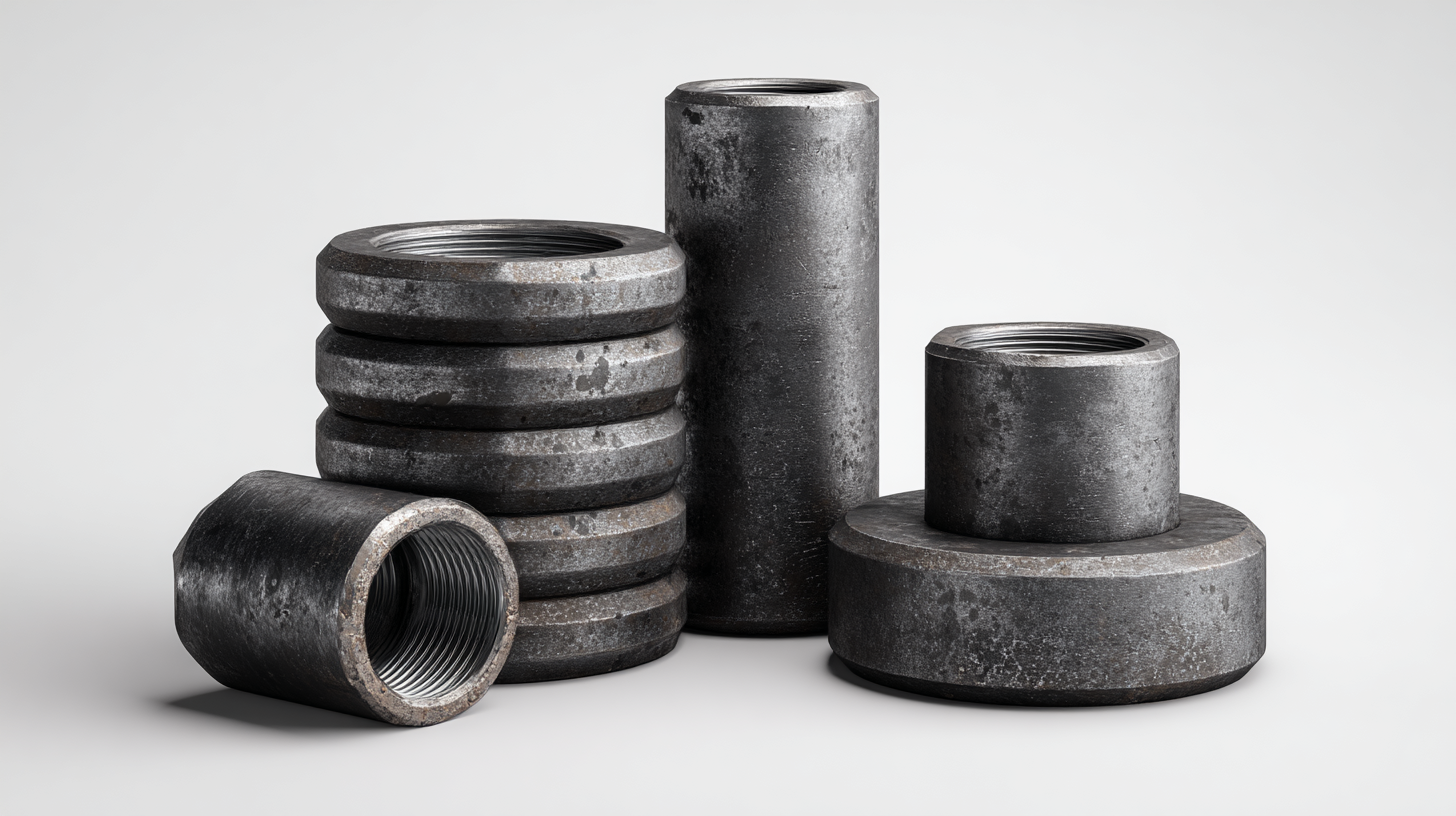
Installation Best Practices for Steel Fittings in Modern Buildings
In modern construction, the integration of steel fittings plays a crucial role not only in the structural integrity of buildings but also in ensuring fire safety, especially in smaller blocks. The installation of these fittings requires adherence to specific best practices to enhance fire resistance and minimize risks. For instance, using galvanized steel fittings can prevent corrosion and maintain the strength necessary to withstand high temperatures. Proper joint connections and securing methods, such as welding or bolting, must be carefully implemented to ensure that these fittings can effectively bear the load during a fire scenario.
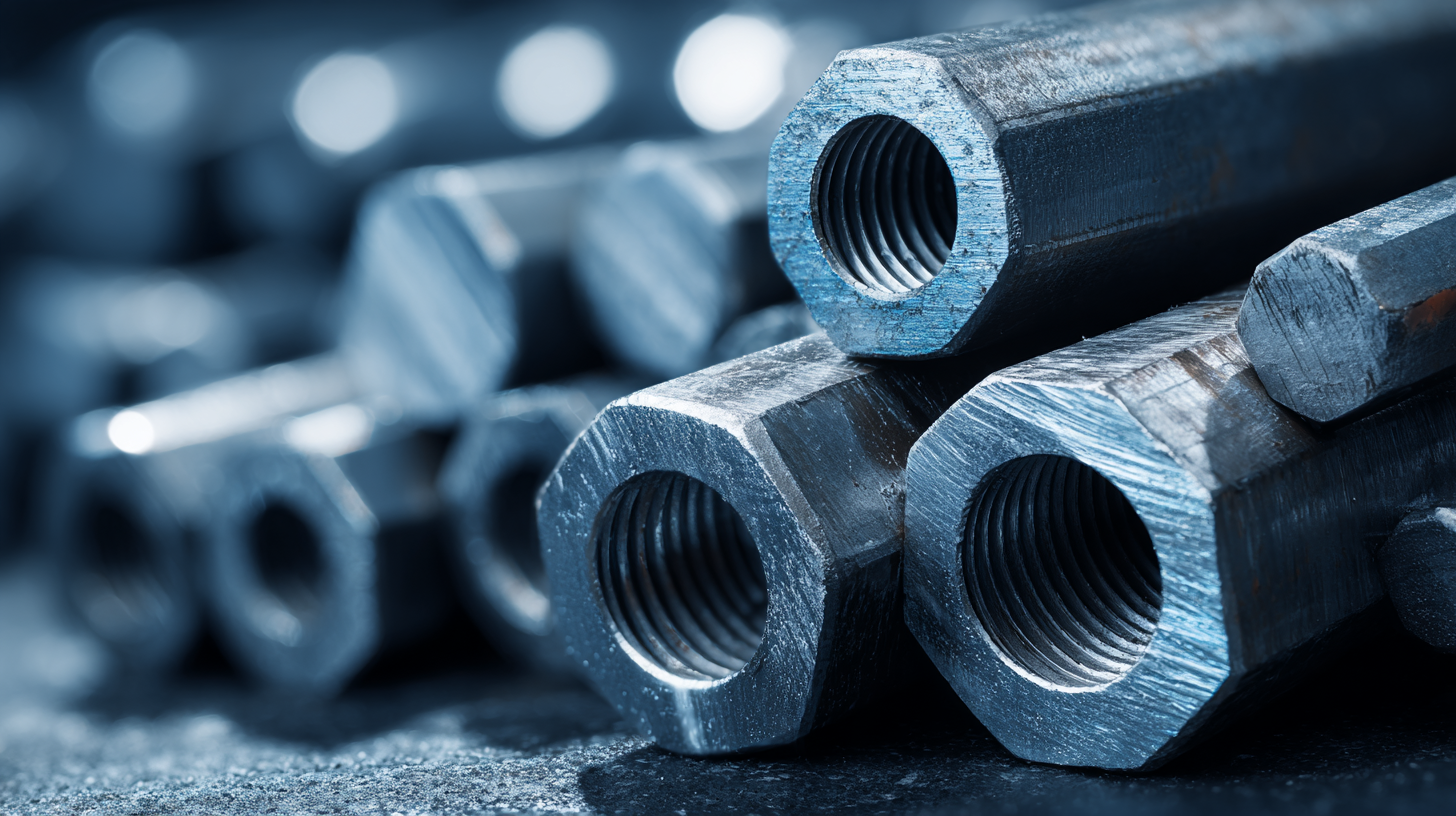
Moreover, planning the layout and placement of steel fittings is essential. Ensuring that fittings are strategically located and adequately spaced can improve fire compartmentalization and limit the spread of flames. Additionally, integrating fire-resistant materials around fittings further fortifies their protective qualities. Training construction workers in these best practices is vital for enhancing overall safety, as it equips them with the knowledge to properly install fittings that adhere to fire safety codes and standards, ultimately leading to safer modern buildings.
Maintaining and Inspecting Steel Fittings: A Step-by-Step Approach
Maintaining and inspecting steel fittings is crucial in modern construction, as these components play a vital role in ensuring structural integrity and safety. Regular inspections are necessary to identify any signs of wear, corrosion, or damage. According to industry reports, nearly 30% of structural failures in construction can be traced back to inadequate maintenance of steel fittings. A systematic approach involves checking for signs of rust, ensuring proper alignment, and verifying that all bolts and connections are secure.
A step-by-step method for inspection can greatly enhance the lifecycle of steel fittings. Start by conducting a visual inspection to spot any surface defects. Next, use appropriate measuring tools to check for alignment and any dimensional changes that may have occurred over time. According to safety standards revised by the Occupational Safety and Health Administration (OSHA), maintaining specific load capacities and tolerances is essential to prevent accidents and ensure safety on-site. Regular documentation of inspection results can also help in forecasting replacements and maintenance needs, ultimately paving the way for increased safety and reduced costs in construction projects.
Innovative Trends in Steel Fitting Designs for Enhanced Efficiency
The landscape of modern construction is constantly evolving, and steel fittings play a pivotal role in enhancing the efficiency of building projects. Recent innovative trends in steel fitting designs focus on not only improving structural integrity but also streamlining installation processes. For instance, modular fittings are gaining popularity as they allow for quicker assembly on-site, significantly reducing labor time and costs. These modular designs often incorporate standardized components that can be easily interchanged, facilitating repairs and upgrades without extensive downtime.
Moreover, advancements in technology have led to the adoption of smart fittings that integrate IoT capabilities. These sophisticated fittings can monitor structural health in real-time, providing crucial data that inform maintenance decisions and ensure safety. This fusion of technology and materials is redefining how construction projects are managed, allowing for a proactive approach to issues that may arise over time. As the industry continues to embrace these cutting-edge innovations, the impact of modern steel fittings will undoubtedly shape the future of construction efficiency.