What is the Role of Flow Valves in Fluid Control Systems?
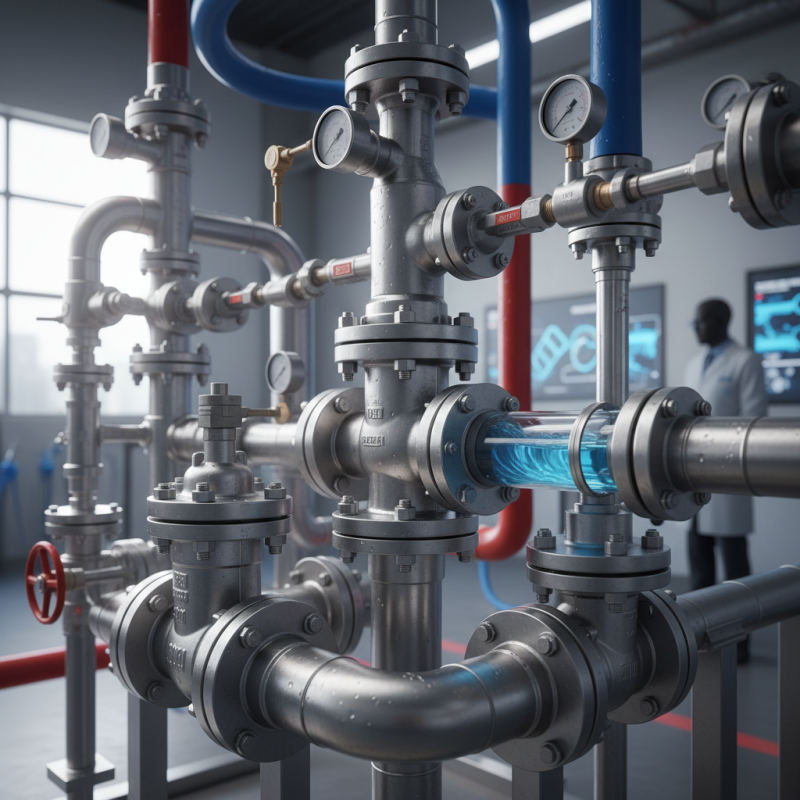
Fluid control systems rely heavily on flow valves. These components manage the rate and direction of fluid, ensuring efficient operations. Dr. Emily Carter, a leading expert in fluid dynamics, emphasizes, "Flow valves are crucial for stability and control in any fluid system." Her insight highlights their importance in various applications.
Flow valves regulate not only industrial processes but also everyday systems, like plumbing and irrigation. They respond to the system's needs, allowing for adjustments based on demand. This adaptability proves essential in preventing leaks and pressure buildup, which can lead to failures.
Yet, the selection and maintenance of flow valves can pose challenges. Choosing the wrong type might result in inefficiencies. Regular checks are necessary to ensure optimal performance. Although flow valves appear straightforward, their role is complex—every decision matters in fluid management.
The Importance of Flow Valves in Fluid Control Systems
Flow valves play a crucial role in fluid control systems. They regulate the flow rate and pressure of liquids or gases in various applications. These valves can be manual or automatic, depending on the system needs. Their design often includes simple mechanisms that allow for precise adjustments. This precision is vital in industries like manufacturing and water treatment.
Proper selection and sizing of flow valves are essential for optimal performance. An improperly sized valve can lead to inefficiencies. For instance, a valve that is too small may restrict flow, while one that is too large may not provide adequate control. These issues can affect system reliability and may require costly retrofits.
Regular maintenance is important for ensuring valve functionality. Accumulated debris can lead to malfunction, impacting fluid control. Many systems fail due to overlooked wear and tear on valves. It is crucial to inspect and replace valves periodically, ensuring they meet operational requirements. Ignoring these factors can lead to larger system failures and increased downtime.
Types of Flow Valves and Their Specific Applications in Industries
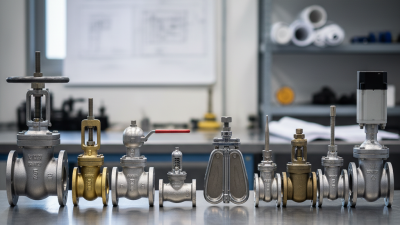
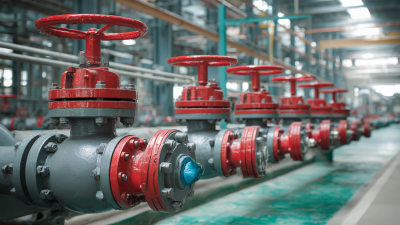
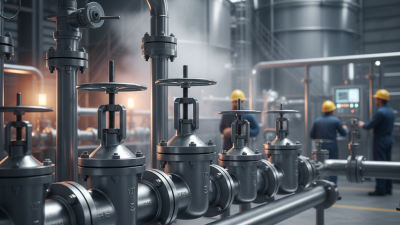
Flow valves play a crucial role in fluid control systems across various industries. There are several types of flow valves, each designed for specific applications. For example, gate valves are commonly used in water supply systems. They provide a straight flow path and minimal pressure drop.
Ball valves are favored in oil and gas applications due to their durability and quick shut-off capabilities. In pharmaceutical sectors, butterfly valves are prevalent, offering effective flow regulation.
When selecting flow valves, consider the application carefully. Always assess the pressure and temperature conditions they will face. Tips for selecting the right valve include checking compatibility with the fluid to avoid corrosion. Consider the maintenance needs, as some types require regular servicing. It may be helpful to consult with professionals who have experience in fluid dynamics. Their insights can aid in making informed decisions.
Another important aspect is the installation process. Ensure that the valves are installed correctly to avoid leaks and inefficiencies. Regular inspections will help maintain system integrity. Note that working with fluid control systems can be complex. Miscalculations in valve placement can lead to significant issues down the line. Thus, thorough planning and expert advice are key.
Understanding Flow Rate Control and Measurement Techniques
Flow rate control is essential in fluid control systems. It ensures that the
right amount of fluid moves through pipelines. Proper measurement techniques are vital for efficiency. These techniques help in monitoring
and adjusting flow rates accurately.
One common practice is using flowmeters. They can measure various flow types, such as volumetric or mass. Accurate readings can assist
in optimizing operation processes. Insights gained from these measurements can lead to noteworthy improvements. However, choosing the
right flowmeter requires understanding the application and environment.
Tip: Regularly calibrate your flow measurement devices. This ensures reliable results over time.
Tuning flow rates can sometimes be tricky. Factors like temperature and pressure fluctuations can alter measurements. It's important
to consider these conditions during setup. Implementing robust monitoring systems can help adapt to changes effectively.
Tip: Use backup systems to cross-check primary measurements. This adds a layer of reliability.
Key Performance Indicators for Assessing Flow Valve Efficiency
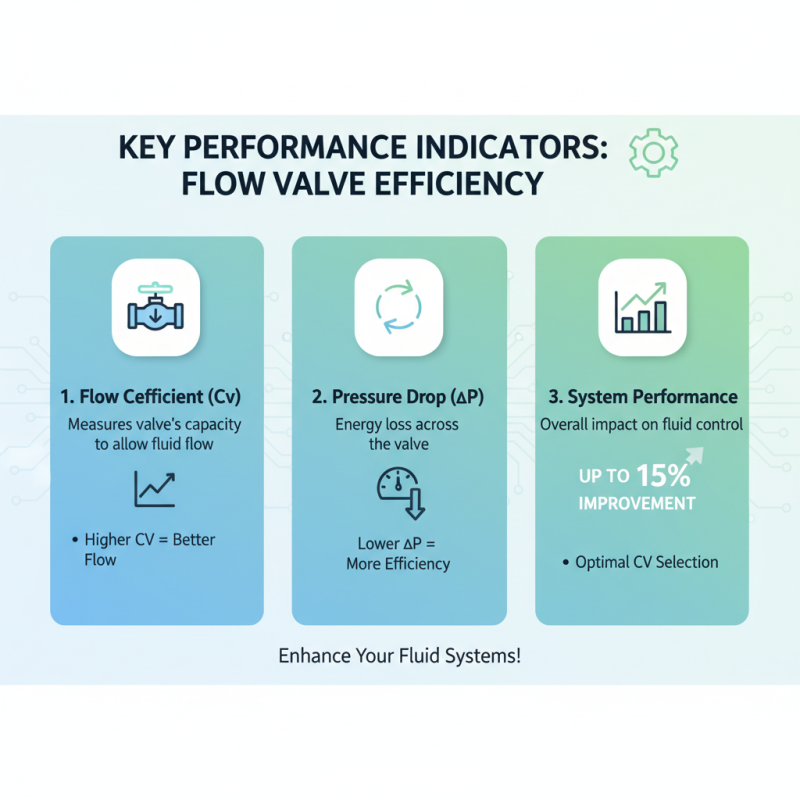
Flow valves play a crucial role in fluid control systems by regulating flow rates and pressure. Their efficiency can be evaluated through several key performance indicators (KPIs). One significant metric is the flow coefficient (Cv), which indicates the valve's capacity to allow a certain flow rate at a specific pressure drop. Research suggests that selecting valves with optimal Cv can enhance system performance by up to 15%.
Another essential KPI is leakage rate. A valve with minimal leakage contributes to energy savings. Studies highlight that even a small leak, about 1/8 inch in diameter, can waste thousands of gallons per year in fluid systems. Communicating the transparency of leakage data is vital for long-term efficiency and trust in fluid control.
Tips: Regular maintenance is critical. Inspect valves periodically for wear and tear. Also, monitor performance data actively. This not only preempts system inefficiencies but also prolongs valve lifespan. System design considerations must also align with the fluid type and application to maximize effectiveness. Therefore, constant evaluation of these KPIs helps maintain operational integrity and efficiency.
Future Trends in Flow Valve Technology for Enhanced Fluid Management
Flow valves are critical components in fluid control systems. They regulate the flow of liquids or gases, ensuring efficiency and safety. As we advance into a more connected world, the trends in flow valve technology focus on enhanced fluid management. These innovations are vital for various industries, including manufacturing and energy.
The future looks promising with the integration of smart technologies in flow valves. Sensors and IoT capabilities allow for real-time monitoring. This means operators can detect issues before they escalate, providing insights into maintenance needs. Automation also plays a significant role. Automated flow valves can adjust flow rates without manual intervention, optimizing processes.
Tips: Consider regular maintenance to extend the life of your flow valves. Using high-quality materials can prevent leaks and failures. Investing in sensors can be beneficial; they help monitor performance efficiently. Companies must remain adaptable to change. Relying on older technology can hinder efficiency. Staying informed on new advancements is essential for competitiveness. Embrace these changes to enhance your fluid control systems effectively.
What is the Role of Flow Valves in Fluid Control Systems? - Future Trends in Flow Valve Technology for Enhanced Fluid Management
| Dimension |
Description |
Current Trends |
Future Innovations |
| Type of Fluid |
Liquids, Gases, Slurries |
Increased use of clean fluids |
Smart fluid detection technology |
| Valve Materials |
Metal, Plastic, Composite |
Higher corrosion resistance materials |
Eco-friendly materials development |
| Control Method |
Manual, Automated, Remote |
Increased automation and remote control |
AI-driven control systems |
| Application Areas |
Manufacturing, Oil & Gas, Water Management |
Growth in renewable energy sectors |
Integration with IoT for smart grids |
| Energy Efficiency |
Minimizing energy loss during fluid control |
Focus on energy-saving solutions |
Adaptive flow regulation systems |