Top Metal Fabrication Trends to Watch in 2026?
As we look ahead to 2026, the landscape of Metal Fabrication continues to evolve at an unprecedented pace. Industry expert Dr. Emily Carter states, "Innovation is essential in Metal Fabrication to meet future demands." This sentiment encapsulates the urgency of embracing cutting-edge technologies and practices in the sector.
Emerging trends point toward automation and sustainability becoming paramount. Companies are increasingly investing in robotic systems and eco-friendly materials. This shift allows for higher efficiency and reduced environmental impact. However, not all companies are adapting quickly. Some still rely on outdated methods, risking their market position.
The integration of digital tools, such as AI and IoT, is transforming Metal Fabrication. Smart manufacturing can enhance productivity, but it requires skilled personnel to manage these technologies. Companies must invest in training their workforce, yet many hesitate. This challenge will shape the industry's future. Addressing these gaps is vital for growth and competitiveness in the ever-changing landscape.
Key Innovations in Automation for Metal Fabrication by 2026
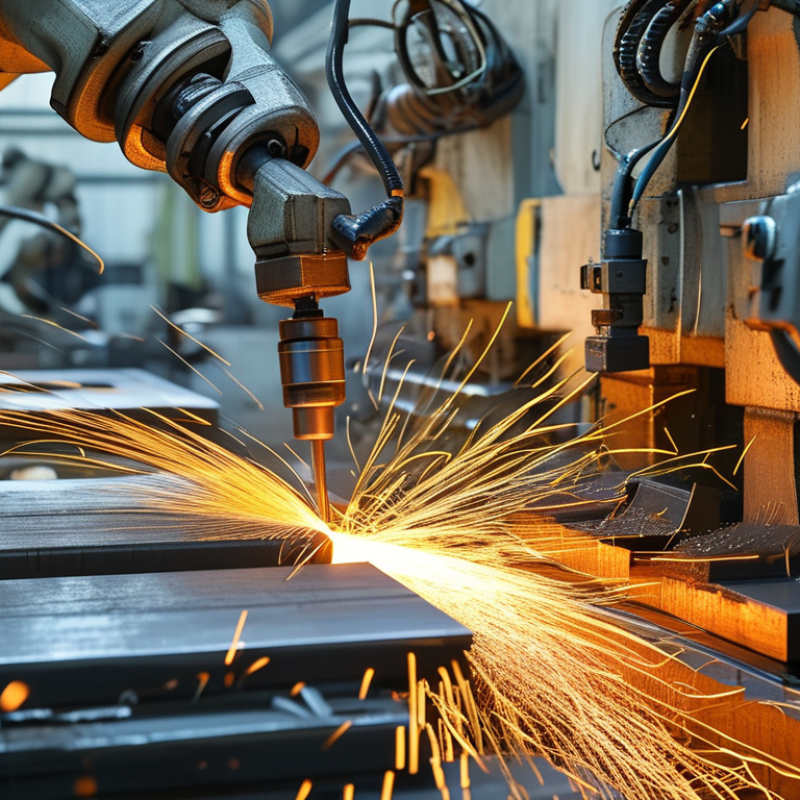
As we move toward 2026, automation in metal fabrication is gaining momentum. Key innovations will reshape the industry, focusing on efficiency and precision. Robotics will play a crucial role. These machines will handle tasks like welding and cutting faster and more accurately. This promises less waste and faster production times. Advanced sensors will provide real-time data. This data will guide machines, improving decision-making on the floor.
Collaboration between humans and machines is another area to observe. Cobots, or collaborative robots, will work alongside skilled workers. They will assist in tasks, allowing humans to focus on complex design and troubleshooting. This partnership aims to enhance productivity without compromising safety. Additionally, software solutions will evolve. More intuitive user interfaces will emerge, making it easier for operators to utilize advanced technologies.
However, the transition to fully automated systems isn’t without challenges. Training workers to adapt to new technologies can be difficult. There may be resistance to change from seasoned employees. Questions about job security will also arise. Addressing these issues is essential for successful integration. Balancing automation with workforce needs and company goals will be key. The future of metal fabrication promises exciting advancements, yet requires thoughtful implementation.
Top Metal Fabrication Trends to Watch in 2026
| Trend | Key Innovation | Impact on Industry | Projected Growth (%) |
| Industry 4.0 Integration | Enhanced connectivity and data analytics | Improved operational efficiency and decision-making | 25% |
| Automated Welding | Robotic welding systems | Reduction in labor costs and increased precision | 30% |
| Additive Manufacturing | 3D printing for metal parts | Greater design flexibility and reduced waste | 40% |
| Sustainability Initiatives | Use of recycled materials | Lower environmental impact and compliance with regulations | 20% |
| AI and Machine Learning | Predictive maintenance algorithms | Minimized downtime and maintenance costs | 35% |
Sustainability Practices Reshaping the Metal Fabrication Industry
As the metal fabrication industry evolves, sustainability practices are becoming central to its future. Companies are increasingly focusing on eco-friendly methods and materials. This shift is driven by regulatory changes and consumer demand for greener solutions. In 2026, we may see more businesses adopting recycled metals. These materials can reduce waste and lower the carbon footprint.
Innovative technologies are also reshaping the landscape. For instance, 3D printing allows for precise material usage. It minimizes excess and energy consumption. Yet, these advancements necessitate a skilled workforce. The challenge lies in training employees to adeptly use new technologies while maintaining quality standards. It's a balancing act that requires time and investment.
Sustainability is not just about materials; it also involves processes. Lean manufacturing helps cut down on waste. However, not every company can implement lean practices successfully. Some may struggle to align their operations with sustainable methods. This inconsistency highlights the need for continuous evaluation and improvement within the industry. Embracing sustainability may lead to better practices, but it requires commitment and introspection.
Impact of Advanced Materials on Metal Fabrication Trends
As we approach 2026, advanced materials are reshaping the landscape of metal fabrication. These materials promise not only to enhance performance but also to reduce weight and improve durability. According to a recent report from Deloitte, the global demand for advanced materials in engineering sectors is projected to reach $750 billion by 2025. This indicates a strong pivot towards innovation in material science that directly impacts fabrication practices.
Innovative materials like titanium alloys and carbon fiber composites are becoming mainstream. They present unique challenges in fabrication due to their distinct properties. For instance, carbon fiber composites require specialized cutting processes that differ from traditional metals. This shift demands new skill sets and technologies from the workforce, increasing the importance of training and adaptability in the industry.
Despite the promising outlook, integrating these advanced materials isn't without drawbacks. Costs for sourcing and processing can be significantly higher, which could impact project budgets. Moreover, the learning curve associated with new techniques can lead to initial inefficiencies. Companies must balance these challenges with the potential for enhanced performance and sustainability. A focused approach to research and development will be crucial to navigate these complexities in the evolving landscape of metal fabrication.
Emerging Technologies: 3D Printing and its Role in Metal Fabrication
The integration of 3D printing in metal fabrication is transforming the industry. This technology streamlines processes and reduces material waste. Manufacturers are finding innovative ways to design parts with complex geometries. This flexibility allows for more efficient production methods.
Subtractive manufacturing techniques often lead to excess scrap metal. In contrast, 3D printing builds items layer by layer, using only the material needed. This shift enhances sustainability, making it a priority for many companies. There's an increasing need for businesses to adapt or risk falling behind.
Adopting 3D printing is not without challenges. The initial cost of technology can be daunting. Moreover, technical knowledge is necessary for effective implementation. Companies must invest in training and rethink their fabrication strategies. Balancing these hurdles against the potential benefits is crucial for future success.
Industry Growth Projections and Market Trends in Metal Fabrication
The metal fabrication industry is poised for significant growth in the coming years. According to recent market analysis, the global metal fabrication market is expected to reach approximately $25 billion by 2026, growing at a compound annual growth rate (CAGR) of around 4.5%. This growth is driven by advancements in technology and increased demand across various sectors such as construction, automotive, and aerospace.
One notable trend in metal fabrication is the integration of automation and robotic solutions. Reports indicate that about 50% of metal fabrication companies are adopting new technologies to increase efficiency. This shift reduces the reliance on manual labor, introducing challenges as workers must adapt to these technologies.
Furthermore, sustainability has emerged as a vital focus. Companies are exploring eco-friendly processes, aiming to reduce waste and energy consumption. Over 60% of industry leaders emphasize sustainability in their operational strategies.
Despite these positive projections, challenges persist. The labor market struggles to find skilled workers. Nearly 70% of metal fabrication firms reported difficulty in recruiting qualified personnel. There’s a pressing need for training programs to address this skills gap.
The evolving landscape of metal fabrication is one of both promise and complexity, demanding a proactive approach from businesses to thrive in 2026 and beyond.