
Quality Products

At a Fair Price

Wholesale Provider

Of Valves & Fittings

  • Corporate Office: 1301 Greengrass Drive Houston, TX 77008
  • 1-800-237-2512

Quality Products

At a Fair Price

Wholesale Provider

Of Valves & Fittings

Why Invest in Flotation Equipment for Your Business Success?

In today's competitive market, investing in Flotation Equipment can significantly enhance business success. According to the latest industry report from Mordor Intelligence, the global flotation equipment market is projected to grow at a CAGR of over 5% from 2021 to 2026. This growth reflects the increasing demand for efficient separation processes in mining and mineral processing.

Flotation Equipment plays a critical role in extracting valuable minerals from ores. Companies like Metso and FLSmidth are renowned for their cutting-edge flotation technologies. Their equipment improves recovery rates and reduces operational costs. However, the initial investment can be substantial. Many businesses hesitate to upgrade existing systems due to budget constraints.

Despite this, the long-term benefits often outweigh the costs. Enhanced recovery rates lead to higher revenue potential. Additionally, modern flotation systems offer better energy efficiency. Ultimately, businesses must weigh the initial challenges against the potential for greater profitability. Investing in Flotation Equipment is not just a choice; it's a strategic move towards achieving sustainable growth.
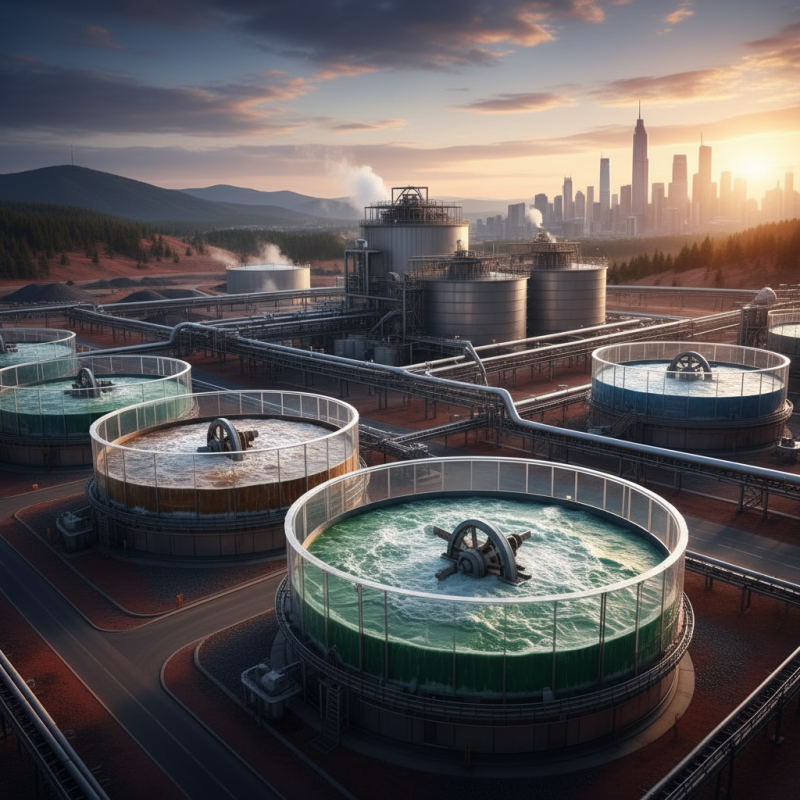
Why Invest in Flotation Equipment for Your Business Success?

Benefits of Flotation Equipment in Enhancing Operational Efficiency

Flotation equipment plays a vital role in industries such as mining and wastewater treatment. These systems promote the separation of materials, enhancing productivity and reducing waste. By streamlining operations, businesses can achieve better resource management.

Operational efficiency is often compromised by outdated methods. Investing in flotation technology can lead to significant improvements. For instance, modern flotation devices use air injection techniques to separate valuable minerals from ore. This process can save time and reduce labor costs. A well-functioning system minimizes the need for manual handling and accelerates production cycles.

Companies must be aware of their unique requirements. Not all flotation equipment will suit every operation. It’s crucial to assess the specific material properties and processing goals before making a decision. This reflection ensures optimal investment and resource allocation, which contributes to overall success. Making informed choices can lead to substantial long-term benefits.

Understanding the Cost-Effectiveness of Flotation Technology Investments

Investing in flotation equipment can significantly impact your business's cost-effectiveness. Flotation technology separates materials through controlled aeration. This process improves recovery rates and reduces waste. In industries like mining and wastewater treatment, it is vital for efficiency.

The initial investment in flotation equipment might seem high. However, the long-term savings can be substantial. Enhanced recovery means more valuable materials are extracted. Lower operational costs emerge from reduced manual labor and less energy consumption. Over time, these benefits can outweigh the upfront costs.

Some companies hesitate to invest due to perceived complexity. Flotation systems require regular maintenance and monitoring. Training staff on proper operation is also essential. These challenges highlight the need for commitment. Yet, those willing to adapt can see remarkable returns on their investment. Investing wisely in flotation technology can lead to long-term business success.

Investment in Flotation Equipment: Cost-Effectiveness Analysis

This bar chart illustrates the financial aspects of investing in flotation equipment. The initial investment is compared against operational cost savings and increased revenue, while also considering maintenance costs and projecting the return on investment (ROI) percentage. Such analyses can help businesses make informed decisions regarding flotation technology investments.

Key Factors to Consider When Choosing Flotation Equipment for Your Business

When choosing flotation equipment, several key factors must be considered to ensure optimal business success. First, the selection process depends heavily on the specific applications and material types involved. Research indicates that around 70% of flotation equipment failures occur due to improper matching of equipment to application. Understanding the properties of the materials being processed is crucial. This includes their particle size, density, and hydrophobicity.

Another important consideration is the equipment's energy efficiency. A recent report showed that energy consumption accounts for up to 40% of operating costs in flotation processes. Investing in equipment with high energy efficiency can significantly reduce costs. Furthermore, evaluate the maintenance requirements and the availability of spare parts. A study highlighted that downtime can lead to a loss of revenue estimated around $20,000 per hour for many operations. This emphasizes the need for reliable, easily serviceable equipment in today’s fast-paced business environment.

Lastly, consider the technology used in the flotation process. Innovations like automated control systems can enhance operational efficiency. However, adopting new technologies requires a careful assessment of compatibility with existing systems. Industry experts recommend piloting new technologies before full-scale implementation to avoid costly mistakes. Balancing these factors can lead to improved recovery rates and overall business success.

Why Invest in Flotation Equipment for Your Business Success?

Dimension Value
Initial Investment Cost $50,000 - $200,000
Maintenance Cost (Annual) $5,000 - $15,000
Capacity (tonnes per hour) 10 - 50
Efficiency (%) 70% - 90%
Lifespan (Years) 10 - 15
Suitable Industries Mining, Water Treatment, Recycling

Comparing Different Types of Flotation Equipment and Their Applications

Flotation equipment plays a crucial role in a variety of industries, particularly in mining and recycling. Different types of flotation systems, such as mechanical flotation cells and column flotation, offer tailored solutions for specific applications. Mechanical flotation cells are ideal for bulk mineral separation. They enhance recovery rates by creating a sturdy bubble surface, allowing faster attachment of particles. In contrast, column flotation excels in fine particle recovery. Reports indicate that up to 90% of fine minerals can be recovered using this technology, compared to less than 70% with traditional methods.

The choice of flotation equipment directly impacts operational efficiency. Data from the International Journal of Mineral Processing shows that poorly selected equipment can lead to recovery losses of 20% or more. In addition, implementing advanced flotation technologies will increase throughput and energy efficiency. However, investing in such equipment requires careful consideration of specific operational conditions. Each system has its benefits and limitations. This complexity urges businesses to conduct thorough evaluations before purchasing flotation equipment. The right choice can significantly influence profit margins and sustainability efforts in the long term.

Long-Term Impacts of Flotation Equipment on Sustainable Business Practices

Flotation equipment plays a crucial role in sustainable business practices. With growing environmental concerns, businesses must adapt to eco-friendly measures. Implementing flotation technology can significantly reduce waste and increase resource recovery. This efficiency leads to a lower environmental footprint, positively impacting brand reputation.

The long-term effects of investing in flotation equipment are profound. Companies can realize substantial cost savings over time. For instance, enhanced separation processes lead to higher yields from raw materials. However, the initial investment can be daunting. Businesses may hesitate, fearing high costs. Yet, the potential for reduced operational expenses demands careful consideration. It is essential to reflect on the overall value that efficiency brings.

Sustainability is not just a trend. It is a necessity. By prioritizing flotation technologies, businesses align with global sustainability goals. Customers increasingly favor eco-conscious brands. There’s a shift in consumer mindset. They seek transparency and responsibility. Thus, businesses investing in such technologies are likely to thrive in the evolving market landscape. It's a challenging yet rewarding avenue that invites reflection on future practices.

Top
error: Content is protected !!