Understanding the Importance of Ball Valves in Modern Industrial Applications
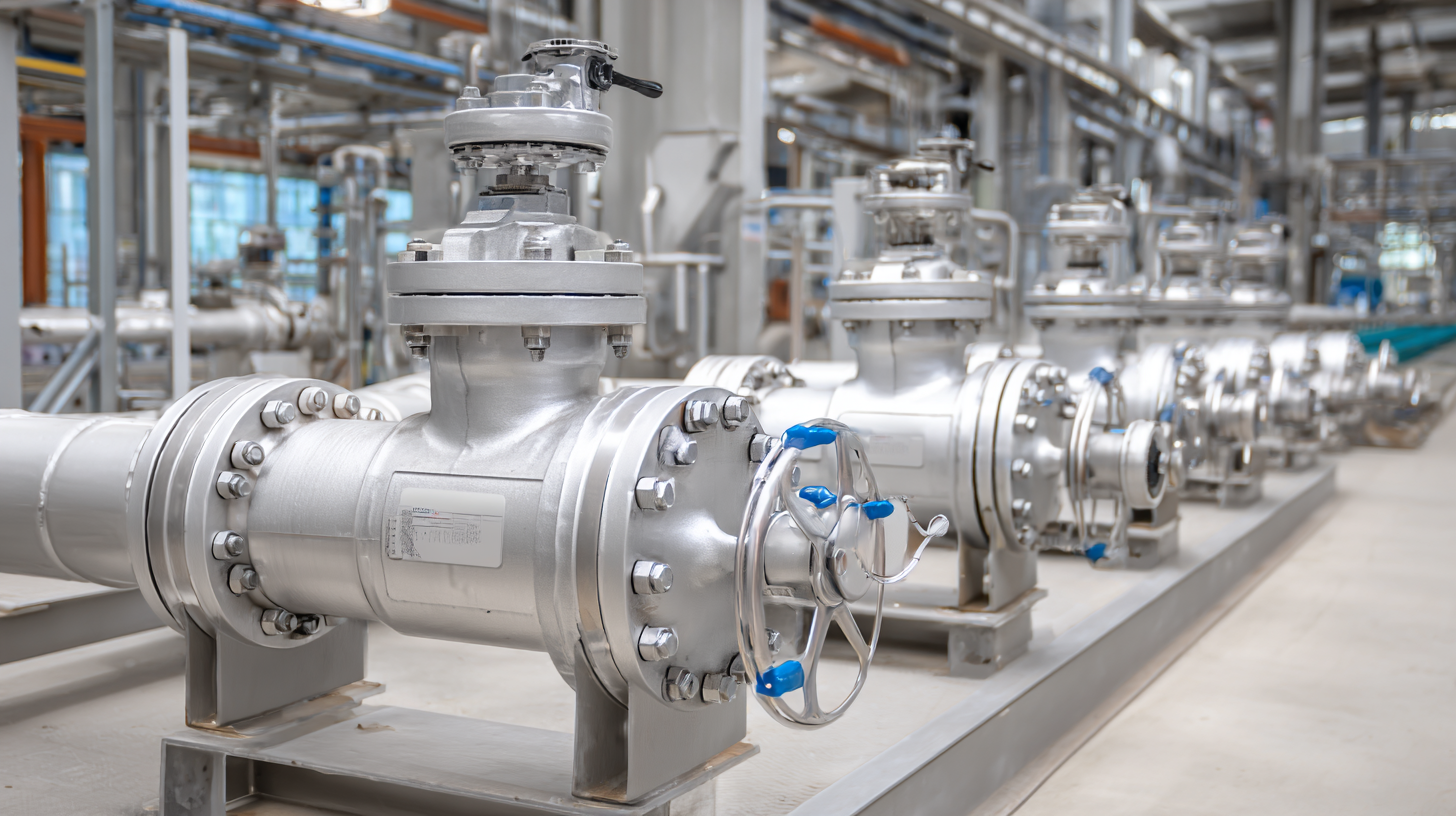
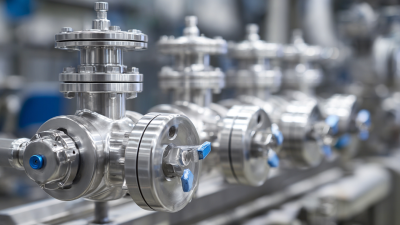
In today's rapidly advancing industrial landscape, the significance of ball valves cannot be overstated. These crucial components play an integral role in a wide range of applications, from water supply systems to chemical processing plants. Ball valves are favored for their ability to provide reliable isolation and control over fluid flow, ensuring operational efficiency and safety. Their robust design, featuring a spherical closure mechanism, allows for quick on-off functionality and minimal pressure drop, making them ideal for high-pressure environments.
As industries seek to enhance productivity and optimize processes, understanding the importance of ball valves becomes essential. This article aims to delve into the various types of ball valves, their specific applications, and the key benefits they offer in modern industrial settings, underscoring their role as indispensable components within the fluid control domain.
How to Select the Right Ball Valve for Your Industrial Needs
When selecting the right ball valve for your industrial needs, it's essential to consider several key factors that affect both performance and longevity. First, assess the operating conditions, including temperature and pressure ranges. Ball valves are available in various materials such as stainless steel, brass, and plastic, each suited for specific applications. Selecting the right material can dramatically influence corrosion resistance and overall durability.
Tips: Always check the compatibility of the valve material with the fluids being handled. For example, aggressive chemicals necessitate a valve made from more resilient materials to prevent leaks and failures.
Next, evaluate the connection types required for your piping system. Ball valves come with various end connections like threaded, flanged, or welded, depending on installation needs. Ensuring compatibility with existing piping can save time and reduce costs during installation.
Tips: Consider using ball valves with adjustable stops to help prevent over-rotation, which can protect the valve seal and enhance its service life. Also, look for valves with visual indicators that clearly show whether the valve is open or closed, improving operational safety.
How to Maintain Ball Valves for Optimal Performance
Maintaining ball valves is crucial for ensuring optimal performance in various industrial applications. Regular inspection is the first step in proper maintenance. Operators should check for leaks, unusual noises, and any signs of wear or corrosion. A visual assessment helps identify any immediate issues, while a more thorough examination may include functional tests to confirm the valve’s responsiveness and sealing capability.
Another essential aspect of maintenance involves lubrication. Proper lubrication minimizes friction and wear on the valve components, extending their lifespan and ensuring smooth operation. Additionally, it is vital to clean the valve regularly to prevent debris accumulation, which can hinder performance and lead to premature failure. By adhering to these maintenance practices, facilities can enhance the reliability of their ball valves and prevent costly downtime, ultimately improving overall operational efficiency.
Understanding the Importance of Ball Valves in Modern Industrial Applications - How to Maintain Ball Valves for Optimal Performance
| Dimension |
Description |
Maintenance Frequency |
Common Issues |
Recommended Action |
| Size |
The diameter of the valve opening affects flow rate |
Quarterly |
Flow restrictions |
Inspect for debris |
| Material |
Material composition determines corrosion resistance |
Annually |
Material degradation |
Replace if corroded |
| Seals |
Seals prevent leakage |
Bi-annual |
Leakages |
Replace seals as needed |
| Actuator |
Controls the valve operation |
Monthly |
Failure to open/close |
Lubricate and test operation |
| Pressure |
Operating pressure rating of the valve |
As needed |
Pressure fluctuations |
Check pressure gauges |
How to Install Ball Valves Safely and Efficiently
Installing ball valves safely and efficiently is crucial in modern industrial applications, where precision and reliability are paramount. As ball valves play a vital role in controlling fluid flow and pressure within pipelines, selecting the right type and ensuring proper installation can significantly impact system performance. For instance, the recent introduction of advanced ball valves designed for high flow rates, capable of withstanding pressures of up to 6000 psig, exemplifies the need for effective installation techniques that simplify setup while enhancing safety.
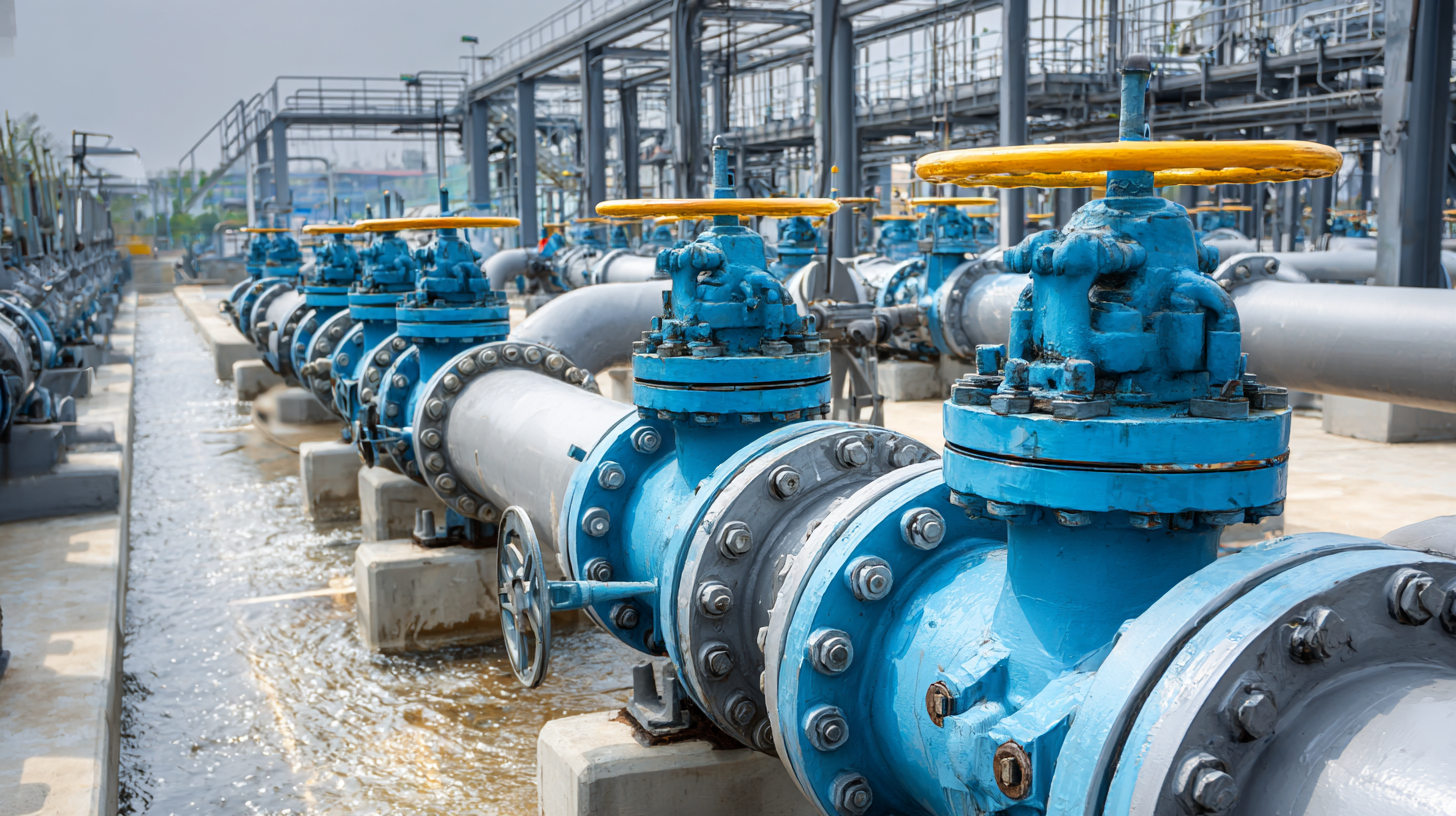
Moreover, according to industry reports, the U.S. cryogenic valve market is projected to grow at a CAGR of 6.3%, which underscores the increasing demand for high-performance valves in specialized applications. Such growth correlates with the industry's push towards optimizing systems for energy efficiency, as seen in innovative solutions that promise both comfort and performance in HVAC systems. Ensuring that ball valves are installed properly not only maximizes efficiency but also helps prevent potential leaks and system failures, thereby safeguarding operational integrity in various industrial settings.
How to Troubleshoot Common Ball Valve Issues
When it comes to maintaining optimal performance in modern industrial applications, ball valves are crucial components. However, these valves can encounter several common issues that can hinder their efficiency. According to a recent report by the Flow Control Magazine, over 30% of operational downtime in various industries is attributed to valve-related failures, with improper maintenance being a significant contributor. Identifying and troubleshooting common ball valve problems can mitigate these outages and enhance system reliability.
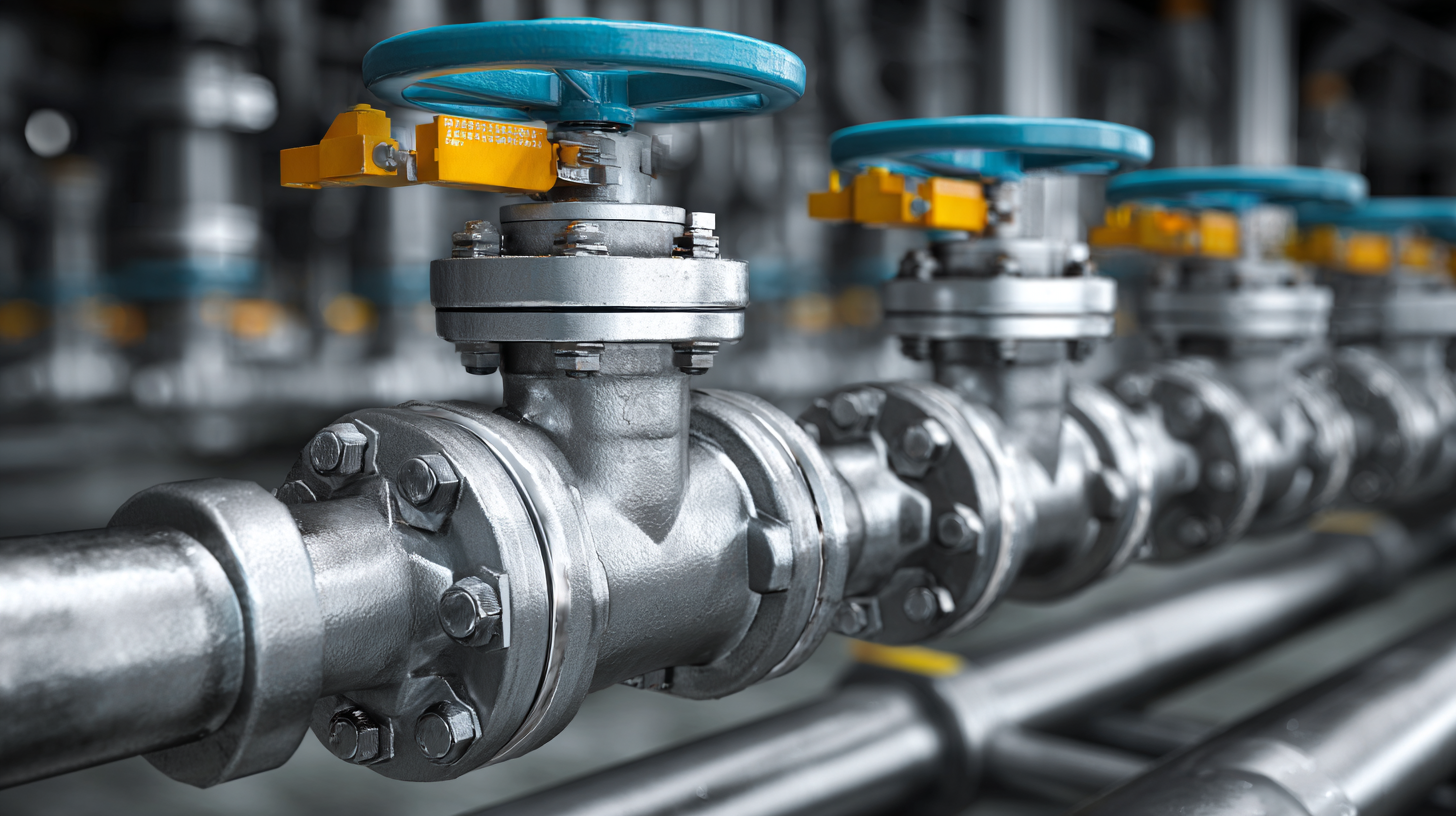
One prevalent issue is leakage, often due to wear and tear on seals or improper installation. Regular inspection and proper torque applications during installation can significantly reduce the risk of leakage. A study published in the Journal of Manufacturing Processes indicates that up to 15% of ball valve failures are linked to seal failure, emphasizing the need for routine maintenance checks. Another common problem is jamming, which often results from debris accumulation. Implementing a robust filtration system can prevent contaminants from entering the valve, thus prolonging its life and maintaining system performance. By addressing these typical pitfalls, industries can optimize their operations and minimize costly interruptions.
How to Compare Different Types of Ball Valves for Specific Applications
When comparing different types of ball valves for specific applications, it is crucial to consider several key factors that influence their performance and suitability. First, the material of the ball valve plays a significant role; options include stainless steel, brass, and plastic, each offering unique benefits in terms of durability, corrosion resistance, and temperature tolerance. For instance, stainless steel valves are ideal for high-pressure steam applications, while plastic valves are commonly used in corrosive environments where metal components may not be ideal.
Additionally, understanding the valve’s construction and design is essential for optimal application. Floating ball valves provide better sealing at lower pressures, while trunnion-mounted valves are more suitable for high-pressure and larger-diameter pipelines. Moreover, features like full-port and reduced-port designs affect flow rates and operational efficiency. Evaluating the specific needs of an industrial process, such as flow control, pressure requirements, and the nature of the fluid being transported, enables one to select the most appropriate ball valve type that ensures both reliability and efficiency in operation.
Understanding the Importance of Ball Valves in Modern Industrial Applications