How to Choose the Best Titanium Coffee Mug?
A good Titanium Coffee Mug should earn its place in your pack, not just look rugged in a product photo. Titanium is valued for its low weight and corrosion resistance, but those qualities alone do not guarantee a comfortable mug. Check the rim, handle, capacity, wall thickness, and stability on uneven ground. A thin cup may save space, yet feel hot in your hand; a narrow base can wobble beside a camp stove. Small details matter.
Industry data needs careful reading. The U.S. Geological Survey’s Mineral Commodity Summaries tracks titanium feedstock and supply, not the number or performance of titanium coffee mugs. That distinction matters: material-market figures cannot prove that one mug is safer, tougher, or better insulated than another. Compare product specifications and look for clear information about construction, weight, and care. If a brand makes a strong durability claim, ask what testing supports it. Simple advice, but easy to overlook.
One limitation deserves honesty: no source material or verifiable expert quotation was provided, so I cannot responsibly invent a named “Titanium Coffee Mug” specialist or attribute a sentence to one. Treat dramatic claims with caution. A mug can be beautifully made and still be the wrong fit for your daily routine. This guide focuses on practical trade-offs, helping you choose a cup that feels right in the hand and works where you actually drink coffee.
Understanding Titanium Coffee Mug Materials and Designs
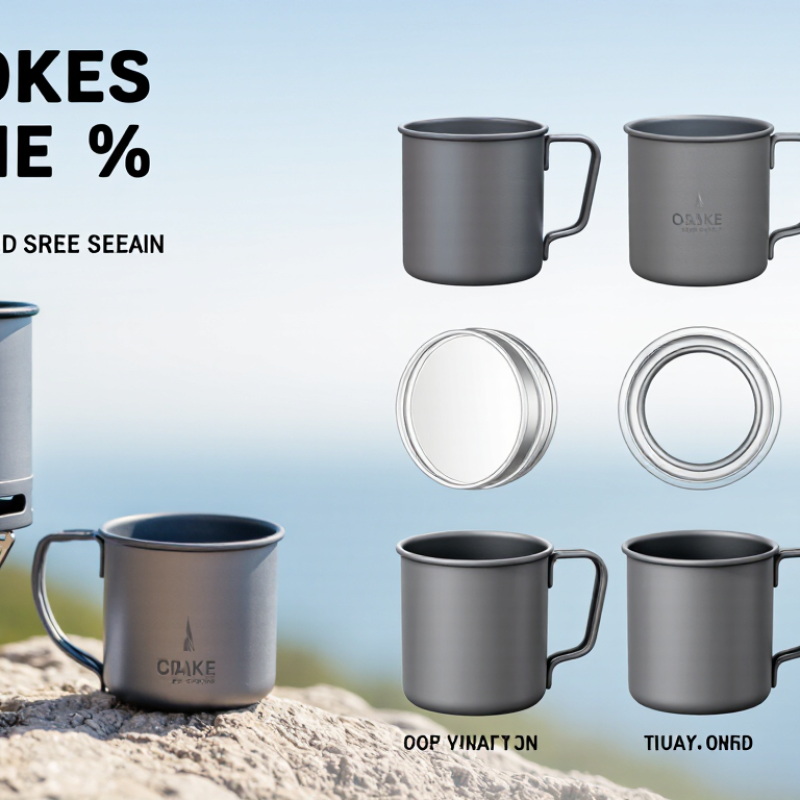
Titanium coffee mugs are valued for low weight and resistance to corrosion, but “titanium” can describe different constructions. A single-wall mug uses a thin sheet of metal and heats quickly. It is light in a backpack, yet hot coffee can make the rim uncomfortable. Double-wall designs create an insulating air gap. They usually feel safer to hold, though they take up more space and may cost more. Check whether the product information clearly states the construction and capacity.
The grade and finish also affect everyday use. Food-contact titanium is generally chosen for its stable, non-reactive surface, while a smooth interior is easier to rinse after coffee leaves a film. Look for rolled, even edges and a handle that does not wobble when the mug is full. A folding handle saves room, but its hinge can collect grime. Small detail. If possible, inspect how the lid fits; a loose lid may spill during a short walk, even if the mug looks sturdy.
Design choices involve trade-offs, not a perfect answer. A narrow mug packs neatly, but may be harder to clean by hand. A wide opening is easier to wash and lets coffee cool faster. That may be welcome at home, less so outdoors in cold weather. I would compare weight, wall type, and cleaning access before choosing. I have found that listed capacity can be optimistic when measured to the brim, so leave room for a careful sip.
Defining Your Intended Uses and Brewing Needs
Before choosing a titanium coffee mug, picture where you will use it. A mug for a day hike should be light, compact, and easy to secure in a pack. For a chilly campsite, a wider cup may feel steadier on uneven ground. Titanium resists rust and weighs little, but it does not keep coffee hot as long as many insulated mugs. That matters on slow mornings.
Think about how you brew. Pour-over coffee needs a mug with enough capacity for both brewing and drinking; check its volume against your usual serving. If you use a small camp stove, confirm the mug is designed for heating and has a stable base and a handle you can grip safely. Thin metal can heat quickly. A sleeve or insulated grip may help, though it adds bulk. Simple details count.
Also consider cleanup and daily habits. A smooth interior is easier to rinse after dark, while a narrow shape may be awkward to scrub. If you mostly drink coffee at a desk, a lightweight mug may offer little benefit over a sturdier cup. I once underestimated how quickly an uninsulated mug cooled my brew in windy weather. It was a useful reminder: choose for your real routine, not an idealized one.
Comparing Capacity, Weight, Shape, and Handle Options
How to Choose the Best Titanium Coffee Mug?
Capacity, weight, shape, and handle design matter more than a mug’s appearance. For a short coffee, a 250–350 ml cup leaves room for a splash of milk without feeling oversized. If you brew outdoors, check that the mug fits beneath your brewer and inside your pack’s side pocket. Titanium itself is light: the National Institute of Standards and Technology lists its density at about 4.5 g/cm³. Still, a mug’s rim, base, and handle add weight, so compare the finished product rather than judging by material alone. A narrow, tall shape packs neatly, but a wider opening makes stirring and cleaning easier.
Shape changes how a mug feels in use. A rounded rim can be more comfortable to sip from, while a stable, broad base is less likely to tip on uneven ground. Handles also involve trade-offs. Fixed handles feel familiar, but folding handles can save space; thin wire-style handles may feel sharp when the mug is full. Small details matter. I have found that advertised capacity can be less useful than the usable fill level, and that is easy to overlook.
Tips: Check capacity in millilitres, packed dimensions, and empty weight. Test whether the handle stays cool enough to hold; titanium can heat quickly, so a hot drink may make direct contact uncomfortable. If possible, inspect the grip with gloves on. A lighter mug is not always the better mug.
How to Choose the Best Titanium Coffee Mug? – Comparing Capacity, Weight, Shape, and Handle Options
| Mug Type | Typical Capacity | Typical Empty Weight | Shape and Stability | Handle Option | Best Suited To |
| Compact cup | 250–350 ml (8–12 fl oz) | About 35–65 g (1.2–2.3 oz) | Short, narrow profile; packs easily, but may be less stable on uneven ground. | Usually no handle or a small folding wire handle. | Solo hiking, ultralight kits, and small servings. |
| Everyday mug | 400–500 ml (14–17 fl oz) | About 50–90 g (1.8–3.2 oz) | Moderate height and base width; a practical balance of packability and stability. | Fixed loop handle or folding wire handles. | Daily coffee, camping, and general-purpose use. |
| Large mug | 600–750 ml (20–25 fl oz) | About 75–130 g (2.6–4.6 oz) | Taller or wider body; holds more liquid but takes up more room and can feel top-heavy when full. | A larger fixed handle is easier to grip; folding handles save packing space. | Long drinks, larger servings, and camp kitchens. |
| Wide, low-profile mug | 350–500 ml (12–17 fl oz) | About 55–100 g (1.9–3.5 oz) | Wider base can improve stability; the broad opening may let drinks lose heat faster. | Fixed or folding handle, depending on the design. | Use on uneven surfaces and easy access for stirring or cleaning. |
| Tapered, nesting mug | 400–600 ml (14–20 fl oz) | About 55–110 g (1.9–3.9 oz) | Narrower toward the base to fit inside compatible cookware; check dimensions before buying. | Folding wire handles are common on space-saving designs. | Backpacking sets and compact cookware kits. |
Selection note: Weight and capacity figures are typical ranges, not guaranteed specifications. Actual values vary with wall thickness, dimensions, rim design, and handle construction. Titanium conducts heat readily, so a single-wall mug can become hot to hold; use the handle carefully and check whether a lid is included.
Assessing Durability, Cleaning, and Heat Management
How to Choose the Best Titanium Coffee Mug?
A good Titanium Mug should handle daily knocks without feeling awkward in your hand. Check the rim and handle joins for rough edges or visible defects. Thin walls keep the mug light, but they may dent if squeezed or dropped onto stone. A simple test is to hold it with your usual amount of coffee inside. Does the handle feel steady? Titanium is generally corrosion-resistant, but that does not make every mug indestructible. I once assumed lighter meant better; on a windy campsite, a very light cup felt less stable than expected.
Cleaning matters, especially when coffee oils cling to the inside. A smooth, uncoated interior is usually easier to rinse than a textured one. Wash with warm water and mild dish soap, then dry it to avoid lingering odors or water spots. Check the maker’s care instructions before using abrasive pads, since scratches can make cleaning less convenient. Some drinks may leave a metallic taste for sensitive drinkers, so try the mug with water before relying on it for a long trip.
Tips: For heat management, remember that titanium transfers heat quickly. The drink can stay hot while the rim becomes uncomfortable, so take a cautious first sip. A lid may slow heat loss, but it will not insulate the mug like a double-wall design. Set it on a stable surface, and use a sleeve if you often carry hot coffee. Little detail, big difference.
Checking Safety, Price, and Product Quality Before Buying
Before buying, check what the mug is made of. A clear material specification is more useful than a vague “titanium” label. Look for documentation stating the titanium grade and confirming suitability for food contact. Inspect the inside closely: scratches, rough seams, or an unexplained coating deserve questions. A clean finish matters. If details are missing, I would pause rather than assume the mug is safe.
Price should match practical features, not just a premium-sounding material. Compare capacity, weight, lid design, and included accessories across similar mugs. A very light cup may suit backpacking, but thin walls can dent more easily. Check the return policy and warranty, too. Small print counts. I might pay more for a secure lid and smooth edges, but not for claims that cannot be verified.
Quality becomes clearer in the details. Does the handle feel stable when the mug is full? Is the rim comfortable, and does the lid fit without wobbling? Read reviews for repeated reports of leaks, sharp edges, or difficulty cleaning—not only star ratings. Remember that titanium transfers heat, so a hot drink can make the cup uncomfortable to hold. I still find that easy to overlook. Test the fit and finish in person when possible; online photos can hide rough edges.