What is a Graphite Lined Crucible and Its Benefits?
A Graphite Lined Crucible is an essential tool in metalworking and various industrial processes. Its unique design offers significant advantages over traditional materials. The graphite lining helps with temperature resistance and thermal conductivity. This results in improved performance when melting metals or holding molten materials.
The benefits of using a Graphite Lined Crucible are clear. For example, it can handle extreme temperatures without cracking. This durability is crucial for industries that rely on high-heat applications. Additionally, the non-stick surface makes it easier to work with different materials. However, it's important to consider the cost and maintenance of these crucibles.
Choosing the right crucible can be challenging. Not all graphite crucibles are created equal. You may face issues like wear over time and chemical reactions with certain metals. It’s essential to assess your specific needs before selecting a crucible. Understanding these factors will enhance your efficiency and cost-effectiveness in the long run.
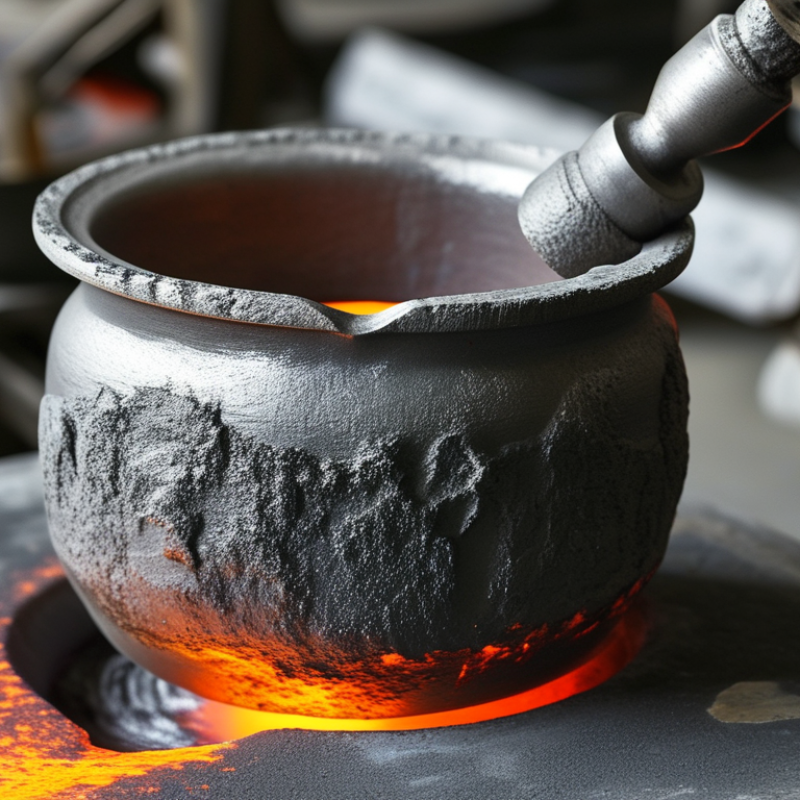
Definition of Graphite Lined Crucible and Its Composition
Graphite lined crucibles are essential tools in various industries, particularly for metallurgy and materials science. They are composed primarily of high-purity graphite, which ensures excellent thermal conductivity and resistance to thermal shock. This composition allows for efficient melting and holding of materials at high temperatures. Many industry reports indicate that the global market for graphite crucibles is expected to grow significantly, driven by the increasing demand for precision casting and recycling metals.
One of the critical benefits of graphite lined crucibles is their durability. They can withstand extreme temperatures without degrading. This durability reduces the need for frequent replacements, leading to cost savings. According to a 2022 market analysis, manufacturers have noted a 25% increase in the lifespan of graphite crucibles compared to traditional options. This longevity is an essential factor for industries aiming to optimize production efficiency.
Tips: Ensure proper care of your crucibles to maximize lifespan. Avoid abrupt temperature changes, which can lead to cracking. Regularly inspect the crucibles for signs of wear.
Graphite's unique properties provide a non-reactive surface, essential for melting sensitive materials. However, users should be aware that not all graphite crucibles are created equal. Variations exist in terms of purity and density, impacting performance. Research indicates that selecting the right type can lead to better process outcomes and reduced impurities in final products.
Tips: Always consult technical specifications when choosing a graphite crucible. An informed choice can make a significant difference in your processes.
Applications of Graphite Lined Crucibles in Industry
Graphite lined crucibles are essential in various industries. Their design allows for high-temperature melting and quick heat distribution. This makes them ideal for metal casting, jewelry making, and laboratory experiments. In metalworking, graphite-lined crucibles offer excellent thermal conductivity. They help in achieving precise temperatures quickly.
In the field of ceramics, these crucibles are used to melt and mix materials. Their resistance to thermal shock is crucial for maintaining product quality. Additionally, when working with reactive metals, graphite's non-reactive nature is a significant advantage. It prevents contamination, ensuring purity.
However, despite these benefits, there are challenges. The lifespan of graphite-lined crucibles may vary based on usage. Proper maintenance is required to maximize their effectiveness. Understanding the limitations is essential for users. This awareness can help in preventing costly errors. Overall, their application spans multiple sectors, showcasing their versatility in modern industry.
What is a Graphite Lined Crucible and Its Benefits? - Applications of Graphite Lined Crucibles in Industry
| Application Area | Benefits | Typical Temperature Range (°C) |
| Metal Casting | Excellent thermal conductivity and high thermal stability. | 1000 - 2000 |
| Ceramics Production | Resistance to chemical corrosion and low thermal expansion. | 800 - 1600 |
| Laboratory Use | Versatile for various high-temperature experiments. | 500 - 1500 |
| Aerospace Applications | High performance under extreme conditions. | 1000 - 2500 |
| Research and Development | Allows for innovative material testing at high temperatures. | 600 - 1800 |
Advantages of Using Graphite Lined Crucibles Over Traditional Materials
Graphite lined crucibles have become increasingly popular due to their unique advantages. One significant benefit is their high thermal conductivity. This property allows for even heat distribution, which is crucial during metal melting processes. Traditional materials often struggle with heat transfer, resulting in uneven heating and potential defects in the final product. Crafting items from molten metals requires precision and control.
Another advantage is resistance to thermal shock. Graphite lined crucibles handle sudden temperature changes much better than conventional materials. This resilience reduces the risk of cracking or breaking under extreme conditions. Many users appreciate this durability, but it also poses a challenge. Not every heating method is compatible with these crucibles. Users need to adapt their practices, which may require additional training or investment.
Additionally, graphite's non-wettability with many metals aids in easier removal of casted pieces. However, this feature can lead to misconceptions about the necessity for proper coatings or treatments to ensure optimal performance. Users must stay informed and perform careful maintenance to fully leverage the benefits. Each decision has trade-offs that need reflection and adjustment.
How to Properly Maintain Graphite Lined Crucibles
Maintaining a graphite lined crucible is essential for optimal performance. Regular checks for cracks or wear and tear are crucial. Addressing these issues early prevents further damage. Proper handling is key; always lift the crucible using gloves to avoid unnecessary stress.
Cleaning is another important aspect. After each use, allow the crucible to cool naturally. Avoid sudden temperature changes, as they can cause fractures. Gently wipe the inside with a soft cloth to remove residues. Harsh cleaners can damage the graphite lining, so stick to mild options.
Storage matters too. Store the crucible in a dry, stable environment. Avoid placing heavy items on top of it, as this can lead to deformities. Reflecting on your maintenance routine can improve longevity. Regularly update your practices based on observations. Don't overlook minor signs of wear; they may lead to major problems down the line.
Benefits of Using Graphite Lined Crucibles
Common Limitations and Challenges of Graphite Lined Crucibles
Graphite lined crucibles offer many advantages, including excellent thermal conductivity and resistance to thermal shock. However, they also come with limitations that require consideration. One significant challenge is their brittleness. High temperatures can cause cracking if not handled properly. Users must exercise caution when heating and cooling these crucibles.
Another limitation is their susceptibility to chemical reactivity. Some molten metals can react negatively with graphite. This can lead to contamination or reduced crucible lifespan. It's essential to choose the right applications for graphite lined crucibles to avoid these issues.
Tip: Always inspect crucibles for cracks before use. This can save time and material costs.
Temperature control is vital. Uneven heating can build stress in the material. This stress can lead to failures in critical processes. Selecting a proper heating method and uniform heating can mitigate this risk.
Tip: Use protective gear when handling molten materials. Safety should always be a priority.