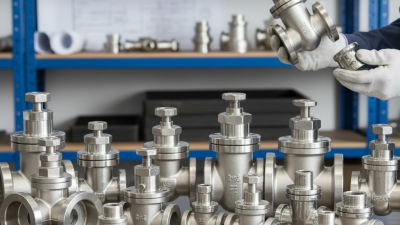
10 Essential Tips for Choosing Stainless Steel Valves and Fittings?
Choosing the right stainless steel valves and fittings is crucial for any project. With so many options available, the decision can feel overwhelming. It's essential to understand their applications and benefits. Stainless steel valves and fittings offer durability, corrosion resistance, and longevity. These qualities make them perfect for various industries, including plumbing, pharmaceuticals, and food processing.
However, not all stainless steel products are created equal. You need to consider factors like material grade, size, and compatibility with your system. Many buyers make mistakes by overlooking these details. Evaluating your specific needs can lead to better choices. With the right approach, you can avoid costly errors and ensure the efficiency of your systems.
Ultimately, investing time in selecting stainless steel valves and fittings pays off. Quality products enhance performance and reliability. Keep your project requirements in mind and consult experts when necessary. Quality does matter, and sometimes it’s worth spending a little more for reliability. Decisions that align with practical needs lead to successful outcomes.
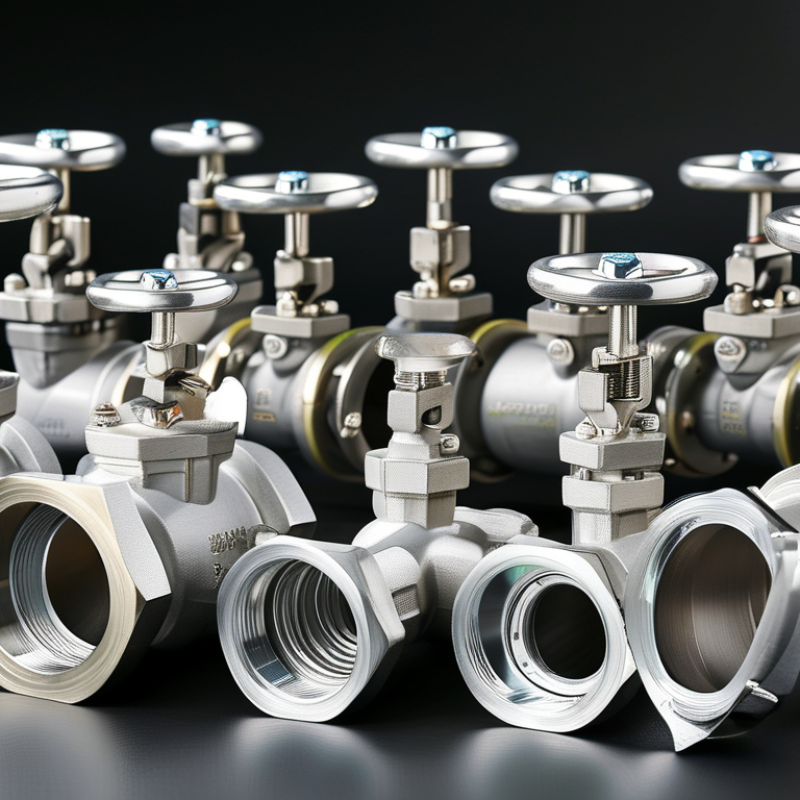
Factors to Consider When Selecting Stainless Steel Valves
When selecting stainless steel valves, several factors play a critical role in ensuring optimal performance. One important consideration is the grade of stainless steel. According to industry standards, 304 and 316 grades are the most commonly used. The choice may depend on the application and exposure to corrosive environments. For example, 316 stainless steel is often preferred in marine applications due to its superior corrosion resistance.
Another essential factor is the valve type. Different applications demand unique functionalities. Ball valves offer tight sealing and durability, while gate valves are ideal for on/off control. Understanding your system's requirements can markedly influence your choice. Professionals recommend assessing pressure and temperature ratings, as specified by organizations like the American National Standards Institute (ANSI). Stay within these limits to avoid premature failure.
Tips for selecting the right stainless steel fittings include evaluating the connection types. Welded, threaded, and flanged connections each have distinctive advantages. A poorly chosen connection can lead to leaks or structural failures. Additionally, always consider the environment in which the fittings will be used. Extreme temperatures or exposure to chemicals necessitate specialized materials. A detailed understanding of these elements can lead to more informed decisions, potentially saving time and costs in the long run.
Understanding Different Stainless Steel Grades and Alloys
Stainless steel valves and fittings come in various grades and alloys. Each offers unique properties suitable for different environments. Understanding these differences is essential for making informed choices. The most common grades include 304 and 316, both of which have distinct corrosion resistance and strength characteristics.
Grade 304 is versatile and commonly used, offering good corrosion resistance. It is an excellent choice for many applications. However, for more demanding environments, grade 316 is often preferred. It contains molybdenum, enhancing its resistance to pitting and crevice corrosion. According to industry reports, 316 valves are particularly effective in marine and chemical processing applications.
When selecting stainless steel valves, the environment plays a critical role. Factors such as temperature, pressure, and exposure to chemicals must be considered. Often, assumptions about durability can lead to poor choices. Data indicates that nearly 30% of failures in industrial applications result from inadequate material selection. This underlines the necessity for thorough research and reframing of expectations regarding performance and longevity in the field.
Key Features to Look for in Valves and Fittings
When selecting stainless steel valves and fittings, focus on key features that enhance performance and durability. First, consider materials. Look for grades like 304 and 316, which resist corrosion. Their chemical stability is essential in various environments. In high-temperature settings, ensure the chosen materials can withstand heat without deforming.
Another critical aspect is the design. Opt for valves with a smooth flow path. This reduces turbulence and pressure drops, improving efficiency. Compact designs can save space and simplify installation. Examine the sealing mechanisms, too. Quality seals prevent leaks and enhance reliability over time. Pay attention to certifications as well. Compliance with industry standards indicates that products have undergone rigorous testing.
It's vital to assess manufacturing processes, too. Poor craftsmanship can lead to unexpected failures. Research suppliers and their reputations. Look for customer feedback on durability and service. Even after thorough research, remember that no product is perfect. Regular maintenance is necessary to ensure longevity. Be prepared for occasional adjustments to keep your system running smoothly.
10 Essential Tips for Choosing Stainless Steel Valves and Fittings
| Feature |
Description |
Importance |
| Material Grade |
Look for valves made from high-quality stainless steel, such as 304 or 316. |
Ensures durability and resistance to corrosion. |
| Pressure Rating |
Check the pressure capacity to match the application requirements. |
Prevents failure under extreme conditions. |
| Temperature Range |
Consider the temperature limitations of the valve or fitting. |
Critical for applications involving heat or cold. |
| Sealing Mechanism |
Evaluate the type of seals and gaskets used. |
Impacts leak prevention and maintenance frequency. |
| End Connections |
Select appropriate end connections (threaded, flanged, etc.). |
Ensures compatibility with existing piping systems. |
| Size and Dimensions |
Accurately measure the size required for your system. |
Incorrect sizing can lead to installation issues. |
| Regulatory Compliance |
Ensure the fittings meet industry standards. |
Guarantees safety and reliability in applications. |
| Maintenance |
Consider how easy the valve or fitting is to maintain. |
Reduces downtime and operational costs. |
| Warranty and Support |
Check if the manufacturer offers a warranty. |
Provides assurance of product quality. |
Importance of Pressure and Temperature Ratings
When selecting stainless steel valves and fittings, understanding pressure and temperature ratings is crucial. These ratings determine how well a component can perform under specific conditions. According to industry reports, approximately 30% of valve failures are attributed to incorrect ratings. This underlines the need for careful evaluation before purchasing.
High-pressure applications demand fittings rated appropriately to handle force without failure. For instance, valves used in petrochemical industries often require a minimum pressure rating of 316 psi. Similarly, temperature ratings are equally important. Stainless steel can lose its strength at elevated temperatures, affecting reliability. A recent study indicated that over 20% of installations failed due to inadequate temperature assessments.
It's essential to consider the environment where these valves will be used. Excessive heat or cold can lead to material degradation. Also, not all stainless steel grades perform similarly under extreme conditions. The AISI 304 grade might suit some applications but not all, especially where higher stress is involved. Thus, referencing spec sheets and consulting with industry experts is vital for making informed decisions.
Tips for Evaluating Manufacturers and Suppliers
When evaluating manufacturers and suppliers for stainless steel valves and fittings, begin by checking their industry experience. A company with years in the field often has valuable insights. Look for evidence of projects they've completed. This can showcase their capability to meet specific requirements.
Next, inspect their quality certifications. Reliable manufacturers will have certifications that adhere to industry standards. Don't hesitate to ask for documentation. This step can prevent potential issues. Customer reviews are also a helpful resource. They can reveal strengths and weaknesses not apparent in marketing materials.
Finally, assess their customer support. A responsive team reflects their commitment to service. Fast replies to inquiries indicate they value customer relationships. Consider visiting their facility if possible. This can provide deeper insights into their operations and ethos. Remember, a well-chosen supplier can make a significant difference in your projects.