10 Essential Tips for Choosing the Right Gate Fittings for Your Home
When it comes to enhancing the security and aesthetic appeal of your home, the choice of gate fittings plays a pivotal role. Selecting the right gate fittings not only ensures the functionality of your entrance but also reflects your personal style and complements your home's architecture. From hinges and locks to latches and handles, these components are essential for creating a welcoming and secure boundary around your property.
In this guide, we will explore ten essential tips to help you navigate the myriad of options available for gate fittings. Whether you're opting for a classic design or a modern flair, understanding the materials, styles, and installation requirements will empower you to make informed decisions. Proper gate fittings can significantly impact the durability and operation of your gate, thus making it crucial to consider factors such as weather resistance, maintenance, and compatibility with your specific gate design.
By the end of this article, you will be equipped with valuable insights to confidently choose the best gate fittings that meet your needs, ensuring a harmonious blend of functionality, safety, and style for your home.
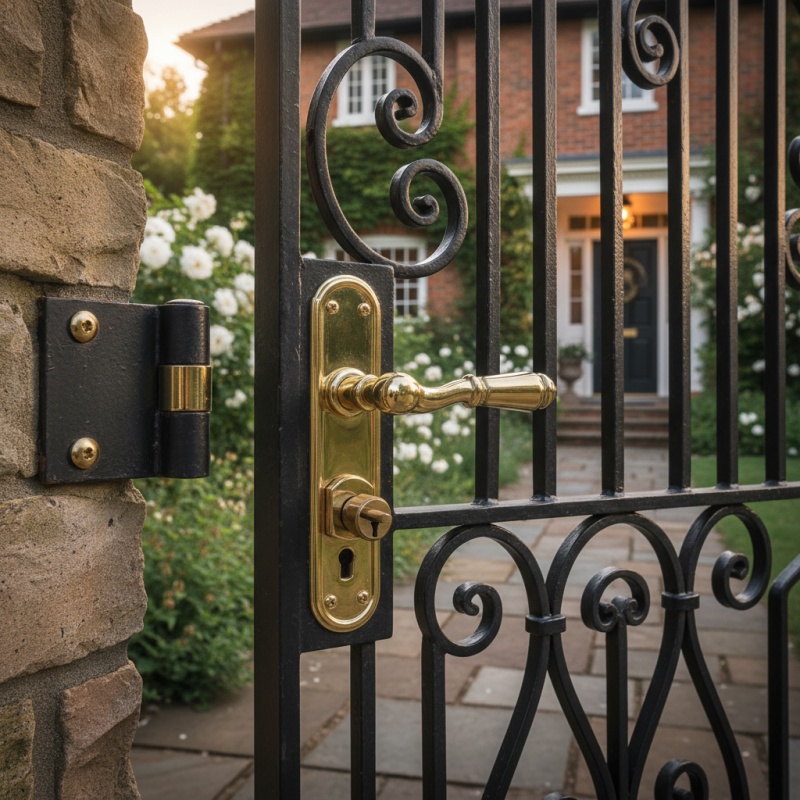
Understanding Different Types of Gate Fittings Available on the Market
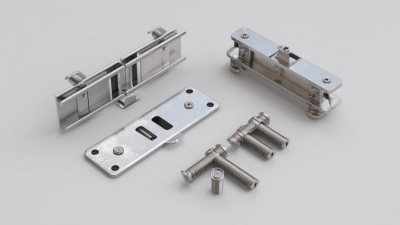
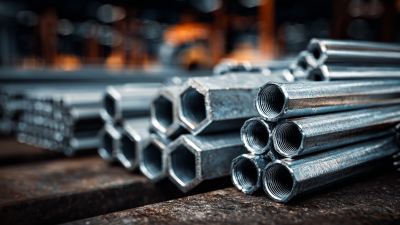
When selecting gate fittings for your home, it's crucial to understand the variety of options available on the market. Gate fittings can significantly affect both the functionality and aesthetic appeal of your entryway. There are several types commonly used, including hinges, latches, locks, and decorative elements. Each of these fittings comes in different materials such as stainless steel, wrought iron, and plastic, impacting their durability and maintenance needs.
Hinges, for instance, can be heavy-duty or light, depending on the weight of the gate, while latches come in various designs like slide bolts or automatic latches, catering to different security preferences. Locks can also vary, from simple padlocks to more sophisticated locking mechanisms that provide enhanced security. Additionally, decorative fittings, such as finials or knuckle hinges, can add a touch of style, allowing homeowners to customize their gates according to architectural themes. Understanding these various types will help you make an informed decision that complements your home’s design while ensuring practicality and safety.
10 Essential Tips for Choosing the Right Gate Fittings for Your Home
| Tip No. |
Tip |
Type of Fitting |
Material Options |
Price Range |
| 1 |
Assess the purpose of the gate |
Swing Hinges |
Aluminum, Stainless Steel |
$15 - $30 |
| 2 |
Choose the right size fittings |
Latch and Lock Systems |
Brass, Zinc Alloy |
$10 - $25 |
| 3 |
Consider the design aesthetics |
Gate Stopper |
Plastic, Steel |
$5 - $15 |
| 4 |
Evaluate maintenance requirements |
Self-Closing Hinges |
Nylon, Aluminum |
$20 - $40 |
| 5 |
Check durability and weather resistance |
Gate Braces |
Steel, Treated Wood |
$10 - $30 |
| 6 |
Consider the type of gate |
Fencing Clips |
Vinyl, Steel |
$5 - $12 |
| 7 |
Plan for security features |
Electronic Gate Opener |
Metal, Plastic |
$100 - $300 |
| 8 |
Ensure ease of installation |
Hinge Pins |
Steel, Brass |
$2 - $8 |
| 9 |
Decide on a finish and coating |
Gate Handle |
Plastic, Metal |
$5 - $20 |
| 10 |
Research customer reviews |
Gate Stop |
Metal, Composite |
$10 - $25 |
Factors to Consider When Selecting Gate Fittings for Your Specific Needs
When selecting gate fittings for your home, several factors should be taken into account to ensure that they meet your specific needs. Firstly, consider the material of the gate fittings. Depending on your local climate and exposure to elements, materials such as stainless steel, aluminum, or galvanized steel may be more suitable. Stainless steel offers excellent corrosion resistance, making it ideal for coastal areas, while aluminum is lightweight and rust-resistant.
Secondly, factor in the security features of the fittings. Different gate designs may require various locking mechanisms or reinforcement options to ensure safety. Evaluate your security needs based on the location of the gate and the level of foot traffic in your area. Additionally, the type of gate you have or intend to install will influence the fittings you choose. For instance, a sliding gate may require different roller assemblies compared to a swing gate, each necessitating a compatible fitting for smooth operation.
Lastly, aesthetic appeal should not be overlooked. The style of your gate fittings should complement your home's exterior. There is a wide range of designs available, from modern to traditional, which can enhance your property's overall appearance. By carefully considering these factors, you can select gate fittings that offer both functionality and style, tailored to your personal needs and preferences.
The Importance of Material Quality in Gate Fittings Selection
When selecting gate fittings for your home, the quality of material is paramount. According to a report from the National Association of Home Builders, nearly 70% of homeowners consider durability and material quality as the top criteria while choosing outdoor fixtures. High-quality materials not only enhance the aesthetic appeal but also ensure longevity and resilience against harsh weather conditions. For instance, stainless steel and aluminum, which boast excellent corrosion resistance, are increasingly favored for their low maintenance requirements and lasting performance.
Moreover, a study by the American Architectural Manufacturers Association highlights that inferior materials in gate fittings can lead to frequent replacements and repairs, elevating overall costs. For instance, gates fitted with low-quality hardware may fail prematurely due to wear and tear, resulting in a significant upsurge in maintenance expenses. It is estimated that homeowners could save up to 30% on long-term costs by investing in higher quality materials upfront. Thus, prioritizing material quality not only safeguards your initial investment but also enhances the functional and aesthetic value of your home’s exterior.
How to Match Gate Fittings with Your Home’s Architectural Style
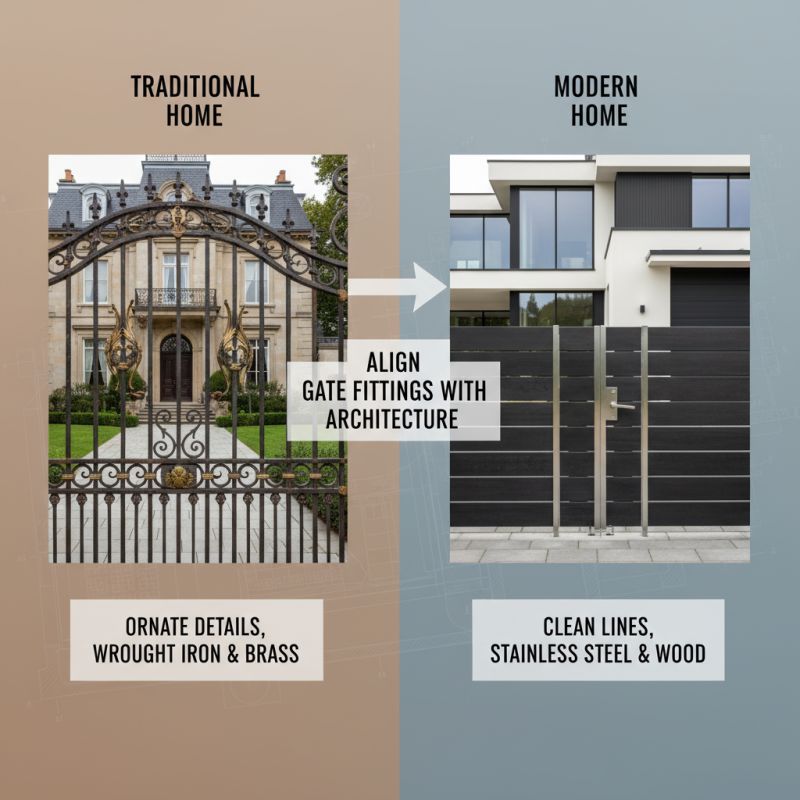
When selecting gate fittings for your home, aligning their design with your home’s architectural style is crucial. For instance, if you have a traditional home with ornate details, consider opting for gate fittings that feature intricate designs and classic finishes like wrought iron or brass. These elements not only enhance the aesthetic appeal but also create a sense of harmony between the gate and the overall architectural theme.
On the other hand, for modern homes characterized by clean lines and minimalist features, sleek and simple fittings in materials like stainless steel or matte black can provide a stunning contrast. The goal is to ensure that the fittings complement the architectural style without overwhelming it. By carefully considering the shape, color, and material of your gate fittings, you can create a cohesive look that accentuates the beauty of your home while also maintaining its functional aspects.
Maintenance Tips for Ensuring Longevity of Gate Fittings
Regular maintenance is crucial for ensuring the longevity of gate fittings, as it directly impacts their functionality and appearance. One of the first steps in maintaining your gate fittings is to regularly inspect them for signs of wear or damage. Look for rust, loose screws, or misalignments that could affect performance. Cleaning the fittings with a suitable solution helps remove dirt and debris that can lead to corrosion or other forms of deterioration over time. A simple wipe down with a cloth after a rain can prevent moisture build-up and extend the life of the materials.
Lubrication also plays a key role in maintenance. Using an appropriate lubricant on hinges and locks can prevent them from seizing up or becoming noisy. It’s advisable to check and reapply lubricant at least once a year, or more frequently in areas with harsh weather conditions. Additionally, ensure that fittings are tightened properly, as loose components can lead to more significant damage. By following these maintenance tips, homeowners can keep their gate fittings in excellent condition, ensuring they remain both functional and visually appealing for years to come.
Essential Tips for Choosing the Right Gate Fittings
The chart above shows the importance ratings of various factors to consider when choosing gate fittings for your home. Each factor is rated on a scale from 1 to 10, helping homeowners prioritize their choices for optimal gate functionality and longevity.