Top Car Connector Types You Need to Know About?
In the rapidly evolving automotive industry, understanding Car connectors is essential for both manufacturers and consumers. Dr. Emily Carter, a leading expert in automotive electronics, states, "Car connectors are the backbone of vehicle functionality." This emphasizes the importance of these components in modern cars.
Car connectors impact everything from electrical systems to communication networks. They ensure smooth operation of critical features like safety systems and infotainment. As vehicles become more sophisticated, so do the demands on car connectors. The variety of connector types available presents both opportunities and challenges.
While some connectors are designed for durability, others prioritize weight reduction. However, many may overlook the specific requirements of their vehicle's design. The wrong connector can lead to performance issues or failures. It's crucial to stay informed about the latest connector technologies and best practices. Understanding the nuances of car connectors today is key for future advancements in the automotive sector.
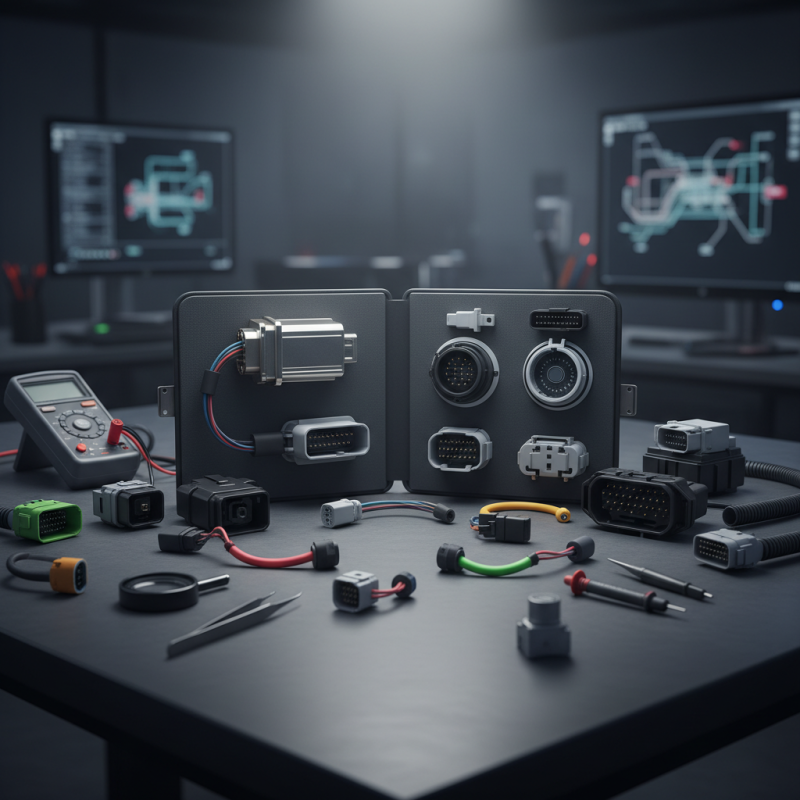
Overview of Car Connector Types and Their Functions
Car connectors play a vital role in vehicle functionality. Understanding their types is essential for vehicle maintenance and repair. Each type serves a unique purpose, ensuring critical systems work seamlessly. Harness connectors, for instance, link various electrical systems, allowing signals to transmit efficiently. These connectors must be durable, as they are often exposed to harsh conditions.
Another crucial type is the power connector. This type supplies power to essential vehicle components like the battery and alternator. Proper connections are vital for performance. Poor connections can lead to energy loss, resulting in electrical failures. Additionally, signal connectors transmit data between modules. A malfunction here can disrupt communication across systems.
**Tips:** Regularly inspect connectors for wear. Look for signs of fraying or corrosion. Tighten loose connections to ensure reliability. Always use appropriate tools for tightening connectors. This can prevent damage and enhance durability. Understanding these connectors' functions can empower car owners.
Top Car Connector Types You Need to Know About
| Connector Type | Function | Common Applications |
| Oxygen Sensor Connector | Transfers signals from the oxygen sensor to the ECU. | Fuel management systems |
| Headlight Connector | Connects the headlight assembly to the vehicle's electrical system. | Lighting systems |
| Fuel Injector Connector | Delivers electrical signals to the fuel injectors. | Engine systems |
| ABS Sensor Connector | Transmits data from the ABS sensors to the control module. | Anti-lock brake systems |
| Battery Connector | Connects the vehicle battery to the electrical system. | Power distribution |
Key Features of Common Automotive Connector Types
When exploring automotive connectors, understanding their key features is essential. Each connector type serves a specific purpose and is designed to withstand certain conditions. For instance, weather-pack connectors are known for their moisture resistance. They ensure reliable connections in harsh environments.
Different connectors have varying pin configurations. Some connectors feature a simple two-pin layout, ideal for basic applications. Others come with multiple pins, allowing for complex connections. This versatility is crucial in modern vehicles, where numerous electronic systems rely on effective communication.
Tips for choosing the right connector: always consider the environment the connector will operate in. Heat, moisture, and vibration can impact its performance. Additionally, pay attention to the locking mechanism. A secure connection can prevent malfunctions due to loose connections.
Keep in mind, not all connectors are created equal. Some may be too bulky for specific installations, affecting the overall design. It's essential to analyze each situation and choose connectors that offer both reliability and space efficiency.
Top Car Connector Types You Need to Know About
This chart illustrates the number of applications for various automotive connector types, highlighting the importance of understanding different connector features in modern automotive design.
Comparative Analysis of Electrical Connection Standards
When discussing car connectors, it's important to recognize that standards vary widely across the automotive industry. Some connectors serve specific functions, while others are designed for multiple applications. For instance, while the ISO 10487 standard is widely accepted, its implementation can differ from one vehicle manufacturer to another. This can lead to confusion and compatibility issues in repairs and modifications.
Moreover, connectors like the Kettering or Packard are well-established but not without their flaws. Over time, they can suffer from corrosion or poor contact. This is often overlooked until a malfunction occurs. Regular inspection and maintenance become essential for optimal performance, yet many neglect this aspect, leading to potential failures in electrical systems.
Understanding these standards can improve your experience with automotive electronics. However, grappling with the variances can be challenging. What's consistent across many vehicles is that a deeper awareness of electrical connections aids in troubleshooting. Yet, it is apparent that many in the industry lack thorough knowledge about the implications of connector types. This gap emphasizes the need for continued education and resource sharing in automotive electrical systems.
Applications of Car Connectors in Modern Vehicles
Modern vehicles rely heavily on a variety of car connectors for their functionality. These connectors serve as essential components for electrical and electronic systems. From powering the entertainment systems to facilitating communication between various parts, connectors ensure everything runs smoothly. They play a crucial role in safety features as well.
Many automotive connectors, such as circular or rectangular types, are used in different applications. For example, high-voltage connectors are critical in electric vehicles. They connect batteries to motors and charging systems. Other connectors link sensors to control units, enabling advanced safety features like automatic braking.
Tips: Always check connector compatibility when upgrading systems. Misalignment can lead to failures. Regular maintenance is also essential. Inspect connectors for wear and tear, especially in harsh conditions.
Investing in quality connectors pays off. Low-quality alternatives may seem economical, but they can lead to safety hazards. Stay informed about connector types and their specific uses. Understanding these components enhances vehicle reliability and safety.
Emerging Trends in Automotive Connector Technology
The automotive industry is evolving rapidly, with connectors playing a critical role in this transformation. Emerging trends highlight the shift toward higher data transmission rates and the integration of advanced features. As vehicles become more connected, the demand for innovative connector technologies rises. This increases efficiency and enhances overall vehicle performance.
One significant trend involves the miniaturization of connectors. Smaller connectors can save space and reduce weight, improving fuel efficiency. However, smaller sizes can present challenges in heat dissipation and durability, necessitating careful design considerations. Additionally, developments in materials science have introduced new, robust materials that withstand extreme conditions. These advancements also raise questions about long-term reliability and environmental impacts.
Wireless technology is another front in connector innovation. Wireless solutions reduce the need for physical connectors, yet they might compromise speed and reliability. Balancing wireless convenience and wired performance presents ongoing challenges. These advancements signal a need for ongoing research into safer and more efficient technologies. Addressing potential pitfalls early in development will be crucial as the industry pushes forward.