What is Diffractive Film and How Can it Benefit Your Business?
Diffractive Film is transforming various industries through innovative applications. This technology utilizes microscopic structures to manipulate light, creating vibrant colors and patterns. According to a recent market report by Grand View Research, the global diffractive film market is expected to reach $1.1 billion by 2026, growing steadily at a CAGR of 9.5%. This significant growth highlights the technology's rising importance in packaging, display, and security.
Dr. Emily Carter, a leading expert in optical materials, emphasizes the advantages of Diffractive Film: "This technology not only enhances aesthetic appeal but also improves product differentiation in highly competitive markets." Businesses incorporating diffractive films can witness increased consumer engagement. This leads to better brand recall and ultimately drives sales.
However, not all applications are flawless. Companies must consider the cost implications of integrating this technology. There may also be challenges in achieving the desired quality and functionality in diverse use cases. As this market evolves, businesses should reflect on these factors to fully leverage the benefits of Diffractive Film. Companies that adapt and innovate could emerge as leaders in their sectors.
What is Diffractive Film? An Overview of the Technology
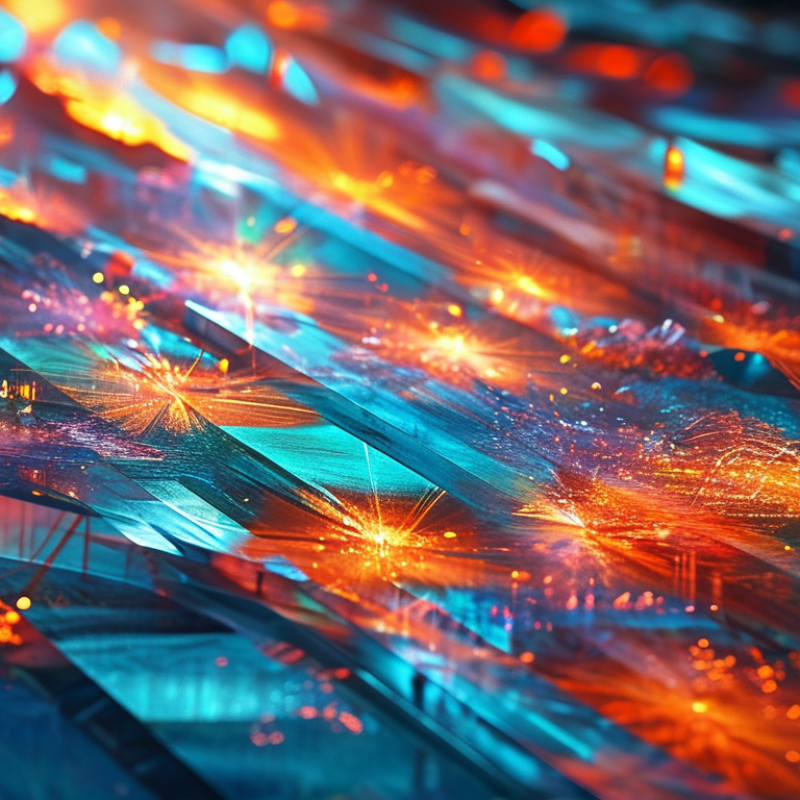
Diffractive film is a fascinating technology that manipulates light to produce vivid colors and dynamic visual effects. This technology is based on the principle of diffraction, where light waves bend around obstacles, creating unique visual experiences. In recent years, diffractive films have been gaining traction in various sectors, from advertising to packaging, due to their ability to enhance product presentation and consumer engagement.
According to a market research report by Smithers Pira, the global diffractive optics market is projected to grow by 22.5% annually. This growth highlights the increasing interest in advanced optical technologies across industries. Businesses embracing diffractive films can create eye-catching displays that stand out in crowded marketplaces. The ability of these films to display multiple colors and patterns can evoke emotional responses, leading to higher customer retention.
Consider using diffractive film in your marketing strategies. It can bring a tactile quality to products, enhancing consumer interaction. Such films can also help differentiate your brand from competitors. Additionally, be mindful of installation and lighting conditions, as improper setups can reduce their effectiveness. Testing various applications can yield insights for optimizing use.
The Science Behind Diffractive Film and Its Unique Properties
Diffractive film employs advanced optical technology to manipulate light in unique ways. This film showcases intricate microstructures, allowing precise control over light's path. According to industry reports, diffractive optics can improve product visibility by up to 30%, making them ideal for advertising and packaging. This enhancement is particularly valuable for businesses in competitive markets.
Businesses using diffractive film can elevate their branding strategies. The vibrant colors and captivating visual effects created by this technology engage customers' attention quickly. Recent studies indicate that consumer retention increases when products feature eye-catching designs. However, ensure your applications balance aesthetics with functionality to avoid overwhelming users.
Consider incorporating diffractive film into packaging or displays. Think about how these visual elements will affect customer perception. Aim for clarity amidst complexity. With careful design, you can leverage the film's unique properties to create memorable experiences. In an era where branding is key, diffractive film can be an essential tool for standing out.
Applications of Diffractive Film in Various Industries
Diffractive film is revolutionizing multiple industries with its unique capabilities. In packaging, companies are leveraging diffractive film to enhance brand visibility. According to a report by Smithers Pira, the global market for packaging will reach approximately $500 billion by 2025. Products with diffractive film packaging can stand out on crowded shelves, increasing consumer engagement.
In the electronics sector, diffractive films are used to create advanced displays. These films facilitate thinner screens and lower power consumption. A study by MarketsandMarkets projects the global display market to surpass $200 billion by 2024. Industries are racing to adopt these innovations to improve product quality and performance, but challenges remain in cost and manufacturing.
The automotive sector also benefits from diffractive films in lighting applications. These films can enhance illumination while reducing energy use. However, integration into existing designs poses technical hurdles. Addressing these issues is vital to fully exploit the potential benefits. As companies navigate these complexities, staying informed about advancements in diffractive film technology is crucial.
Applications of Diffractive Film in Various Industries
How Diffractive Film Can Enhance Business Branding and Marketing
Diffractive film is a fascinating tool for modern branding. It uses microstructures to create stunning visual effects. This innovative material can capture attention in a crowded marketplace. When applied to packaging, it transforms ordinary products into captivating displays.
With diffractive film, marketing pieces stand out significantly. Think of vibrant colors and intricate patterns that dance in light. This dynamic effect draws customers in and encourages engagement. Brands can convey messages creatively, making their identity memorable.
However, implementing diffractive film requires careful thought and design. One must consider how it aligns with brand values. Not all products suit this approach, and cost is a factor. Companies need to assess their target audience and how they will respond. Finding this balance is essential for successful branding.
Benefits of Incorporating Diffractive Film in Product Design and Packaging
Diffractive film is gaining traction in product design and packaging. This innovative material creates unique visual effects through light manipulation. Using diffractive film can significantly enhance a product's appeal, making it stand out on shelves. According to a recent industry report, products utilizing advanced packaging materials can see an increase in sales by up to 30%.
Incorporating diffractive film offers tangible benefits for brand recognition. Consumers are drawn to visually striking designs, and diffractive effects can evoke curiosity. A survey revealed that 70% of consumers prefer products with distinct visual elements. This emphasizes the importance of appealing packaging in consumer decision-making. Additionally, the use of diffractive film can suggest higher quality, potentially justifying premium pricing.
However, challenges exist. The production costs associated with diffractive films can be higher than conventional packaging. Brands must weigh the costs against potential sales increases. Not every product may benefit from this approach. Understanding the target audience and market trends is essential for effective implementation.
What is Diffractive Film and How Can it Benefit Your Business?
| Application | Benefit | Impact on Design | Cost Implications |
| Product Packaging | Enhanced Visual Appeal | Attraction of Consumers | Moderate Increase |
| Advertising Materials | Unique Branding | Stand Out from Competition | Higher Initial Costs |
| Consumer Electronics | Improved User Experience | Enhanced Interaction | Possible Cost Reduction Over Time |
| Luxury Items | Perceived Value Increase | Attract High-End Consumers | Justified Premium Pricing |
| Safety and Security Features | Anti-Counterfeit Measures | Increased Trust | Minimal Additional Cost |