Cnc Electric Tube Bender Buying Guide for Global Buyers
In the evolving landscape of manufacturing, the demand for precision and efficiency is paramount. Experts emphasize the significance of a reliable Cnc Electric Tube Bender in achieving these goals. John Smith, a leading expert in industrial machinery, states, “Investing in the right Cnc Electric Tube Bender can enhance productivity while ensuring quality.”
Understanding which Cnc Electric Tube Bender to choose is crucial for global buyers. Each option varies in capabilities and features. Buyers must consider a machine’s versatility and ease of use. Some machines excel in bending complex geometries, while others may focus on mass production efficiency.
However, not all products in the market meet expectations. It's essential to research and reflect on one's specific needs. Reliability in sourcing can be a challenge, leading to potential regrets later. Assessing performance reviews and seeking advice from industry leaders can guide buyers toward informed decisions. Ultimately, the right Cnc Electric Tube Bender can make a significant difference in the manufacturing process.
Understanding CNC Electric Tube Benders: Key Features and Technologies
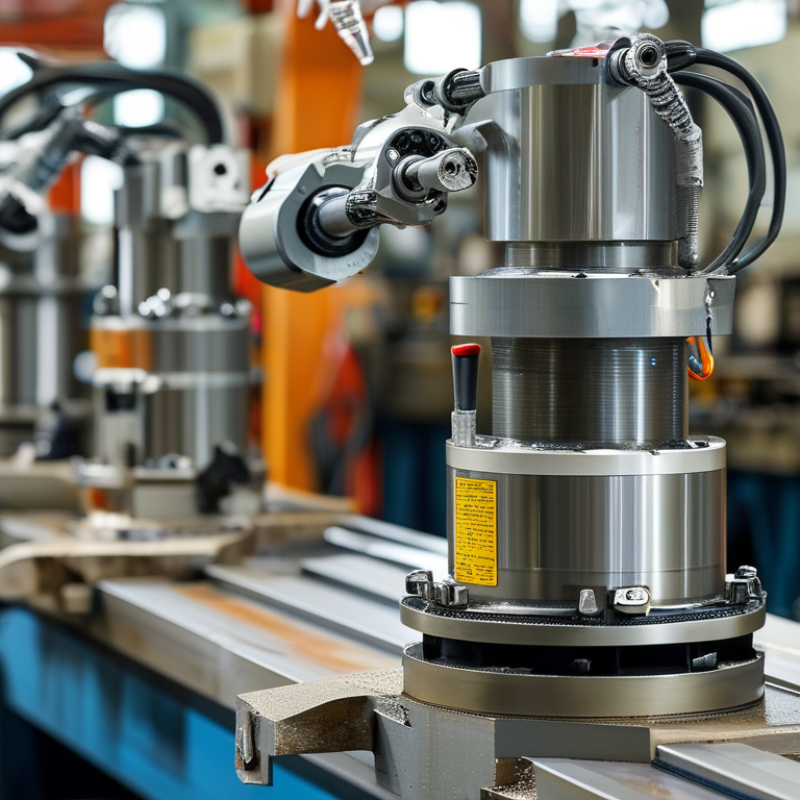
CNC electric tube benders have revolutionized the manufacturing industry. Their precision and efficiency are unmatched. The integration of advanced technologies has allowed for tighter tolerances and faster production times. According to a report by Technavio, the global market for CNC tube bending machines is expected to grow by over 5% annually through 2026. This trend reflects a growing demand for automation and high-quality outputs.
Key features of CNC electric tube benders include their adaptability to various bending specifications and ease of programming. Many models now utilize software that provides real-time data feedback. This enhances the operator's ability to make immediate adjustments. Furthermore, electric systems are generally more energy-efficient than hydraulic ones, contributing to lower operational costs. A recent study by ResearchAndMarkets indicates that energy efficiency can improve by as much as 30% in electric benders compared to traditional methods.
While CNC technology offers numerous benefits, operators must remain cautious. Complexity in setup can lead to errors if not properly managed. Additionally, ensuring regular maintenance is crucial for consistent performance. Overlooking these aspects may result in reduced machine life and increased downtime. Hence, investing in training and reliable support systems can significantly mitigate risks.
Market Trends in CNC Electric Tube Bender Sales and Manufacturing
CNC electric tube benders are increasingly important in manufacturing. The market is evolving rapidly. Sales have seen a significant rise over recent years. Companies are investing in advanced technologies to improve efficiency. This trend reflects the growing demand for precision in metal forming.
Many manufacturers are focusing on automation and precision tools. This shift allows for quicker production times and enhanced accuracy. Some face challenges in integrating new technologies. Skilled labor shortages also play a role in limiting growth. Additionally, the rising cost of raw materials impacts pricing strategies.
Global buyers are now looking for reliable suppliers. Transparency in production processes is key. Businesses must establish trust through quality assurance. Effective communication about capabilities and timelines will become essential. The dynamic nature of the market requires ongoing adaptation and improvement from manufacturers.
CNC Electric Tube Bender Market Trends
Critical Factors for Selecting the Right CNC Electric Tube Bender
When selecting a CNC electric tube bender, several critical factors come into play. It's essential to analyze the bending capacity, which heavily influences the applications you can execute. For instance, a study by the International Tube Association indicates that machines with a bending capacity of over 50 mm diameter are preferred for industrial applications. This statistic highlights the industry's demand for versatile machines that can accommodate larger diameters.
Precision is another determining factor. The accuracy of bends directly impacts the quality of the final product. Research shows that CNC machines can achieve tolerances of ±0.1 mm. This precision is vital in industries such as automotive and aerospace, where every millimeter counts. However, one must consider that achieving such high precision often requires expertise in programming and operation. Operators must be trained to manage the intricacies of the software.
Additionally, the level of automation in tube benders is crucial. Fully automated machines not only enhance efficiency but also reduce the potential for human error. However, a report by the Manufacturing Technology Association found that a significant percentage of small businesses still hesitate to invest in automation due to high upfront costs. This hesitation can lead to operational challenges in the long run. Balancing automation with budget constraints remains a challenge worth reflecting upon.
Comparative Analysis of Leading CNC Electric Tube Bender Brands
When considering the purchase of a CNC electric tube bender, it's crucial to analyze leading brands in the market. According to recent industry reports, the global CNC tube bending machine market is projected to reach $6.5 billion by 2026, with an annual growth rate of 4.5%. This data reflects the increasing demand for precision and efficiency in manufacturing processes.
Key attributes differentiate top brands from others. For instance, the accuracy of bend angles is often cited as a critical factor. Many well-regarded manufacturers achieve tolerances within ±0.5 degrees, which is essential for aerospace and automotive applications. Additionally, the range of materials that machines can handle varies significantly. Some brands cater exclusively to stainless steel, while others include options for aluminum and copper, showcasing versatility.
However, not all machines meet the expectations set by their manufacturers. Some users report difficulties with software integration and training. This highlights the importance of assessing the learning curve associated with new equipment. Buyers should prioritize customer support and service accessibility. Investing in a reliable brand is not solely about the machine's specifications; it's equally about the long-term value and support it offers.
Investment and ROI: Evaluating CNC Electric Tube Bender Costs and Benefits
When considering a CNC electric tube bender, it's essential to evaluate the investment and potential return on investment (ROI). The initial purchase cost can be significant, influenced by factors like the machine's capabilities, brand reputation, and additional features. Buyers often overlook the long-term benefits that a quality bender can provide. A lower-priced option might save money upfront, but could lead to higher operational costs over time.
Operational efficiency is a crucial aspect of ROI. A CNC electric tube bender can enhance productivity and reduce waste. Many buyers find that increased precision leads to fewer errors, which saves both time and material. However, training staff to effectively operate the machine adds to the cost. A detailed assessment of labor costs is often underestimated. In some cases, businesses discover that past investments in manual bending processes hinder their growth potential.
While the analysis of costs and benefits can seem straightforward, it can be complex. Factors like maintenance, energy consumption, and long-term part availability play a vital role. A single miscalculation in expected ROI can impact your business strategy. Reflecting on past equipment decisions helps in making more informed choices. Therefore, it's crucial to approach this investment with comprehensive research and careful planning.
CNC Electric Tube Bender Buying Guide for Global Buyers - Investment and ROI
| Feature | Description | Estimated Cost (USD) | Potential ROI (%) |
| Machine Type | CNC Electric Tube Bender | $30,000 | 25% |
| Maintenance Cost | Annual maintenance and repairs | $2,000 | N/A |
| Energy Consumption | Electricity cost per month | $500 | N/A |
| Production Efficiency | Units produced per hour | 200 units | N/A |
| Breakeven Point | Time to recover initial investment | 18 months | N/A |