Class B Autoclave Tips for Efficient Sterilization Process?
In the world of medical and laboratory settings, the Class B Autoclave plays a crucial role in ensuring proper sterilization. This type of autoclave is specifically designed for high-level sterilization and can effectively eliminate pathogens from various instruments. Understanding its operational nuances is vital for professionals committed to maintaining safety and hygiene in their work environment.
Efficient use of a Class B Autoclave requires more than just following instructions. It involves a deep understanding of its mechanisms and the materials being sterilized. Inadequate settings or improper loading can lead to under-sterilization, posing risks to patient safety. Regular maintenance and calibration are essential to uphold its reliability and effectiveness.
Knowledge of sterilization cycles and parameters is critical. Users should be well-informed about temperature and pressure settings. Small oversights can have significant implications. Thoughtful reflection and attention to detail can enhance the sterilization process. By mastering the intricacies of the Class B Autoclave, professionals can ensure a higher standard of care and safety in their practices.
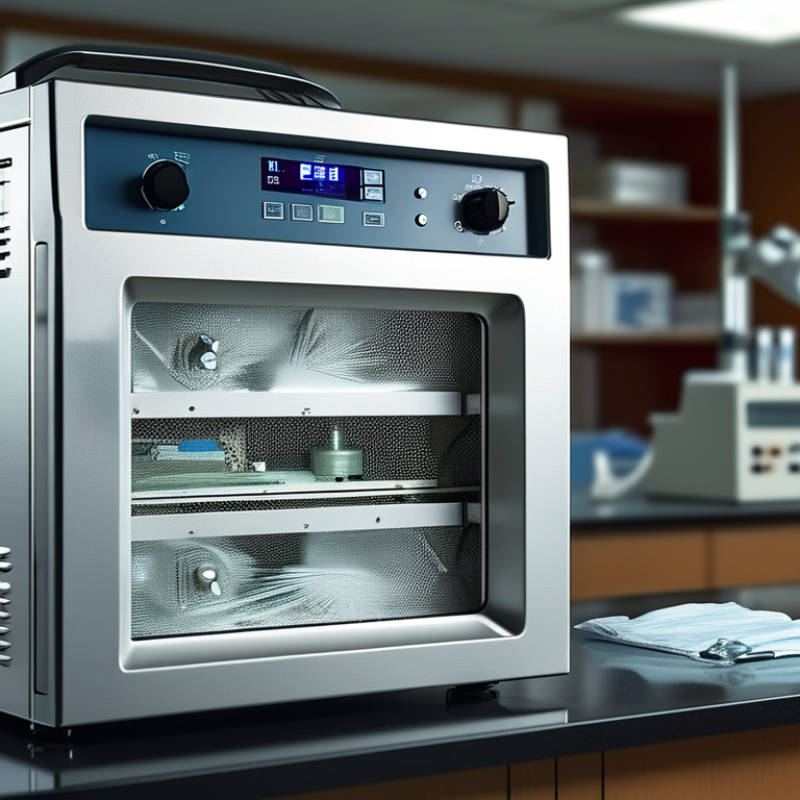
Understanding Class B Autoclaves: Definition and Functionality
Class B autoclaves are widely recognized for their crucial role in achieving effective sterilization. They are designed to ensure the destruction of all forms of microorganisms. Class B autoclaves function by utilizing high-pressure steam, typically reaching temperatures between 121°C to 134°C. This process ensures that even the most resistant spores are eliminated. According to industry reports, an optimal sterilization cycle can reduce microbial presence by over 99.9%.
The versatility of Class B autoclaves makes them suitable for various applications. They can sterilize surgical instruments, implants, and even liquids. However, achieving the desired sterility requires precise parameters, including time, temperature, and pressure. A common oversight is neglecting to monitor these variables closely. Inadequate steam penetration can lead to ineffective sterilization. Regular validation of each cycle is essential, as improper settings can compromise patient safety.
Reliable data supports the efficacy of Class B autoclaves, indicating that with proper training and maintenance, healthcare facilities can significantly reduce infection rates. A recent study highlighted that facilities using Class B autoclaves reported an infection rate decrease of approximately 30%. Continuous education and adherence to best practices are vital for maintaining this level of reliability.
Class B Autoclave Efficiency Metrics
This bar chart illustrates key efficiency metrics for Class B autoclaves, including cycle time, operating temperature, pressure, load capacity, and energy consumption. These metrics are crucial for optimizing the sterilization process in medical and laboratory settings.
Key Factors Influencing Sterilization Efficacy in Class B Autoclaves
When it comes to Class B autoclaves, several key factors influence their sterilization efficacy. One significant aspect is the load configuration. Proper arrangement within the chamber is crucial. Overcrowding or uneven placement can lead to inadequate steam penetration, reducing sterilization efficiency. Always ensure that packages are not tightly packed. This allows for optimal steam circulation.
Another critical element is the choice of cycle parameters. Different materials and loads require tailored settings. The temperature and pressure must be appropriate for the items being sterilized. For instance, certain textiles might need longer cycles to ensure complete sterilization. Pay attention to these specifics to avoid incomplete sterilization, which could compromise safety.
Monitoring the vacuum level before the sterilization cycle is essential. It directly affects the steam's ability to contact and penetrate the load. Insufficient vacuum can result in moisture remaining on instruments. This prompts reflection on routine maintenance. Regular checks of vacuum pump performance can prevent issues that stem from neglect. Proper training for operators also plays a role in the effectiveness of the sterilization process. Ensure that staff are educated about these variables to maintain high standards in sterilization practices.
Best Practices for Loading and Operating Class B Autoclaves
Loading and operating a Class B autoclave requires careful attention to detail. Proper loading is crucial for efficient sterilization. Always ensure that instruments are arranged to allow steam to circulate freely. Avoid overcrowding the chamber, as this can prevent adequate steam penetration. Instruments should be positioned with their tips pointing downward to enhance drainage of condensate. Use sterilization containers and pouches designed for autoclaves to further improve outcomes.
When operating the autoclave, monitor key parameters like temperature and pressure. Familiarize yourself with the specific cycles suitable for different loads. Some materials may require longer exposure times. Regularly check the autoclave’s validation and calibration status. Remember, unexpected variations can affect sterilization results. Run a biological indicator test periodically to verify effectiveness.
Consider that even experienced users may overlook basic practices, leading to inconsistencies. It’s essential to reflect on each cycle’s results and make adjustments as needed. Document your processes to help identify trends over time. Continuous education on autoclave use can enhance reliability and efficiency. Always strive for improvement in your sterilization protocols.
Monitoring and Validation Techniques for Sterilization Processes
Monitoring and validation are critical in ensuring the effectiveness of Class B autoclave sterilization processes. To achieve reliable results, facilities often utilize biological indicators and chemical indicators. Biological indicators contain live spores that confirm sterility once the autoclave cycle has completed. Chemical indicators change color or appearance when proper conditions are met, acting as an initial check.
Regular calibration of autoclaves enhances confidence in the process. Calibration ensures that temperature and pressure readings are accurate. Routine maintenance is necessary to prevent mechanical failures that could impact sterilization. Facilities should keep detailed logs of all calibration and maintenance activities. These records help in identifying patterns that may need further analysis.
However, even with robust systems, errors can occur. Operators should be aware of the common pitfalls. For example, improper loading can lead to uneven steam penetration. Regular training for staff can aid in reducing mistakes. Continuous evaluation of procedures allows for adjustments, improving overall effectiveness and reliability in sterilization practices.
Class B Autoclave Tips for Efficient Sterilization Process
| Parameter | Recommended Value | Monitoring Technique | Validation Method |
| Temperature | 121°C | Thermocouples | Biological Indicators |
| Pressure | 2.0 bar | Pressure Gauges | Chemical Indicators |
| Cycle Time | 30 minutes | Digital Timers | Process Challenge Devices |
| Cooling Time | 15 minutes | Cooling Charts | Validation Protocols |
| Load Configuration | Even Distribution | Load Sensors | Load Pattern Validation |
Common Issues and Solutions in Class B Autoclave Sterilization
Class B autoclaves are essential in many healthcare settings. However, operators frequently face common issues that can hinder the sterilization process. One significant problem is inadequate steam penetration. This can occur if the load is too dense or improperly arranged. Ensuring instruments are correctly placed is crucial for effective sterilization. Avoid overcrowding, as this can create areas of trapped air, leading to failed cycles.
Another challenge is the presence of residual moisture after a cycle. This might indicate that the drying phase was insufficient. To resolve this, operators should periodically evaluate the drying settings. Using sterilization indicators can help ensure proper conditions were met. In addition, regularly maintaining the autoclave equipment contributes to reliable performance. It's essential to document and analyze any recurring issues. Fostering a culture of reflection can enhance operational standards.
Finally, understanding load requirements is vital. Overloading the chamber can lead to ineffective sterilization. Each item needs space for steam circulation. Training staff on these fundamentals can prevent wasted time and resources. Emphasizing these details can improve overall efficiency in the sterilization process. Staying informed and proactive can help mitigate potential issues.