How to Choose the Best Tile Cutting Blades for Your Projects?
Choosing the right Tile Cutting Blades is essential for any tile installation project. According to a report by the Tile Council of North America, improper blade selection can lead to increased material waste and project delays. Tile cutting blades come in various types and materials, each suited for specific tile types. Understanding these nuances is crucial for achieving precision and quality in your work.
In recent years, the demand for high-quality tile cutting blades has surged, with an estimated 25% increase in the market. This trend is influenced by the rise in home renovations and the need for professional-grade tools. However, many users still make mistakes in blade selection, leading to poor results. A common oversight is choosing a blade that lacks the right specifications for the tile material, whether it’s porcelain, ceramic, or glass.
Selecting tile cutting blades requires both knowledge and experience. It is not just about price but understanding the blade's features. Professionals recommend testing different blades on various materials. The right blade can significantly enhance cutting efficiency and finish quality. Mistakes in this choice can be costly, highlighting the importance of informed decision-making.
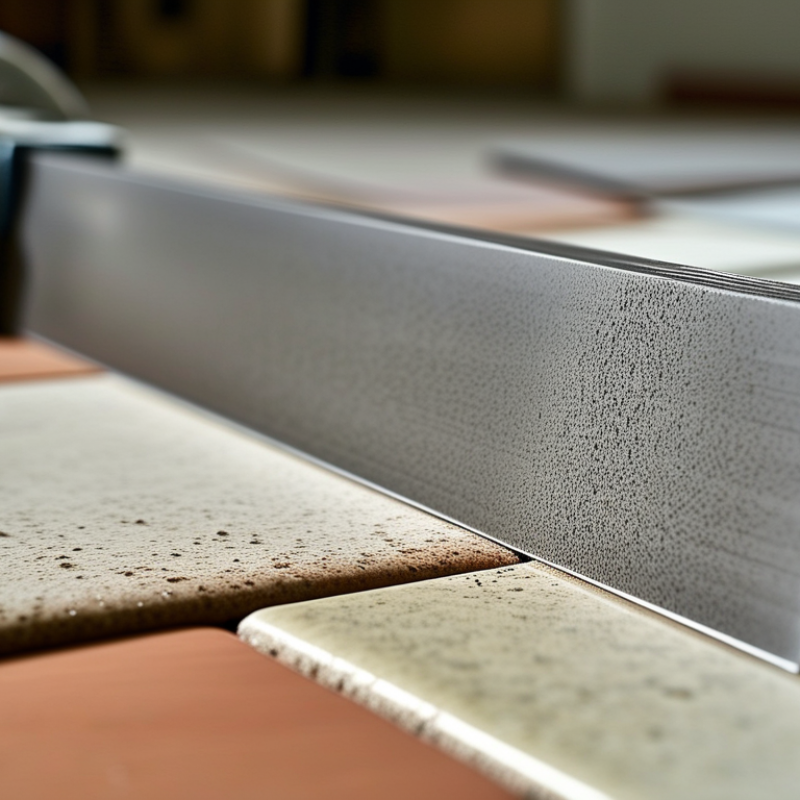
Understanding the Different Types of Tile Cutting Blades
Choosing the right tile cutting blade can significantly affect the quality of your work. There are several types available, each suited for different materials. Diamond blades are among the most popular due to their durability and efficiency. Reports indicate that diamond blades can last up to 100 times longer than standard steel blades, making them a worthwhile investment for frequent users.
Porcelain tiles require a specialized blade designed for harder surfaces. A high-quality porcelain blade can reduce chipping and ensure cleaner cuts. According to industry insights, a significant 70% of professionals recommend using a continuous rim blade for porcelain to achieve smoother edges. These blades have an uninterrupted edge, reducing the risk of cracks while cutting.
There are also specialized blades for ceramic and glass tiles. For ceramic, a segmented diamond blade can work effectively, while glass tiles demand a blade with a fine tooth. This choice is less forgiving; using the wrong blade can lead to costly mistakes. Proper understanding of these options ensures informed decision-making and can enhance project outcomes significantly.
Key Factors to Consider When Choosing Tile Cutting Blades
When selecting tile cutting blades, several key factors come into play. Material is paramount. Different blades suit various tile types. For instance, porcelain tiles require diamond blades for efficient cutting. Conversely, softer materials like ceramic allow for lesser blades. Assessing the tile's hardness can greatly impact the quality of your cuts.
Next, the blade's diameter matters. A larger diameter facilitates deeper cuts, making it suitable for thicker tiles. However, handling larger blades can be challenging. Your personal comfort and experience with tools should guide your choice. Performance varies based on the equipment you use as well. Not all blades perform well with every cutting machine.
Lastly, consider the blade thickness. Thicker blades are more durable but can create wider cuts. A balance is necessary; overly thick blades might lead to issues with precision. Reflecting on past experiences can help inform your decision. Every project brings unique challenges. Choose wisely to enhance your results.
Evaluating Blade Materials for Optimal Performance
Choosing the right tile cutting blades can significantly impact the quality of your projects. Blade materials play a critical role in performance. Common materials include diamond, carbide, and steel. Each offers unique advantages depending on the tiles being cut.
Diamond blades are renowned for their durability. They perform exceptionally well with hard materials like porcelain. This is due to the diamond particles embedded in the blade. However, they can be more expensive and may not be necessary for softer tiles. Carbide blades provide a cost-effective alternative. They are good for materials like ceramic or mosaic tiles. Yet, they may not last as long under heavy use.
Steel blades, while the least expensive, are typically less efficient. They struggle with tougher materials and can wear down quickly. A mix of these materials can sometimes enhance performance. Reflect on the types of tiles you will work with. Understanding the material properties can guide your choice effectively. Balancing cost and performance is often a challenge. The right blade can make a noticeable difference in your cutting experience.
Match the Blade Type to Your Tile Material
When selecting tile cutting blades, matching the blade type to your tile material is crucial. Different materials require specialized blades for optimal results. For ceramic tiles, diamond blades work best, providing clean cuts due to their hardness. A study by the Tile Council of North America highlights that using the wrong blade can lead to chipping or cracking, wasting both time and resources.
Porcelain tiles, on the other hand, demand blades specifically designed for their density and toughness. These blades usually possess a finer diamond grit. According to recent industry reports, 70% of professionals recommend investing in premium blades for porcelain to prevent common issues like excessive wear and tear. Using inappropriate blades can compromise the integrity of the tile, leading to uneven cut edges and increased installation costs.
Natural stone tiles present another challenge. For these, blades with a continuous rim are advisable, as they reduce chipping and provide smoother finishes. Data indicates that about 60% of DIY enthusiasts often overlook blade compatibility. This oversight can turn simple projects into frustrating experiences. It’s essential to consider blade features to ensure efficiency and achieve high-quality results. Choosing the right blade is not just a detail; it significantly impacts the overall success of your project.
How to Choose the Best Tile Cutting Blades for Your Projects? - Match the Blade Type to Your Tile Material
| Tile Material | Recommended Blade Type | Blade Features | Best Use Case |
| Ceramic | Diamond Blade | Continuous rim for smooth cuts | Cutting floor and wall tiles |
| Porcelain | Turbo Diamond Blade | Aggressive cutting, better cooling | Cutting dense porcelain tiles |
| Glass | Wet Diamond Blade | Smooth finish, reduces chipping | Cutting glass tiles and mosaics |
| Natural Stone | Segmented Diamond Blade | Effective on harder materials | Cutting granite and marble |
| Vinyl | Multi-Purpose Blade | Versatile and cost-effective | Cutting vinyl tiles and flooring |
Tips for Maintaining and Extending Tile Cutting Blade Life
Maintaining your tile cutting blades can significantly impact their performance. A well-cared-for blade lasts longer and cuts more efficiently. Dirty blades can lead to poor cuts and increased breakage. Regular cleaning can prevent debris from accumulating. Simple soap and water or a dedicated cleaner will do the job.
To extend the life of your blades, avoid using excessive pressure during cutting. This can cause overheating and damage. Allow the blade to do the work. Using the right blade for the specific type of tile is also crucial. Different materials require different blade compositions.
Check the alignment of your cutting tool frequently. Misalignment can lead to uneven cuts, increasing wear on the blade. Store blades properly to avoid damage. Keeping them in a dry, clean area can prevent rust and deterioration. Regular inspection will help identify any damage early, ensuring better performance and longevity.
Tile Cutting Blade Performance Comparison