How to Choose the Best PCB Board for Your Project?
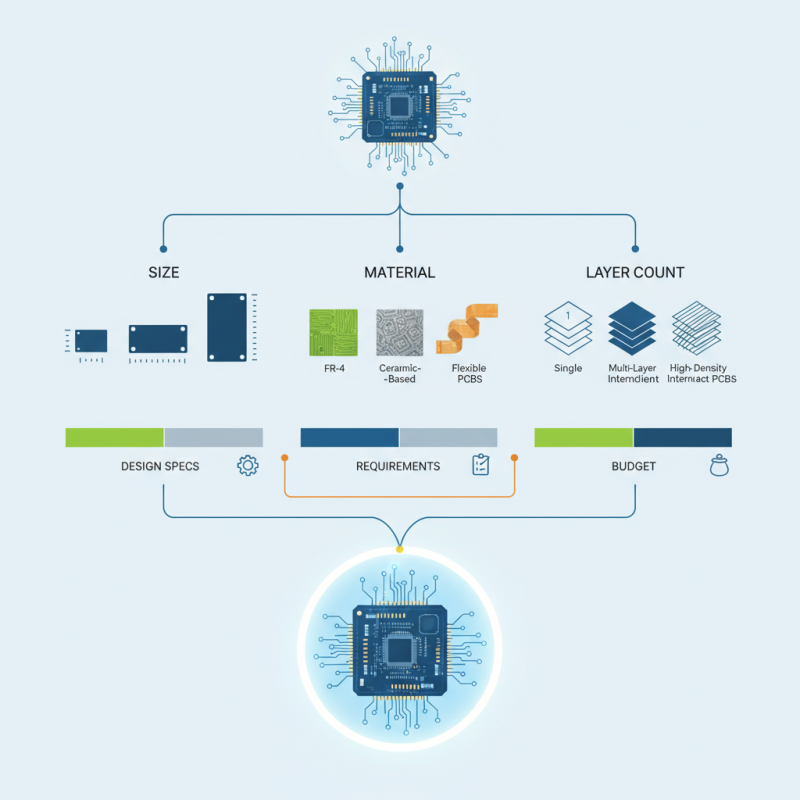
Choosing the right Pcb Board for your project can be challenging. The decision impacts performance and functionality. Many factors can affect your choice, including size, material, and layer count.
Understanding these components can enhance your project's success. A well-chosen PCB board can streamline production and reduce issues. Poor choices may lead to inefficiencies and higher costs, highlighting the importance of careful selection.
In this guide, we will explore how to assess your specific needs. By evaluating design specifications, project requirements, and budget constraints, you can make an informed decision. Remember, a PCB board is the backbone of your project; its choice should not be taken lightly.
Understanding the Basics of PCB Boards for Your Project
Printed Circuit Boards (PCBs) form the backbone of modern electronic devices. Understanding the fundamentals is crucial for selecting the right board for any project. A PCB connects multiple components through conductive paths. These paths are designed based on the circuit function. Knowing the layout and design principles is essential.
There are different types of PCBs, such as single-layer, double-layer, and multi-layer boards. Each type serves different needs. Single-layer boards are simpler and cheaper, making them great for basic projects. Multi-layer boards are complex but necessary for advanced applications. Material choice also matters. FR-4 is the most common, but specialized materials can enhance performance.
It's important to reflect on your project requirements. What are the size constraints? How complex is the circuit? These questions guide the selection process. Moreover, not all boards perform equally under stress. Testing and validation should not be overlooked. A board that looks good on paper might fail in real-world conditions. Strive for a balance between cost and performance for a successful project.
Identifying Your Project's Requirements and Specifications
When selecting a PCB board for your project, start by clearly identifying your requirements. Understand the electrical specifications such as voltage and current needs. Consider the environmental factors too. Will the board face high temperatures or moisture?
Tips: Always assess the compatibility of components. Some parts may not integrate well with specific board types. This can lead to failure later.
Size matters. Define your board layout based on space constraints. A well-planned design can save you time and resources. Sketch out the dimensions and components before finalizing the PCB specifications.
Tips: Avoid overcrowding. Too many components can complicate the design and lead to errors. It’s better to leave space for adjustments.
Power and signal integrity are crucial. Ensure that your PCB can handle the required frequencies without interference. Pay attention to the layout to minimize noise. This detail can significantly impact performance.
Tips: Review your design multiple times. Mistakes can hide in plain sight. A thorough check will save you from costly redesigns down the line.
Exploring Different Types of PCB Materials and Their Benefits
When selecting PCB materials, it's crucial to understand the benefits of different types. FR-4 is the most common, known for its versatility and moderate cost. It consists of woven fiberglass and epoxy resin. This combination offers excellent electrical insulation and mechanical strength. However, its thermal performance may not suit high-temperature applications.
Another popular option is polyimide. This material is ideal for flexible circuit boards. It can withstand extreme temperatures and bends without compromising performance. For high-frequency applications, using PTFE might be more beneficial. This material has low dielectric constant and loss. Yet, it can be more expensive and harder to process.
Choosing the right material involves assessing your project's unique requirements. Consider thermal conductivity, flexibility, and the environment. You may feel overwhelmed. However, understanding these details can lead you to a well-informed decision. Don't overlook the physical limitations of each material. Reflect on how these choices align with your design goals.
Evaluating Manufacturing Processes and Costs for PCBs
When evaluating manufacturing processes for printed circuit boards (PCBs), cost and quality must be balanced. According to industry reports, the average cost of a standard PCB is around $2-$5 per square inch. This figure can fluctuate based on complexity, materials, and production volume. Low-volume and prototype runs often incur higher costs due to setup and design fees. Therefore, it's crucial to assess your project's specific needs.
Manufacturing processes vary significantly. Techniques like surface mount technology (SMT) offer high-speed assembly and precision, ideal for mass production. Conversely, through-hole assembly may be preferred for low-volume, high-reliability applications. Research shows that about 30% of PCB manufacturers struggle with design errors leading to increased costs. A thorough design review can mitigate this risk.
Material selection also plays a key role. High-frequency applications often require specialized substrates, which can raise costs significantly. Reports indicate that nearly 40% of PCB failures result from poor material choices. Understanding these variables helps in choosing the right PCB tailored to your project’s requirements while maintaining budget efficiency.
Selecting the Right PCB Manufacturer for Quality and Reliability
When selecting a PCB manufacturer, quality and reliability should be top priorities. The manufacturing process involves many steps, and each one affects the final product. Check their production capabilities. Are they using advanced technology? High-quality equipment often means better outcomes.
Look for manufacturers with experience in your specific industry. They should understand the nuances of your project. Ask for case studies or references. A dependable manufacturer should have a track record of meeting deadlines and maintaining communication. Reliability isn’t just about meeting specs; it’s about consistency over time.
Pay attention to certifications. A manufacturer with relevant quality certifications often indicates their commitment to standards. It's crucial to inquire about their testing procedures. Are they thorough and transparent? Sometimes, the lowest price might compromise quality. This is a key aspect to consider when making your choice. Small mistakes in PCB production can lead to significant project delays. Be mindful of how they handle quality assurance and customer feedback.
How to Choose the Best PCB Board for Your Project?
| Feature | Description | Importance |
| Material Type | FR-4, CEM-1, High-Frequency, etc. | High |
| Layer Count | Single-sided, Double-sided, Multi-layer | Medium |
| Board Thickness | Standard thickness choices (1.6mm, 1.2mm, etc.) | High |
| Copper Weight | 1 oz, 2 oz, etc. | Medium |
| Surface Finish | HASL, ENIG, OSP, etc. | High |
| Impedance Control | Required for high-speed designs | High |
| Prototype vs Production | Consideration of batch size and cost | Medium |
| Manufacturer Reliability | Check reviews and ratings | High |