
Quality Products
At a Fair Price
Wholesale Provider
Of Valves & Fittings
- HOME
- Products
- Ball Valves
- Bull Plugs & Swages
- Butterfly Valves
- Check Valves
- Cushion / Flow Tees & Bleed Rings
- Enhanced Oil Recovery
- Floating Ball Valves
- Foot Valves
- Forged Steel Fittings
- Forged Steel Outlets
- Gaskets-Insulation Kits
- Gate Valves
- Gate, Globe & Check Valves
- Malleable Fittings
- Needle Valves
- Nipples
- Piston Valves
- Plug Valves
- Stainless Steel Flanges, Fittings & Nipples
- Strainers
- Studs
- Trunnion
- Unions
- Weld Fittings & Flanges
- Manufacturers
- Advance
- American Block
- Anvil
- Balon
- Bonney Forge
- Champion
- Clayton Mark
- Crane
- Daniel
- DMIC
- GMI
- Galli & Cassina
- Hackney-Ladish
- JMC
- Lone Star
- MATCO
- Marpac-McCanna
- National Flange
- National Gasket
- Nordstrom
- Nutron
- PPI
- SHARPE
- SMI
- TEXSTEAM
- TEX-THREAD
- Titan
- USA Fastner
- Vogt
- Weld Bend
- Westbrook
- Wheatley
- Williams
- WKM
- Wolar
- Locations
- Contact
- Blog
- Careers
- Get a Quote
- HOME
- Products
- Ball Valves
- Bull Plugs & Swages
- Butterfly Valves
- Check Valves
- Cushion / Flow Tees & Bleed Rings
- Enhanced Oil Recovery
- Floating Ball Valves
- Foot Valves
- Forged Steel Fittings
- Forged Steel Outlets
- Gaskets-Insulation Kits
- Gate Valves
- Gate, Globe & Check Valves
- Malleable Fittings
- Needle Valves
- Nipples
- Piston Valves
- Plug Valves
- Stainless Steel Flanges, Fittings & Nipples
- Strainers
- Studs
- Trunnion
- Unions
- Weld Fittings & Flanges
- Manufacturers
- Advance
- American Block
- Anvil
- Balon
- Bonney Forge
- Champion
- Clayton Mark
- Crane
- Daniel
- DMIC
- GMI
- Galli & Cassina
- Hackney-Ladish
- JMC
- Lone Star
- MATCO
- Marpac-McCanna
- National Flange
- National Gasket
- Nordstrom
- Nutron
- PPI
- SHARPE
- SMI
- TEXSTEAM
- TEX-THREAD
- Titan
- USA Fastner
- Vogt
- Weld Bend
- Westbrook
- Wheatley
- Williams
- WKM
- Wolar
- Locations
- Contact
- About
- Careers
- Get a Quote
How to Choose the Best Oil Friction Tester for Your Needs?
In the world of tribology, selecting the right Oil Friction Tester is crucial. With the right equipment, you can significantly enhance your lubrication analysis. Various studies indicate that improper tests can lead to misinformed decisions. According to a report by the National Lubricating Grease Institute, 70% of lubrication failures stem from inadequate product testing.
Industry expert Dr. James R. Patterson emphasizes, “Choosing the right Oil Friction Tester is fundamental in predicting performance and longevity of lubricants.” The tester you select can impact product quality and machine reliability. Key factors include accuracy, ease of use, and the range of conditions it can simulate.
Nonetheless, the market is flooded with options. Not every tester suits every application. Some choices might lack reliability in extreme conditions. It’s a challenge to find equipment that perfectly meets your needs. Careful consideration is essential. Your choice can affect operational costs and equipment lifespan. Proceed with caution and thorough research to ensure optimal results.
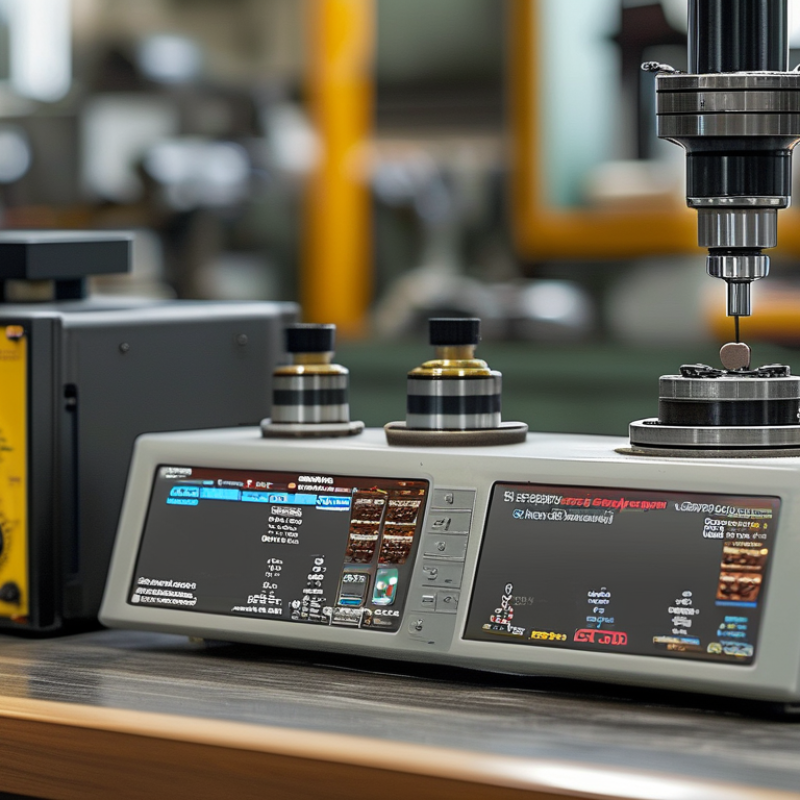
Understanding Oil Friction Testers and Their Importance
Oil friction testers are essential tools in various industries. They help measure the frictional properties of lubricants. Understanding how these testers work can improve product performance and longevity.
These testers simulate real-life conditions. They assess how a lubricant behaves under different temperatures and pressures. By measuring friction coefficients, manufacturers can make informed decisions. Accurate tests lead to better formulations. However, not all testers provide reliable data. Rigorous validation is necessary.
Choosing the right oil friction tester requires careful consideration. Factors like testing capacity and accuracy should be prioritized. It's important to evaluate whether the device meets industry standards. Some testers may not be user-friendly or easy to calibrate. Make sure to read reviews and seek industry expertise. This ensures you invest in a reliable and effective solution for your applications.
Key Features to Consider When Choosing an Oil Friction Tester
When selecting an oil friction tester, several key features should be at the forefront of your mind. First, consider the tester's range of measurement. A good tester can accurately measure various viscosity levels. This flexibility is crucial for testing different oil types. Look for models that can handle both low and high viscosity oils.
Another important factor is the ease of use. A user-friendly interface can make a significant difference. If the controls are intuitive, operators can perform tests more efficiently. Pay attention to the display as well. Clear readings help to interpret results without confusion.
Durability is also essential. Testers regularly exposed to oil can wear down. A robust design can ensure longevity and reliability. Consider how often you’ll use the tester and in what conditions. More frequent use in tough environments may require a more rugged solution. These details matter. They can impact testing outcomes and operational efficiencies.
Different Types of Oil Friction Testers Available in the Market
When selecting an oil friction tester, it’s crucial to understand the various types available. Oil friction testers can be broadly categorized into two main types: laboratory testers and portable testers. Laboratory testers offer high precision and control, making them suitable for research and development settings. These devices often feature advanced controls, enabling detailed analysis of friction characteristics under controlled conditions.
On the other hand, portable testers are designed for field applications. They provide fast measurements and are user-friendly. According to recent industry reports, portable testers have gained popularity due to their versatility and ease of use. Companies find them invaluable for quick assessments, especially when time is a constraint. Interestingly, nearly 65% of operators prefer portable units for regular testing routines.
Each type has distinct advantages. For instance, laboratory testers are generally more accurate, which is crucial for applications needing stringent quality control. However, they require more resources and time to operate, potentially leading to inefficiencies. Portable testers may not offer the same precision, but they allow for rapid decision-making in dynamic environments. Choosing the right tester ultimately depends on specific testing needs and operational priorities. Reported data highlights that the right choice can enhance overall operational efficiency significantly.
How to Choose the Best Oil Friction Tester for Your Needs?
| Type of Tester | Measurement Range | Accuracy | Features | Typical Applications |
|---|---|---|---|---|
| Capillary Viscometer | 0.5 to 100 cP | ±1% | Compact size, easy to use | Lubricant testing, oil quality assessment |
| Robotic Friction Tester | 0.1 to 10 N | ±0.5% | Automated measurements, data logging | Industry research, product development |
| Friction and Wear Tester | 0.5 to 5 N | ±2% | Long-term testing, adjustable speed | Tribological studies, engine testing |
| Dynamic Friction Tester | 1 to 100 N | ±0.3% | Real-time results, user-friendly interface | Material testing, validation of lubricants |
| Coefficient of Friction Tester | 0 to 1.5 | ±1.5% | Multiple tests, portable design | Packaging materials, automotive components |
Evaluating the Accuracy and Reliability of Oil Friction Testers
When selecting an oil friction tester, accuracy and reliability are paramount. A study by the ASTM found that testing variability can exceed 20% when using subpar equipment. This variation can lead to significant discrepancies in performance assessments. Accurate friction measurements are vital in industries ranging from automotive to manufacturing.
Look for testers that align with industry standards like ASTM D3244. This standard evaluates the precision of friction testers. Tools must undergo stringent calibration to ensure consistent results. A reliable tester should also offer transparent data reporting. A professional report highlights variations, helping users identify areas for improvement.
It's essential to recognize that no testing apparatus is infallible. Even the best oil friction testers may yield unexpected results under varying conditions. Thus, it's crucial to regularly re-evaluate the testing protocols to minimize errors. Continuous improvement in testing accuracy is necessary to maintain quality and performance in oil-based products.
Oil Friction Tester Accuracy and Reliability Evaluation
Budget Considerations and Manufacturer Reputation in Your Choice
When choosing an oil friction tester, budget is a significant factor. Quality testers can vary widely in price. Setting a budget helps narrow down options. However, be cautious. A lower price does not always mean lower quality. Sometimes, more expensive models offer better accuracy and durability. Weigh your options carefully.
Manufacturer reputation also plays a crucial role. Established brands often have a history of reliability. Researching customer reviews and expert opinions is essential. Newer or less-known brands might offer attractive pricing but lack a proven track record. Look for manufacturers with certifications and industry recognition. This can enhance your confidence in your choice.
Consider your specific needs within your budget. What features are non-negotiable? Prioritize those. Take your time to compare different models. Reflect on your findings. This process helps ensure you’re investing wisely. Balancing cost and reputation will lead to a more satisfying purchase.
